Digital workflows promise efficiency, speed, and better collaboration. Yet, many businesses overlook a critical factor that directly impacts these outcomes—document management. When files are scattered, poorly organized, or difficult to access, even the most advanced systems fail to deliver expected results. Teams spend more time searching, reformatting, and verifying documents instead of focusing on meaningful work.
As organizations grow and adopt multiple tools, document complexity increases. Without a structured approach, inefficiencies quietly accumulate. These hidden costs affect productivity, communication, and overall business performance. Understanding where these issues arise is the first step toward building more effective digital workflows.
Poor document management rarely starts as a major issue. It develops gradually as teams create, share, and store files across different platforms. Over time, duplicate files, inconsistent naming conventions, and outdated versions create confusion. Employees struggle to find the correct document, leading to delays and unnecessary back-and-forth communication.
This problem becomes more noticeable in remote or distributed teams. When information is not centralized, collaboration slows down. Employees rely on outdated documents or spend extra time verifying information. These small inefficiencies accumulate, affecting project timelines and team performance.
A structured system helps prevent these issues. Centralized storage, clear version control, and standardized processes ensure that documents remain accessible and reliable. Without these elements, businesses continue to lose time and resources without realizing the full extent of the problem.
One of the most immediate consequences of poor document management is time loss. Employees often spend significant portions of their day searching for files, recreating missing documents, or correcting errors caused by outdated information. These interruptions break workflow momentum and reduce overall productivity.
Inconsistent document formats also create friction. Teams working across departments may use different file types, requiring frequent conversions and adjustments. This adds unnecessary steps to otherwise simple processes.
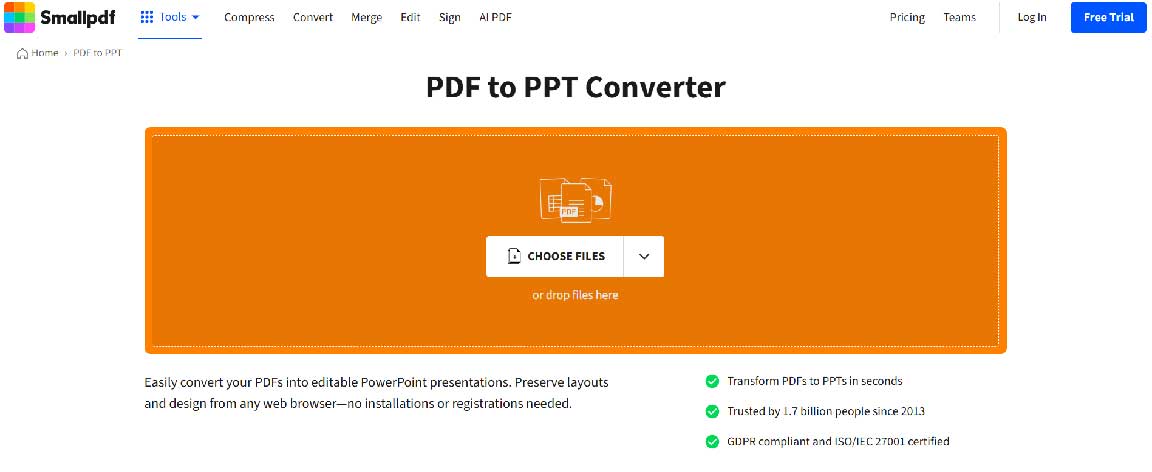
Using tools that simplify these tasks can significantly improve efficiency. For example, teams that need to present data often rely on solutions that allow them to convert PDF to PPT with Smallpdf. This reduces manual reformatting and ensures consistency across presentations. When document handling becomes seamless, teams can focus on delivering results rather than managing files.
Streamlining document-related tasks is essential for maintaining efficiency. Many workflows involve repetitive actions such as editing, formatting, and sharing files. When these processes are not optimized, they create friction that slows down operations.
Simple improvements can make a noticeable difference. Automating document conversions, standardizing templates, and integrating tools into existing workflows help reduce manual effort. Teams that consistently use efficient solutions eliminate unnecessary steps and improve turnaround times.
These small adjustments contribute to a smoother workflow. Employees spend less time managing documents and more time focusing on strategic tasks. Over time, this leads to improved productivity and better overall performance.
Document management plays a central role in team collaboration. When files are disorganized or difficult to access, communication suffers. Teams may work with outdated information, leading to errors and misunderstandings. This creates additional work as employees correct mistakes and realign their efforts.
Clear and accessible documentation ensures that everyone works from the same information. It also improves transparency, allowing teams to track progress and make informed decisions. When documents are easy to find and update, collaboration becomes more efficient and less prone to disruption.
This shift reflects a broader trend in how digital tools are reshaping workflows and creativity across industries. As seen in the rise of digital tools in everyday creativity, modern systems are not only improving collaboration but also changing how teams create, share, and manage information in real time.
For businesses looking to improve their digital collaboration strategies, exploring resources on digital tools for improving team collaboration can provide useful insights into optimizing workflows and communication.
Beyond productivity, poor document management introduces compliance and data-related risks. Many industries require strict documentation practices to meet regulatory standards. Disorganized files increase the likelihood of missing or incorrect information, which can lead to compliance issues.
Data privacy is another concern. When documents are stored across multiple platforms without proper controls, sensitive information becomes harder to manage. Businesses must ensure that data is handled securely and transparently, especially when dealing with customer information.
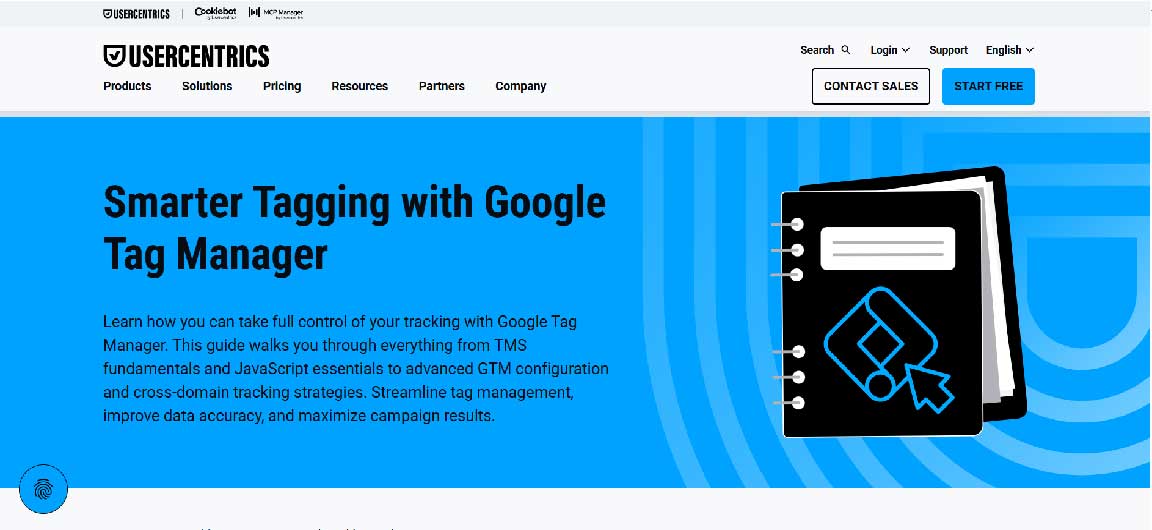
These challenges directly affect marketing analytics as well. When data is inconsistent or poorly managed, it becomes difficult to accurately track customer journeys or measure campaign performance. This is where solutions focused on privacy and data governance become essential. Tools that support multi-channel attribution help businesses understand how customer interactions across ads, content, and channels contribute to conversions. Platforms like Usercentrics provide structured consent management, ensuring that marketing data is collected and used in a compliant and transparent way.
Improving document management also supports better marketing insights. When internal data is organized and aligned with analytics tools, businesses gain a clearer view of performance across channels, reduce reporting errors, and make more informed decisions based on reliable data.
The financial impact of poor document management is often underestimated. While individual inefficiencies may seem minor, their cumulative effect can be significant. Lost time, duplicated work, and delayed projects all contribute to increased operational costs.
Employees working inefficiently require more time to complete tasks, which raises labor costs. In some cases, businesses may need to hire additional staff to manage workloads that could otherwise be streamlined. These costs add up quickly, affecting overall profitability.
Common cost drivers of poor document management include:
Investing in better document management systems helps reduce these expenses. By improving efficiency, businesses can optimize resource allocation and maintain better control over operational costs.
Creating an effective document management system requires clear planning and consistent implementation. Businesses need to establish standardized processes for storing, naming, and sharing files. This ensures that documents remain organized and easy to access.
Centralization is a key factor. Storing documents in a single, accessible location reduces confusion and improves collaboration. Version control systems also play an important role, allowing teams to track changes and avoid working with outdated files.
Automation further enhances efficiency. Integrating tools that handle repetitive tasks, such as file conversions or document sharing, reduces manual effort and improves consistency. Businesses that invest in these improvements create more reliable and scalable workflows.
For additional strategies on optimizing digital processes, resources like business process automation benefits highlight how automation can support efficiency and long-term growth.
Effective document management is not a one-time solution. It requires ongoing evaluation and improvement as workflows evolve. Businesses must regularly assess their systems to identify gaps and implement necessary changes.
Training also plays a critical role. Employees need to understand how to use document management tools effectively and follow established processes. Clear guidelines ensure consistency and reduce the likelihood of errors.
As organizations continue to adopt new technologies, maintaining a structured approach becomes even more important. Document management should support, not hinder, digital transformation efforts.
As businesses grow, document management evolves from a basic organizational need into a critical part of broader data strategy. At scale, organizations handle increasing volumes of documents, reports, contracts, and operational files across multiple teams and systems. Without a structured approach, this information becomes fragmented, making it harder to maintain consistency and extract meaningful insights.
Strong document management directly supports data accuracy across the organization. When information is properly stored, categorized, and version-controlled, it becomes easier to integrate with analytics tools and reporting systems. This ensures that decision-makers are working with reliable inputs rather than incomplete or duplicated data. Inconsistent documentation, on the other hand, often leads to gaps in reporting and misaligned performance metrics across departments.
This alignment is especially important in environments where marketing analytics and customer data play a central role. Clean and structured documentation improves the quality of data feeding into tracking systems, helping teams better understand campaign performance and customer behavior. When combined with compliant data practices, including consent-based tracking frameworks, businesses gain a more complete and trustworthy view of multi-channel activity.
Key benefits of structured document management at scale include:
Ultimately, document management is no longer just an operational function—it becomes part of the infrastructure that supports business intelligence, forecasting, and long-term planning. Companies that invest in structured systems early are better positioned to scale efficiently while maintaining clarity, accuracy, and control over their data ecosystem.
Poor document management creates hidden costs that affect productivity, collaboration, and overall business performance. While these issues may not always be immediately visible, their impact grows over time. Disorganized files, inefficient processes, and limited visibility slow down workflows and increase operational pressure.
By implementing structured systems, automating repetitive tasks, and improving data management practices, businesses can eliminate these inefficiencies. The result is a smoother, more reliable workflow that supports better decision-making and long-term growth.
As digital environments become more complex, effective document management remains a fundamental component of success. Organizations that address these challenges early position themselves for greater efficiency, stronger collaboration, and improved operational performance.


Discover our other works at the following sites:
Danetsoft is a global web agency headquartered in Indonesia, specializing in web development, managed hosting, and web publishing platform.


 [email protected]
 Susukan, Grabag
 © 2026 Danetsoft. Powered by HTMLy