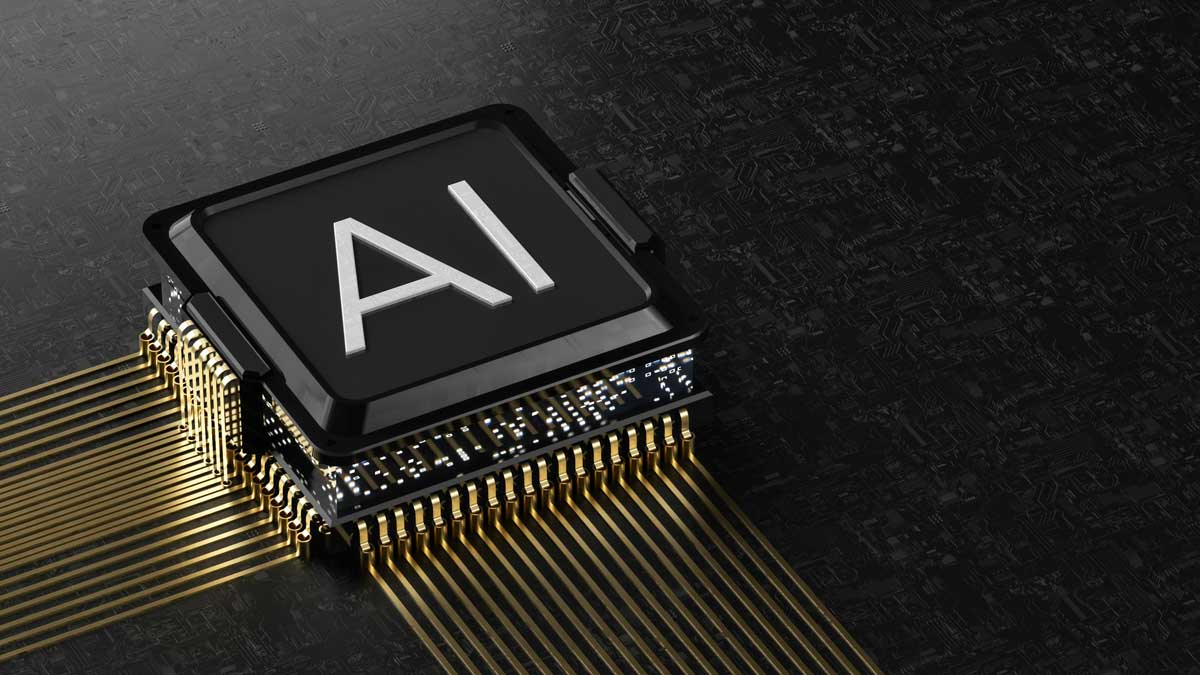
 Photo by Igor Omilaev on Unsplash
Technology has officially moved from the “support department” to the center of every business strategy. Whether you’re building a startup from scratch or running an established company, your technology stack is now one of your biggest competitive advantages.
But here’s the reality, having a bunch of tools doesn’t automatically make your business better. What really matters is how those tools work together, how they scale, and how they help you make smarter decisions faster.
In today’s landscape, the winning formula revolves around AI, cloud computing, and a few critical layers that tie everything together. Let’s break it down in a way that actually makes sense.
Not too long ago, businesses relied on separate systems for everything. Marketing had its own tools, finance had another, and operations often depended on spreadsheets. It worked, until it didn’t.
The problem with that setup is simple, nothing connects. Data gets stuck in silos, teams operate in isolation, and decision-making becomes slow and messy.
Modern businesses are moving toward something smarter, a connected ecosystem. This means every tool in your stack communicates with the others, creating a smooth flow of data across your entire organization.
When your systems are aligned, everything changes. Teams collaborate more naturally, insights become clearer, and decisions happen in real time instead of days later. It’s not just about efficiency, it’s about clarity. And in a fast-moving market, clarity is power.
If there are two technologies redefining how businesses operate today, it’s AI and cloud computing. These aren’t just trends, they’re the foundation of modern digital infrastructure.
Artificial Intelligence brings intelligence into your operations. It helps you analyze large amounts of data, recognize patterns, and make predictions that would take humans far longer to process. From personalized customer experiences to smarter forecasting, AI is quietly working behind the scenes in many successful businesses.
Cloud computing, on the other hand, gives you flexibility. It removes the need for physical infrastructure and allows your team to access systems from anywhere. Whether your employees are working from the office, home, or across different countries, the cloud keeps everything connected.
Together, AI and cloud create a powerful balance. One helps you think smarter, the other helps you move faster.
This combination is what allows modern businesses to adapt quickly, experiment with new ideas, and scale without being held back by outdated systems.
While AI and cloud are essential, they’re just the starting point. A strong technology stack needs additional layers that support growth, efficiency, and long-term sustainability.
Every business today generates data, but not every business knows how to use it effectively. A solid data infrastructure helps you collect, store, and analyze information in a way that’s actually useful. Instead of guessing what’s happening in your business, you can see it clearly through dashboards and reports that update in real time. This level of visibility allows leaders to make better decisions, faster.
Even the best tools lose their value if they don’t work together. Integration ensures that your systems are connected, allowing data to move seamlessly between platforms. This eliminates manual work, reduces errors, and creates a more unified workflow. Instead of jumping between apps and duplicating data, everything stays in sync automatically.
Automation is where efficiency really kicks in. Here are a few examples of what modern businesses are automating:
By automating repetitive tasks, businesses free up time and energy for more strategic work. It’s not about replacing people, it’s about helping them focus on what actually matters.
Having a modern tech stack isn’t just about solving today’s problems. It’s about preparing your business for what’s coming next.
Cybersecurity has become a critical part of this conversation. As businesses rely more on digital systems, the risk of cyber threats increases. A single data breach can damage your reputation and cost you more than just money, it can break customer trust. That’s why security needs to be built into your systems from the very beginning, not added as an afterthought.
Scalability is another key factor. As your business grows, your technology should grow with you. Cloud-based and modular systems make it easier to expand without rebuilding everything from scratch.
Whether you’re handling more users, launching new products, or entering new markets, a scalable system keeps things running smoothly.
And then there’s the future. Technologies like edge computing, blockchain, and extended reality are starting to shape new possibilities. You don’t need to adopt everything immediately, but staying aware of these developments helps you stay one step ahead.
The goal isn’t to chase every new trend, it’s to stay flexible enough to evolve when it matters.
At the end of the day, a modern technology stack isn’t about complexity, it’s about alignment. The best businesses aren’t the ones with the most tools, but the ones with systems that actually work together. When AI, cloud, data, and automation are aligned, your business becomes faster, smarter, and more resilient.
Technology should support your growth, not slow it down. So if your current setup feels messy, disconnected, or outdated, it might be time for a reset. Start simple, focus on what your business really needs, and build a stack that can grow with you.
Because in today’s digital world, the question isn’t whether technology matters. It’s whether your technology is strong enough to keep up.


Discover our other works at the following sites:
Danetsoft is a global web agency headquartered in Indonesia, specializing in web development, managed hosting, and web publishing platform.


 [email protected]
 Susukan, Grabag
 © 2026 Danetsoft. Powered by HTMLy