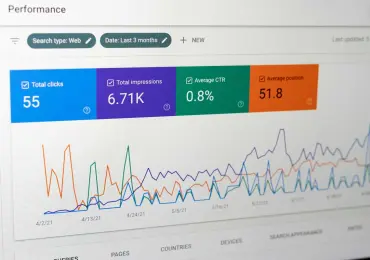
 Photo by Lukas Müller on Unsplash
In today’s highly competitive hospitality market, visibility in search engines plays a decisive role in attracting guests. With global online travel sales expected to exceed $1 trillion by 2027 and more than 70% of travelers starting their booking journey on search engines, hotels must compete not only on price and experience but also on discoverability. As more bookings shift to digital channels, properties that fail to appear in relevant search results risk losing significant revenue to competitors and online travel agencies (OTAs).
Search engines have become a primary touchpoint in guest decision-making, influencing everything from destination research to final booking. Travelers rely on search to compare options, read reviews, and evaluate location-based results, making visibility in these moments critical. This is where hotel digital marketing strategies, particularly SEO, play a central role in driving direct bookings and reducing dependency on third-party platforms.
Organic traffic remains one of the most cost-effective acquisition channels for hotels, delivering long-term value without the ongoing costs of paid advertising. A strong SEO strategy typically focuses on key areas such as local visibility (Google Business Profile and maps), optimized listings across platforms, and high-quality content that answers traveler intent. Together, these elements help hotels build authority, attract qualified traffic, and convert searchers into guests.
Local SEO is essential for hotels aiming to capture high-intent travelers searching for accommodation in specific destinations. Queries like “hotels near me” or searches tied to landmarks and neighborhoods often signal immediate booking intent. If a property doesn’t appear in these results, it risks losing direct bookings to competitors or third-party platforms that dominate local search visibility.
A strong local SEO strategy starts with consistency and accuracy across all digital touchpoints. Key actions include:
NAP consistency: Ensure your hotel’s Name, Address, and Phone number are identical across your website, booking platforms, and directories. Even small discrepancies can affect search rankings and trust.
Local citations and listings: Maintain accurate profiles on platforms like Google Business Profile, travel directories, and mapping services. These listings help search engines validate your business and improve local visibility.
Guest reviews management: Encourage satisfied guests to leave reviews and respond to feedback consistently. Reviews influence both rankings and booking decisions, acting as social proof for potential guests.
Content also plays a major role in local discoverability. Incorporating location-specific keywords—such as city names, nearby attractions, or popular districts—into website pages, blog content, and metadata helps search engines connect your hotel with relevant queries. This not only improves rankings but also ensures your property appears in front of travelers actively planning their stay.
By combining accurate business data, strong review management, and targeted local content, hotels can significantly improve their visibility in search results. The result is more direct traffic, higher booking intent, and a stronger competitive position in the local market. The result is more direct traffic, higher booking intent, and a stronger competitive position in the local market, especially for hotels that leverage a direct booking platform to convert visitors into confirmed reservations.
Your Google Business Profile acts as the first impression many travelers have of your hotel. It often appears before your website in search results, especially for location-based queries, making it a critical touchpoint for attracting direct bookings. A fully optimized profile not only improves visibility but also builds trust and encourages users to take action—whether that’s visiting your website, calling the property, or making a reservation.
A strong setup begins with accuracy and completeness:
Profile setup and verification: Ensure your listing is fully verified and all core details are filled in, including category, contact information, and operating hours.
Clear, keyword-informed description: Write a concise description that highlights your hotel’s unique value while naturally incorporating relevant search terms.
High-quality visuals: Regularly upload professional photos of rooms, amenities, and common areas. Fresh, high-resolution images significantly influence booking decisions.
Ongoing optimization is just as important as the initial setup:
Accurate amenities and attributes: Keep details like Wi-Fi availability, parking, dining options, and accessibility features up to date to match guest expectations.
Posts, updates, and Q\&A: Use posts to promote offers, events, or seasonal updates, and actively manage the Q\&A section to address common guest inquiries.
Performance tracking: Monitor insights such as views, clicks, calls, and direction requests to understand how users interact with your profile and refine your strategy accordingly.
When managed effectively, your profile becomes more than a listing—it functions as a dynamic marketing channel. By keeping information accurate, visuals engaging, and content active, hotels can increase local visibility, drive more direct traffic, and convert searchers into guests at a higher rate.
A well-defined content strategy helps hotels attract, engage, and convert potential guests by aligning content with traveler intent. Instead of relying solely on booking platforms, hotels can use their own websites to capture organic traffic and guide users through the decision-making process. High-quality, relevant content not only improves search rankings but also builds trust and positions the hotel as part of the overall travel experience.
At the core of this strategy is creating targeted, value-driven content:
Destination-focused landing pages: Develop pages tailored to specific locations, attractions, or traveler segments (e.g., “hotels near city center” or “family-friendly stays in [destination]”).
Blog content: Publish articles around travel tips, seasonal events, and local attractions to attract users in the research phase and keep your website fresh and relevant.
Long-tail keywords: Use specific search phrases that reflect real traveler intent, helping capture niche queries with higher conversion potential.
Equally important is how content is structured and delivered:
SEO-friendly formatting: Use clear headings, internal linking, and logical content structure to improve readability and search engine indexing.
Mobile optimization and speed: Ensure pages load quickly and perform seamlessly on mobile devices, as a large share of travel searches happens on smartphones.
To maximize results, hotels often rely on experienced partners like COAX Software, whose expertise in SEO services, content marketing, and digital solutions helps create scalable content strategies aligned with business goals. By combining technical optimization with high-quality content, hotels can increase visibility, drive direct traffic, and turn website visitors into loyal guests.
SEO is not a one-time effort but a long-term investment that directly impacts a hotel’s visibility, brand authority, and revenue growth. By building a strong foundation and continuously optimizing digital presence, hotels can reduce reliance on third-party channels and capture more high-intent traffic through direct searches.
The most effective results come from combining multiple elements—local SEO, fully optimized business listings, and a consistent content strategy. Together, these components ensure that your hotel appears in the right searches, provides relevant information, and guides potential guests toward booking directly.
To remain competitive, ongoing monitoring and регулярні updates are essential. Search trends, algorithms, and traveler behavior continue to evolve, and hotels that actively refine their strategy will be best positioned to turn online searches into consistent, direct bookings.


Discover our other works at the following sites:
Danetsoft is a global web agency headquartered in Indonesia, specializing in web development, managed hosting, and web publishing platform.


 [email protected]
 Magelang, Central Java
 © 2026 Danetsoft. Powered by HTMLy