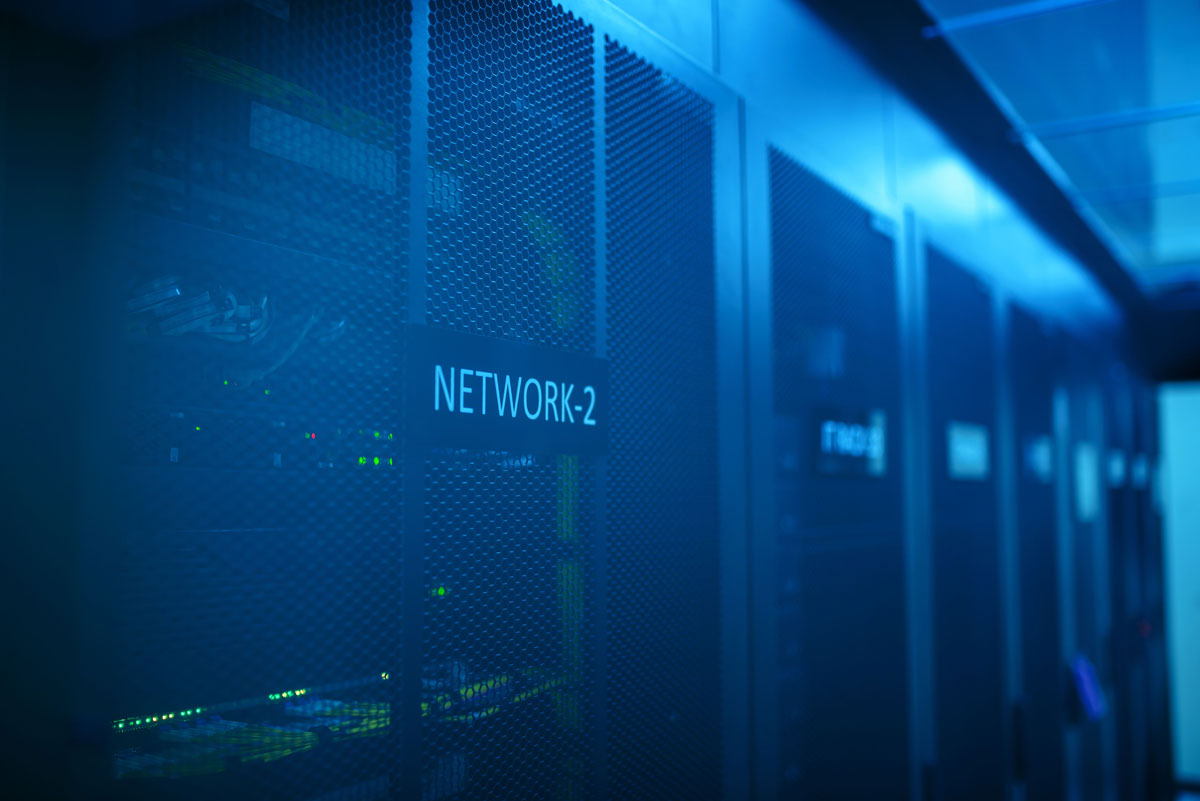
 Photo by panumas nikhomkhai on Pexels
Website hosting is no longer just about putting a site online and keeping the server running. As websites become more dynamic, more global, and more exposed to traffic spikes and security threats, hosting has started to evolve into something smarter. AI-driven infrastructure and automation are reshaping how hosting platforms manage resources, respond to problems, and support websites of every size.
For many years, hosting plans were measured by storage, bandwidth, uptime, and price. Those basics still matter, but they do not tell the whole story anymore. Today, the best hosting platforms are becoming more adaptive. They can predict demand, react to unusual activity, self-correct errors, and reduce the amount of manual work needed to keep a site stable. That shift is changing the way we build, launch, and maintain websites.
When people hear “AI in hosting,” it can sound abstract or overly technical. In practice, it usually means a hosting platform is using data patterns, automation, and machine learning to make better operational decisions.
That might include adjusting server resources before traffic rises, spotting performance issues before users complain, or identifying suspicious behavior before it becomes a security problem. The goal is not to replace people, but to take over repetitive and time-sensitive tasks that are difficult to manage manually at scale.
This matters because websites rarely fail in obvious ways. More often, they slow down, become unstable, or get overwhelmed gradually. AI gives hosting platforms a better way to notice those changes early and respond with less friction.
One of the biggest strengths of AI-driven hosting is better resource allocation. Traditional hosting often relies on fixed limits. If a site gets more visitors than expected, it can slow down, trigger an error, or require a plan upgrade.
That is not ideal for businesses that run campaigns, publish content regularly, or experience seasonal traffic spikes. AI helps by studying usage patterns and making predictions based on past behavior. If a site usually gets more traffic on certain days or at certain times, the system can prepare in advance instead of waiting for the pressure to build.
This gives us a few important advantages:
In a traditional setup, we often have to react after users already feel the slowdown. In an intelligent hosting environment, the system can anticipate the change and prepare the right amount of compute power, memory, or bandwidth ahead of time.
Automation is not new in hosting, but it is becoming much more powerful. What used to be simple scheduling or scripted maintenance is now turning into full operational automation across deployment, monitoring, recovery, and optimization.
Modern hosting platforms increasingly connect directly with development workflows. Code can move from version control into staging and then production with automated checks in between. That reduces human error and speeds up releases.
The next step is even more useful. Hosting systems can watch what happens after deployment, compare performance against previous versions, and detect problems automatically. If a new release causes errors, slow responses, or abnormal user behavior, the system can roll it back before the issue spreads.
This kind of automation gives us more confidence when shipping updates. It also helps teams release changes more often without adding unnecessary risk.
A major shift in hosting is the rise of self-healing infrastructure. If a container crashes, a service stops responding, or a server node fails, the system can restart it, replace it, or route traffic around it automatically.
This matters because technical failures are rarely neat and isolated. Small issues can snowball quickly if nobody catches them in time. Self-healing hosting helps reduce the gap between the problem appearing and the fix being applied.
Instead of waiting for an alert and then opening a support ticket, the platform can handle many routine incidents on its own. That means less downtime and less stress for the people responsible for the site.
Backups, patches, certificate renewals, log cleanup, and system updates are all tasks that can benefit from automation. AI makes this process even better by choosing the right time and priority based on what is happening in the environment.
For example, if traffic is low, the system can apply updates in a safer window. If unusual file changes or rising errors suggest risk, it can increase backup frequency. The result is maintenance that feels less disruptive and more responsive.
One of the most important changes in the future of hosting is the move from reacting to predicting. Instead of waiting until something breaks, platforms are beginning to forecast what is likely to happen next.
Traffic is never fully predictable, but it is rarely random either. Patterns exist in publishing schedules, marketing campaigns, product launches, seasonal events, and visitor behavior. AI systems can study that data and make informed estimates about incoming demand.
That gives hosting platforms a chance to scale before a big moment arrives. If a blog post starts gaining attention, or an online store is about to run a promotion, the hosting environment can prepare resources in advance. This helps avoid the familiar problem of a site becoming slow right when it is most visible.
For us, that means fewer surprises and a smoother experience for users who arrive during high-traffic periods.
AI can also spot early signs of failure in hardware and services. A hard drive with rising latency, a memory issue that keeps repeating, or a region showing higher error rates may not trigger a full outage immediately, but these are the kinds of signals that can point to trouble.
Predictive maintenance takes the same idea used in manufacturing and industrial systems and applies it to hosting. By identifying likely failures early, providers can replace components, isolate services, or reroute traffic before users are affected.
This lowers the risk of emergency repairs and helps improve uptime in a way that is hard to achieve with manual monitoring alone.
Security is one of the biggest reasons hosting needs to become smarter. Attack methods evolve quickly, and static defenses often cannot keep up. AI helps hosting systems respond to changing threats in real time.
Traditional security tools rely on known signatures, fixed rules, and predefined thresholds. Those are still useful, but they can miss new or unusual threats. AI adds another layer by learning what normal behavior looks like and then flagging activity that looks out of place.
That could mean:
When the system catches these patterns early, it can raise alerts or block activity automatically. That gives us a much faster response than waiting for a human to notice the problem.
Many websites deal with spam, scraping, fake signups, and brute force attempts. Basic filters can help, but they often struggle to tell the difference between legitimate users and harmful automation.
AI can look at behavior across sessions and identify patterns that are harder to fake. That means less spam in forms, fewer abusive account creations, and stronger protection for content and services that need to stay secure.
The benefit here is not just blocking threats, but doing it in a way that reduces false positives. A good hosting platform should stop abuse without making life harder for real visitors.
When vulnerabilities appear, time becomes critical. AI-assisted hosting platforms can prioritize patches based on severity, quarantine suspicious workloads, and reduce exposure while fixes are being rolled out.
That kind of response shortens the dangerous gap between discovering a problem and actually protecting the site. For businesses that depend on uptime and trust, that can make a real difference.
The future of hosting is not only about centralized cloud systems. It is also about moving content and services closer to users through edge infrastructure.
Edge hosting reduces delay by serving content from locations closer to visitors. This is especially important for global audiences, where distance can add noticeable lag.
AI helps decide what belongs at the edge and what should stay in the cloud. Static assets, cached pages, and some dynamic functions can be distributed intelligently to improve speed without making the system unnecessarily complicated.
That balance matters. We want fast delivery, but we also want a setup that is manageable and efficient.
As hosting environments become more distributed, AI can help decide where tasks should run based on speed, cost, and current infrastructure load. If one region is under pressure, the platform can shift work elsewhere. If user demand increases in a new market, resources can move closer to that audience.
This kind of workload placement used to require careful manual planning. Now, it can happen dynamically, based on live conditions.
Zero-touch operations means systems can run with very little direct intervention. In hosting, this idea is becoming more practical every year.
A lot of routine tasks, monitoring logs, checking alerts, restarting services, adjusting thresholds, can be handled by automation. That does not remove the need for human oversight, but it changes where our time goes.
Instead of spending hours on routine maintenance, teams can focus more on architecture, planning, product decisions, and customer experience. That is a much better use of human attention.
Manual processes often create inconsistencies. One person may configure an alert differently from another. One admin may respond quickly, while another may take a different path. Those differences can make systems harder to understand and manage.
Automated systems bring more consistency. When actions are logged and repeatable, it becomes easier to trace what happened and why. That helps with debugging, compliance, and general reliability.
AI-driven hosting affects everyone, but the value shows up differently depending on the size and type of website.
For small businesses, the biggest benefit is simplicity. A smarter hosting platform can handle backups, scaling, security checks, and performance tuning without requiring constant attention.
That means fewer technical distractions and more focus on the actual business. Hosting becomes less of a burden and more of a dependable utility in the background.
Developers and agencies benefit from faster deployments, better automation, and more predictable environments. They can ship changes with more confidence and spend less time on repetitive operations work.
At the same time, visibility becomes important. If the platform auto-scales, blocks traffic, or rolls back a release, teams need to understand why. Intelligent hosting works best when it is transparent, not mysterious.
For larger organizations, AI-driven hosting can handle massive complexity. Multiple regions, large traffic swings, and many services can be coordinated more efficiently with automation.
But that also means governance becomes essential. As systems take on more decision-making, we need strong policies, audit trails, and controls so that automation stays trustworthy and aligned with business goals.
Smarter hosting solves a lot of problems, but it also creates new ones.
If a platform makes decisions automatically, we need clear explanations of what happened. Hidden behavior can lead to confusion, especially when traffic gets blocked or resources are shifted unexpectedly.
Logs, alerts, and override options need to be part of the system, not added later as an afterthought.
Automation is helpful, but over-automation can be risky. A system that reacts too aggressively may cause instability, unnecessary rollbacks, or false security blocks.
The strongest platforms will blend automation with human oversight. Routine issues can be handled automatically, while unusual situations still leave room for judgment.
AI depends on data, and hosting platforms collect plenty of it, traffic patterns, logs, system events, and more. That creates a responsibility to handle information carefully.
Providers need to be clear about what they collect, how they use it, and how they protect it. Trust will depend on privacy practices just as much as performance.
The future of hosting is not one isolated feature. It is the whole stack becoming more responsive, from provisioning and deployment to monitoring and recovery.
Instead of fixed plans that stay the same no matter what happens, we are moving toward adaptive platforms that respond in real time. Resources can scale up or down, security controls can react to behavior, and maintenance can happen when it causes the least disruption.
That is a major shift. Hosting is no longer just a passive service that stores files and serves pages. It is turning into an active system that helps websites stay fast, safe, and reliable with much less manual effort.
AI-driven infrastructure and automation are changing website hosting in practical ways. Sites can be faster because resources adjust before traffic spikes. They can be safer because threats are detected earlier. They can be easier to manage because routine maintenance and recovery tasks happen automatically.
For us, the biggest change is not just technical, it is operational. We are moving from a hosting model built on fixed assumptions to one that learns and adapts. That means fewer emergencies, fewer slowdowns, and fewer manual tasks standing in the way.
The future of hosting looks more intelligent, more responsive, and more self-managing than the systems we have relied on for years. And as that shift continues, websites will become easier to run, more resilient under pressure, and better prepared for the demands of the modern web.


Discover our other works at the following sites:
Danetsoft is a global web agency headquartered in Indonesia, specializing in web development, managed hosting, and web publishing platform.


 [email protected]
 Magelang, Central Java
 © 2026 Danetsoft. Powered by HTMLy