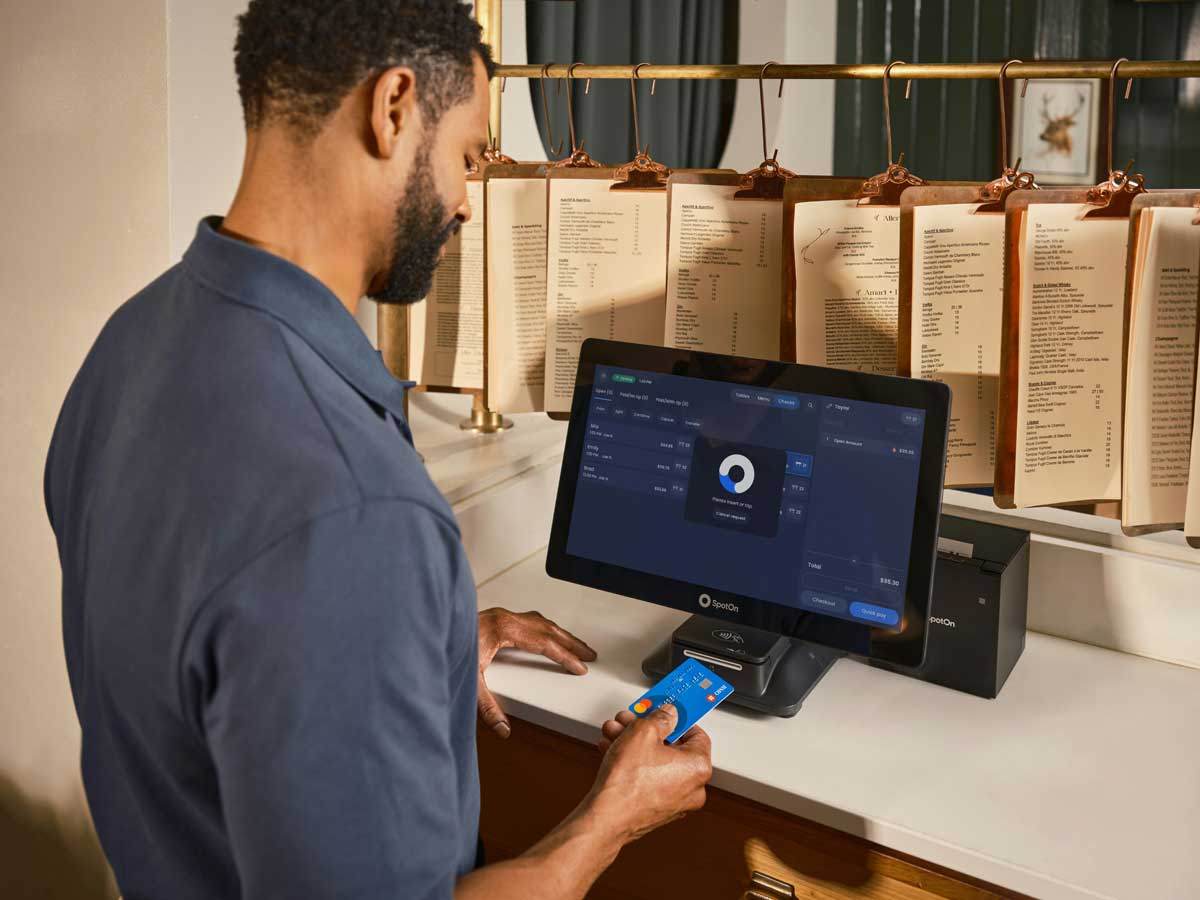
 Photo by SpotOn on Unsplash
Cloud businesses have a lot going for them. We can launch faster, scale without buying mountains of hardware, and charge customers in ways that better match actual usage. That flexibility is part of what makes cloud models so powerful. It is also what makes billing so tricky.
Once we move beyond a simple flat monthly fee, billing starts to pick up layers of complexity. Usage data comes from different systems. Customers may have custom deals. Taxes vary by region. Discounts need to be applied correctly. Payments may arrive on different schedules. If we try to manage all of that with spreadsheets and disconnected tools, we invite confusion, delays, and costly mistakes.
That is why cloud billing software has become such an important part of modern business operations. It gives us a way to organize usage data, automate invoicing, track revenue, and keep the whole billing process under control. For companies selling cloud products, or relying heavily on cloud infrastructure, it is one of those systems that quietly supports growth in a big way.
At its core, cloud billing software takes raw usage information and turns it into charges customers can understand and pay. That sounds simple, but there is a lot happening behind the scenes.
The software can track metered usage, recurring subscriptions, one-time charges, discounts, tax rules, credits, and contract-specific pricing. It may connect with cloud platforms, internal applications, customer portals, and payment processors. Instead of manually pulling numbers from different places, we let the system collect the data, apply the pricing logic, and create invoices automatically.
That means billing is no longer a pile of separate tasks. It becomes a connected workflow.
Most cloud billing tools are built to manage several important functions:
When all of these pieces work together, our billing process becomes much easier to run and much harder to break.
Traditional billing used to be fairly straightforward. A customer paid a fixed amount each month, maybe with a few adjustments here and there. Cloud businesses do not usually work that way anymore.
We may charge for API calls, storage, compute time, bandwidth, users, seats, transactions, or a combination of all of them. Some customers want simple predictable pricing, while others want custom contracts that reflect their specific scale and usage. On top of that, businesses often grow quickly, which means the billing system has to keep up without constant manual intervention.
Usage-based pricing is attractive because it feels fair. Customers pay for what they actually consume, which lowers the barrier to entry and can make pricing easier to justify. But this model depends on accurate tracking. If we cannot measure usage reliably, we cannot bill reliably either.
This is where cloud billing software becomes essential. It helps us capture usage events, rate them properly, and turn them into charges without relying on guesswork.
A billing process that works for a small customer base may fall apart when the business starts growing fast. More customers mean more invoices, more edge cases, more data, and more chances for errors. Finance teams can end up spending too much time fixing billing issues instead of analyzing performance or planning ahead.
Billing software helps us stay organized as the volume increases.
If billing is wrong, nearly everything else gets harder. Overcharging creates customer frustration. Undercharging creates revenue loss. Delayed corrections waste time and damage trust.
Cloud billing software helps us improve accuracy by removing a lot of the manual work that often causes mistakes.
Manual billing usually means copying usage data into spreadsheets, checking formulas, reviewing rates, and trying to spot problems before invoices go out. That process leaves plenty of room for errors, especially when teams are handling large amounts of data.
Automation reduces that risk. The software applies the same logic every time, which makes outcomes more consistent and much easier to trust.
One of the hidden strengths of billing platforms is that they let us define pricing in one place. That pricing can then be used across invoices, reporting, customer portals, and internal systems. We do not have to worry about different teams working from different versions of the truth.
If a customer has special terms, the system can apply them directly. That prevents confusion and reduces the chance of billing disagreements later.
One of the most practical advantages of cloud billing software is speed. Manual billing cycles tend to drag. Someone has to collect data, check records, calculate charges, build invoices, review them, and then send them out. That takes time, and time affects cash flow.
With automation, invoices can be created on schedule, without waiting on a long handoff process.
The faster we bill, the faster we can collect. That matters in any business, but it becomes even more important in cloud companies where infrastructure and operating costs can be significant. A short delay in invoicing can create a real strain on cash flow when the company is growing fast.
Automated billing also makes it easier to understand where revenue is coming from. We can separate subscription income from usage charges, add-ons, and custom services. That visibility helps us see which offerings are performing well and which ones may need attention.
Billing may happen in the background, but customers notice it quickly when something goes wrong. Unclear invoices, surprise charges, and repeated mistakes can cause frustration even when the product itself is strong.
Cloud billing software helps us make billing clearer and more reliable, which improves the customer relationship.
People want to understand what they are paying for. A good billing system can break charges down by service, date, product, or usage category. That level of detail makes invoices easier to read and gives customers confidence that the numbers make sense.
When charges are clearly explained, customers are less likely to question them. If they do have concerns, billing software helps us trace the charge back to the actual usage record. That makes it easier to resolve issues without long back-and-forth conversations.
Many billing systems also support recurring payments, multiple payment methods, reminders, and automatic retries. Those features help customers stay current without unnecessary friction, while also helping us avoid avoidable revenue delays.
Growth is good, but growth without the right tools can create a mess. Billing is one of the first places where that pressure shows up.
As the customer base expands, the number of services, pricing models, and exceptions grows too. Cloud billing software helps us handle that complexity without building a new process every time the business changes.
Cloud environments generate a huge amount of usage data. Every action can matter, from logins and transactions to storage and compute usage. Billing software is built to process that data without bogging down the team.
Not every customer needs the same arrangement. Some want flat subscriptions. Some want tiered pricing. Some want custom enterprise deals with usage thresholds, bundled services, or special discounts. Billing software gives us room to support all of that without turning finance operations into a puzzle.
Billing touches finance, sales, engineering, customer support, and operations. Without a shared system, everyone may be working from different assumptions. A centralized platform gives us one consistent view of billing information, which makes collaboration easier and reduces misunderstandings.
Billing systems are not just about sending invoices. They also help us understand the business more clearly.
When usage and revenue data are connected, we can make better decisions about pricing, product design, customer support, and financial planning.
Instead of waiting until the end of the month to see what happened, we can track usage as it happens. That makes it easier to respond when consumption patterns change or when costs start moving in the wrong direction.
Most modern cloud billing tools include dashboards and reports that show revenue trends, unpaid balances, customer usage patterns, and more. These reports make it much easier to spot what is working and where we may need to pay attention.
When we can connect product usage to revenue, we get a much clearer picture of profitability. That helps us think more carefully about pricing, packaging, resource allocation, and which services deserve more investment.
Billing also carries regulatory responsibilities. Depending on where we do business, we may need to calculate taxes correctly, keep records for audits, and store invoices in a way that meets legal requirements.
Cloud billing software can take a lot of pressure off the team here as well.
Many systems can apply tax rules based on customer location, product type, or applicable regulations. That lowers the chance of charging the wrong rate or missing a requirement.
When changes to billing records are tracked properly, it becomes easier to explain how a charge was created and modified. That is useful not only for compliance, but also for internal accountability.
Invoices, credit notes, payment histories, and contract details can all live in one system. That makes it much easier to answer customer questions, prepare reports, and keep financial records organized.
Pricing can make or break a cloud business. If pricing is too simple, we may miss revenue opportunities. If it is too complicated, customers may struggle to understand it. Cloud billing software gives us the flexibility to test and manage pricing without turning each change into a major operational project.
With the right billing platform, we can support:
That flexibility helps us adapt to different customer groups and market conditions.
When it is time to adjust rates, add a new plan, or launch a product with special pricing, the billing system can handle the change without breaking everything else. That keeps the financial side of the business far more manageable.
Billing can eat up a surprising amount of time. Someone has to pull usage data, check customer records, generate invoices, send reminders, and respond to billing questions. Those tasks are important, but they are also repetitive.
Cloud billing software helps us automate many of them.
Automation cuts down on data entry and repetitive processing. That saves time and reduces the chance of mistakes.
When the billing process runs smoothly, finance and operations teams can focus on analysis, forecasting, planning, and customer support instead of chasing down routine issues.
Cloud businesses often serve many kinds of customers at once. A startup may want low-friction pricing and a simple invoice. An enterprise may need negotiated terms, usage caps, and detailed reporting. Global customers may need support for different currencies and tax rules.
Cloud billing software helps us handle all of these cases in one system.
Large clients often expect custom contract terms, flexible billing schedules, and detailed reporting. A good billing platform can support those requirements without creating separate workflows for every account.
Smaller customers usually want something easy to understand. They want clear plans, simple invoices, and predictable payments. Billing software can provide that without losing the ability to scale later.
If we work across borders, we may need to manage taxes, currencies, and invoice formats in different ways. Billing software helps us do that more cleanly and with fewer headaches.
Cloud billing software is more than a technical tool. It supports the financial structure of the business, shapes the customer experience, and helps teams work with better information. It reduces errors, speeds up invoicing, and makes it easier to manage a business that is growing and changing fast.
As more companies move toward cloud-based products and usage-driven pricing, billing can no longer be treated as an afterthought. It has become part of how we serve customers, how we manage revenue, and how we keep the business healthy over time.
Cloud billing software brings order to a process that can become messy very quickly. It helps us handle usage data, automate invoices, keep pricing consistent, and maintain better visibility into business performance. It also makes billing easier for customers to understand, which builds trust and reduces friction.
For cloud companies, the value goes well beyond convenience. A strong billing system supports accuracy, scalability, compliance, and better decision-making. In a business environment where speed and clarity matter, that is a major advantage.


Discover our other works at the following sites:
Danetsoft is a global web agency headquartered in Indonesia, specializing in web development, managed hosting, and web publishing platform.


 [email protected]
 Magelang, Central Java
 © 2026 Danetsoft. Powered by HTMLy