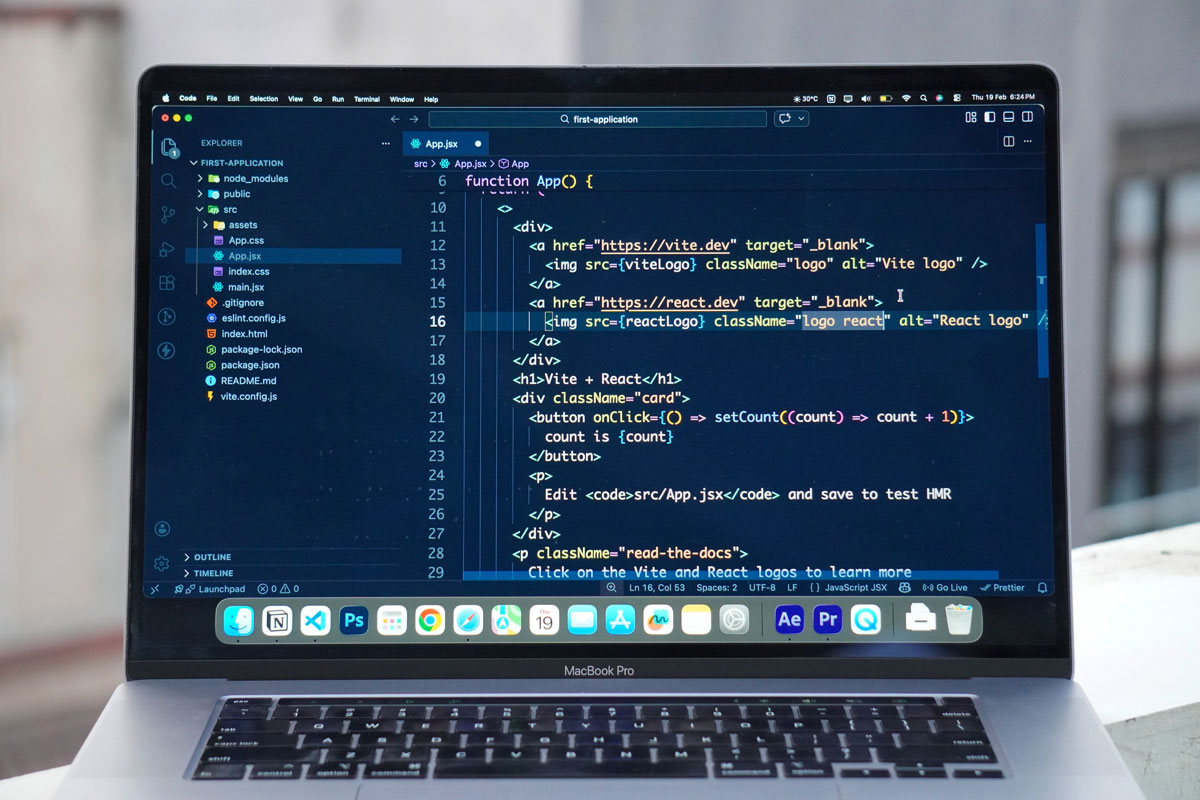
 Photo by Meet Patel on Pexels
Software-as-a-Service (SaaS) programs increasingly rely on outside data to deliver smarter features, improve consumer studies, and help enterprise choices From competitive intelligence platforms to AI-powered analytics tools, access to accurate and up-to-date data has grown to be a critical part of current software improvements.
However, it can be difficult to accumulate data from exclusive websites. Websites frequently trade off their systems, use JavaScript to load content, and introduce anti-bot technology further complicating automatic data extraction. Building an individual scraping system for each internet site additionally requires sizable development time and ongoing protection.
Web Scraper APIs offer a sensible approach to these challenges. They allow SaaS developers to automate net statistics collection via API requests, retrieve based records, and combine external information into their programs. Using these gears, organizations can expand more capable SaaS products without having to manage every factor of internet scraping infrastructure themselves.
Modern SaaS packages increasingly rely on external records to provide valuable services. Businesses need a software program that does more than protect internal records. They expect the systems to supply marketplace insights, highlight competition and music industry trends, and provide real-time information.
For example, an e-commerce intelligence platform requires product fees and availability from on-line marketplaces. A recruitment software may additionally require to have publicly available job listings, such as an economic analysis platform additionally wants records from particular commercial enterprise websites.
Storing this record manually is not practical when applications serve heaps of clients and process massive amounts of data.
Web Scraper APIs help solve this problem by automating the aggregation procedure. SaaS systems can retrieve relevant information from supported websites and rework them into structured data sets that power application functions.
The Web Scraper API acts as an intermediary between the SaaS application and external web sites. Instead of creating a separate scraping tool, developers can send requests to an API endpoint and receive extracted data in a structured way.
Typically this type starts when the application sends a request containing the target website or page. Depending on the issuer, the API handles responsibilities such as retrieving web page content content, rendering JavaScript, coping with proxies, and processing extraction requests
The API then returns the requested data, in regular JSON or every other gadget-readable form. A SaaS application can process feedback, shop in a database, or show it through its person interface.
This approach simplifies development because groups can focus on building application capabilities instead of having a complex scrapping infrastructure.
Web Scraper APIs aid a sort of SaaS commercial enterprise model. Their flexibility makes them beneficial in all industries that rely on outside data.
Competitive intelligence software facilitates groups to know what competitors are doing. By integrating Web Scraper APIs, you can store these structures publicly which can contain product costs, promotional offers, product details, and different market facts.
The data collected can be displayed via a dashboard that allows customers to examine competitors, identify market integration, and compare pricing techniques.
Automated archiving also makes it simple to replace records frequently, assisting clients with additional current day market insights into their paintings.
E- Commerce groups want accurate product records for pricing and inventory decisions. SaaS systems can use Web Scraper APIs to gather product listings, patron scores, reviews, and availability statistics from online retailers.
These datasets can power product evaluation gear, rate tracking systems, and marketplace study applications.
For SaaS carriers, this creates opportunities to provide advanced analytics functions that help on-line sellers understand market conditions and enhance their commercial enterprise strategies.
Artificial intelligence is changing how SaaS applications system and use records. AI-powered platforms want relevant outside data to generate insights, answer questions, and help automate workflows.
Web scraper APIs provide publicly accessible web content that will become part of the AI utility’s record pipeline. For example, an AI research assistant might want to retrieve records from applicable websites and prepare them for analysis.
When mixed with record cleansing, validation, and retrieval structures, scraped information can help AI programs supply additional context-aware results.
Business intelligence and lead era platforms often rely on organization statistics, industry updates, and publicly available commercial enterprise information.
Web scraper APIs can automate the collection of applicable website content content, helping SaaS packages manage records for market studies and enterprise analysis.
This can reduce manual study efforts and provide customers with centralized information to identify capabilities and commercial venture opportunities.
Integrating the Web Scraper API provides several benefits for SaaS corporations.
Faster Development: Building a scraping infrastructure from scratch requires builders to address website requests, statistics extraction, proxy handling, and technical protection. Using an API reduces this workload and keeps teams cognizant of mid-range product development.
Scalable Data Collection: SaaS infrastructures can enjoy increasing data needs as their customer base grows. Web Scraper APIs can support computerized chain workflows that expand with the desires of usability, relying on company capabilities and usage limits.
Access to Structured Data: Extracted data can be returned in machine-readable codecs, facilitating integration with databases, analytics gear and alertness backends.
Reduced Maintenance: Structuring the website allows the exchange of requirements to be accessed often. Depending on the issuer, a controlled scraping infrastructure can reduce the amount of protection required by in-house development teams.
Advanced Product Capabilities: External data can guide new functions, including tracking competitors, computerized studies, fee tracking, and AI-driven suggestions These talents can make SaaS programs more profitable for customers.
Successful integration requires more than connecting an API endpoint. SaaS developers want a reliable facts pipeline that manages facts from series to shipping.
The process generally begins with defining the desired data sources and extraction areas. The software then sends API requests primarily based on customer requirements or scheduled tasks.
After receiving feedback, the system should validate and normalize the records before storing them. This step allows becoming aware of missing values, reproduction information, and inconsistent formats.
Next, the processed information may be transferred to databases, cloud garage, or analytics structures. SaaS applications can use this information to generate reviews, update dashboards, or trigger automated notifications.
Developers must also introduce errors in order for mechanisms to deal with, track requests, archive, and retry. These practices help preserve application reliability when websites or API offerings experience transient issues.
Choosing the right issuer is critical to long-term SaaS improvement. Companies should compare several factors before integrating the latter.
First, internet site compatibility issues. The application of the API needs to guide the required website content and content types that require JavaScript rendered pages.
Second, manufacturers need to keep in mind scalability, response time, request limits, and pricing. These elements directly affect the overall performance and workload of the application.
Data, first class, is just as important. Reliable extraction, dependent responses, and routine results help prevent erroneous reports from affecting customer-facing features.
Finally, organizations have to look at documentation, integration options, proxy handling skills, and customer support. Legal compliance also needs to be considered when collecting and processing external net statistics.
Web Scraper APIs are a valuable tool for building next-age SaaS applications. They provide a sensible way to access external Internet data, automate data collection, and support capabilities that rely on accurate and up-to-date datasets.
From competitive intelligence and e-commerce analytics to AI-powered packages and business research platforms, automated Internet information gathering is creating opportunities for SaaS organizations to deliver more advanced services.
By integrating trusted Web Scraper APIs into scalable data pipelines, manufacturers can reduce infrastructure complexity, accelerate product improvements, and build applications that deliver more value to customers.
As the demand for record-pushing software programs continues to grow, web scraper APIs will become an important part of the infrastructure supporting SaaS innovation nowadays.


Discover our other works at the following sites:
Danetsoft is a global web agency headquartered in Indonesia, specializing in web development, managed hosting, and web publishing platform.


 [email protected]
 Magelang, Central Java
© 2026 Danetsoft. Powered by HTMLy