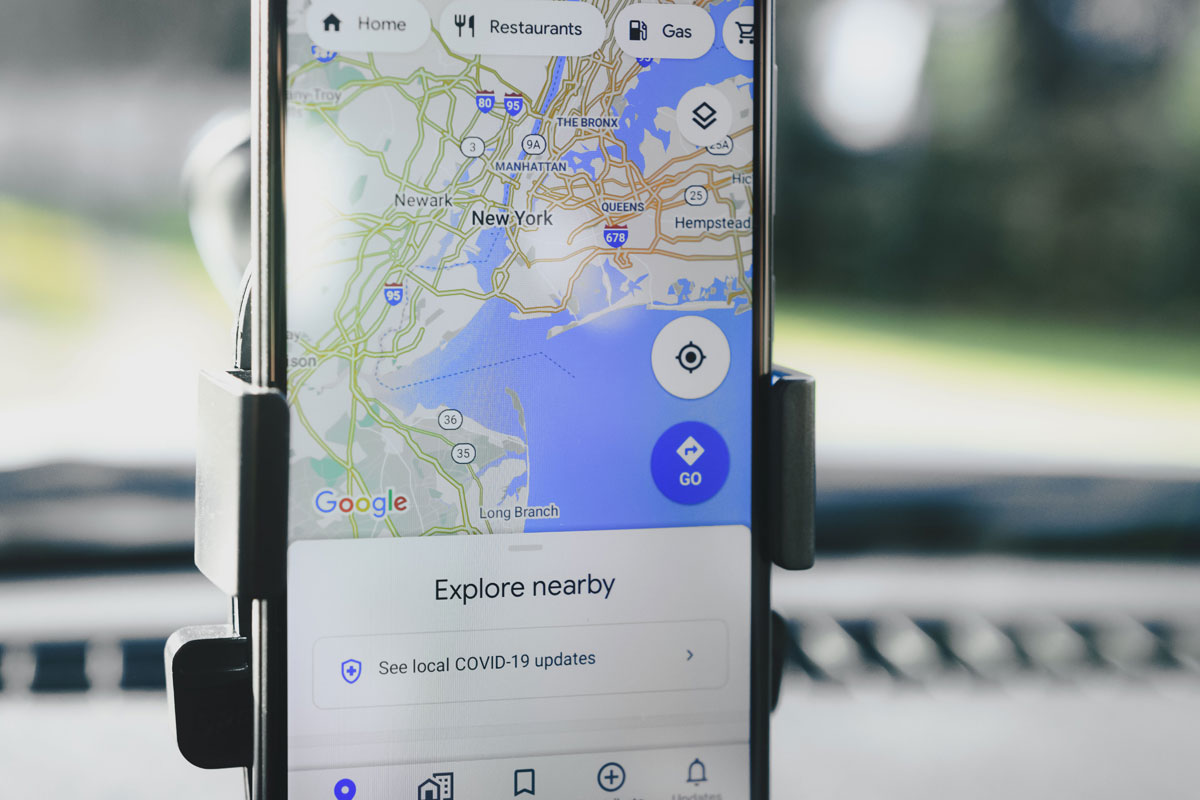
 Photo by AS Photography on Pexels
A location page can do a lot of heavy lifting for a business, but only if it feels like a real page for real people. Search engines have become much better at spotting thin, copied, or barely useful local pages, and users have become even less forgiving. When someone lands on a page for a branch, store, office, or service area, they want proof that the business actually operates there. They want details that help them decide fast.
That is where many location pages fall short. They exist, but they do not earn trust. The pages that rank tend to do something different. They give search engines enough clear signals to understand the place, while giving visitors enough useful information to feel confident taking the next step.
Search engines are trying to match a local query with the best nearby result. That sounds simple, but it depends on more than just city names and addresses. A strong location page helps by making the business easy to identify, easy to verify, and easy to compare against other results.
A page that ranks usually answers a few basic questions without making people work for them:
Those signals do not need to be flashy. They need to be consistent and easy to find. If a page buries the address in a footer, hides the phone number behind an image, or replaces local details with generic marketing copy, it weakens the page’s usefulness. Search engines notice that, and so do visitors.
The strongest location pages feel specific. Not just “our Dallas office,” but the Dallas office with the actual address, phone number, hours, parking notes, nearby landmarks, staff names when appropriate, and services offered at that location.
That kind of specificity matters because local intent is specific by nature. Someone searching for “orthopedic clinic near downtown Austin” does not want a generic company overview. They want the page for the Austin clinic, not a national service page with a map tucked underneath.
We often see pages that mention a city in the title and then never really speak to that city again. That approach used to be enough for weaker search results. Not anymore. A location page needs local substance, not just local wording.
Useful details may include:
These details help both users and search engines. For users, they reduce friction. For search engines, they strengthen the connection between the page, the place, and the query.
A location page can look polished and still fail if the business information conflicts with other sources. Search engines compare signals across the web. If the address on the page differs from Google Business Profile, Yelp, Apple Maps, or industry directories, that inconsistency creates doubt.
The same problem appears inside the site. A footer might list one phone number, the contact section another, and the local landing page a third. That kind of mismatch may seem minor, but it chips away at confidence. People notice, and algorithms do too.
We get the best results when the same core details appear the same way everywhere they should. That means consistent formatting for addresses, hours, names, and service descriptions. It also means avoiding duplicated pages with only slight wording changes for different cities. Search engines do not reward a page just because we swapped in a new city name.
Many location pages fail because they confuse “about this place” with “for this place.” A page might mention the city five times, yet still read like a generic company brochure. That does not help rankings much.
A better page reflects how that branch or office actually serves people. For example:
These are not keyword tricks. They are signs that the business understands the place it serves. That is what gives the page depth.
Some people treat location pages as utility pages and stop there. That is a mistake. Utility matters, but thin utility is easy to ignore. Search engines prefer pages that actually answer questions and help users take action.
Good location page content usually balances three things: clarity, local relevance, and usefulness. We do not need long essays on every page, but we do need enough substance to make the page feel complete.
A strong page might include:
The best pages read like they were built for people who might actually visit. That is a much better signal than filling space with paragraphs that repeat the city name in slightly different ways.
Location pages do not live alone. They sit inside a broader site, and the internal links around them tell search engines how everything fits together. If a location page links back to a relevant service page, and the service page links down to the location page, the relationship becomes clearer.
This matters especially for businesses with many locations. Search engines need help sorting out which page represents which branch, and which services belong where. A clean site structure makes that easier.
Useful internal links might point to:
The key is relevance. We want links that help users move naturally through the site, not a web of random cross-links inserted for the sake of SEO.
Some signals are practical, not glamorous. Photos of the storefront, reception area, team members, or local workspace can increase confidence quickly. People like to see that a place exists. Search engines also use visual and contextual clues to reinforce the page’s location relevance.
Maps help too, though they should not be the only local element on the page. An embedded map without supporting information does very little on its own.
Structured data, especially local business schema, can also support a location page. It helps search engines interpret key facts such as address, hours, phone number, and business type. That said, schema does not rescue a weak page. It supports a page that already does the basics well.
Think of it this way: schema tells the engine what the page means, but the page itself still has to earn attention.
A location page can gain strength from reviews, especially if they reflect the actual branch or office. Local testimonials provide social proof and often mention details that matter to searchers, such as staff responsiveness, ease of parking, or how quickly appointments were available.
Still, we should avoid turning the page into a wall of generic praise. A few meaningful testimonials usually work better than a stack of vague quotes that all sound alike.
Reputation also extends beyond the page itself. Search engines look at the broader business footprint, including:
This wider ecosystem helps reinforce the location page. A page with strong on-site content but poor off-site consistency often struggles more than businesses expect.
We have seen a pattern over and over again. A business launches dozens of location pages, each with a slightly different city name, an address, a map, and a few paragraphs of copied text. The pages may gain some visibility at first, especially in less competitive markets. Then they stall, slip, or vanish.
That happens because search engines get better at judging usefulness over time. Pages that offer little beyond a modified template do not hold up well. They do not create strong engagement, and they do not show much unique value.
The pages that last usually feel built, not assembled. They contain local details that could not be swapped out without damage. That is the difference between a page that exists and a page that deserves to rank.
People tend to trust pages that feel complete. They stay longer, click less out of frustration, and contact the business more often. Those behaviors are not magic ranking switches, but they reflect whether the page is doing its job.
If a location page makes users hunt for basic information, they leave. If it answers their questions quickly, they stay. That difference shapes performance over time.
A page that works well usually does the following without forcing effort:
Small usability issues can have outsized effects. A slow mobile page, for instance, can undermine an otherwise solid local presence. Many local searches happen on phones, often in a hurry. That context matters.
A high-ranking location page rarely looks impressive at first glance. It looks useful. That is the real advantage.
It speaks plainly. It gives location-specific facts. It reflects the actual service area. It avoids filler and duplication. It fits into the rest of the site without feeling isolated. Most of all, it gives people enough confidence to act.
When that happens, search engines have less doubt about the page, and users have less reason to leave. That combination is what makes location pages stand out in search results.


Discover our other works at the following sites:
Danetsoft is a global web agency headquartered in Indonesia, specializing in web development, managed hosting, and web publishing platform.


 [email protected]
 Magelang, Central Java
© 2026 Danetsoft. Powered by HTMLy