The buying research is exhaustive. Forums, spec comparisons, YouTube reviews, hours spent weighing torque figures against seat heights. Then the crate arrives, and most riders discover that almost nothing they read prepared them for the actual ownership experience.
The gap is not about riding skill. It is about the small operational habits that determine whether a bike stays reliable and holds its range through year three, or degrades noticeably by the end of the first season. Most of those habits are established in the first three months, largely by accident.
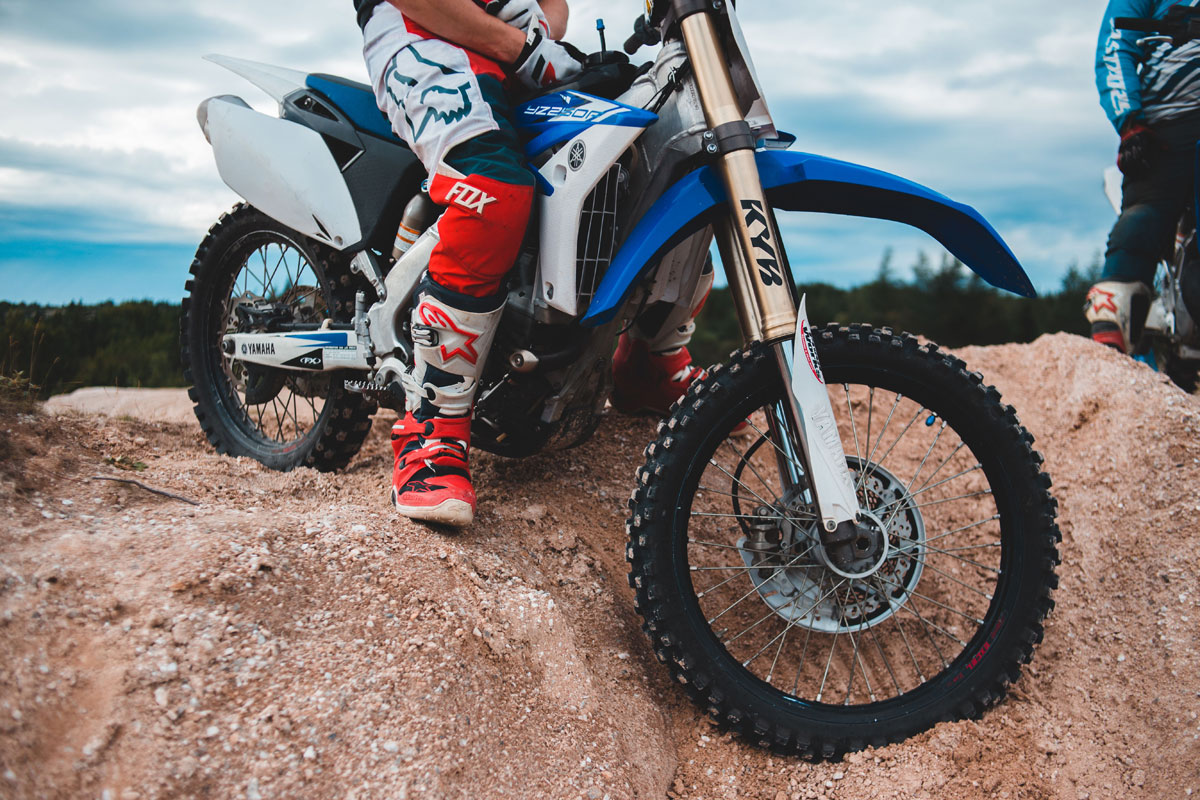 Photo by Erik Mclean on Pexels
Electric dirt bikes ship roughly 85 to 90 per cent assembled. What remains is typically the front wheel, handlebars, front fender, and mirrors if fitted. The instructions make this sound like a thirty-minute job.
It is, if you have a torque wrench. It is considerably longer and riskier if you do not.
Axle nuts, triple clamp bolts, and handlebar clamps all have specified torque values, and both under-tightening and over-tightening cause real problems. Under-torqued handlebar clamps rotate under impact, usually at the worst possible moment. Over-torqued aluminium components strip or crack. A basic click-type torque wrench costs less than a single trail-side recovery and should be considered part of the purchase.
Before the first ride, check tyre pressure against the sidewall rating rather than assuming factory settings are correct; bikes often ship over-inflated for transit. Check spoke tension by running a screwdriver across them and listening for a consistent pitch. Confirm brake lever feel is firm rather than spongy, and verify that the throttle returns fully closed on its own.
Gas engines need break-in to seat rings and bed components. Electric motors do not. But the rest of the bike absolutely does.
Brake pads need bedding: a series of progressively harder stops from moderate speed to transfer an even layer of pad material onto the rotor. Skipping this produces inconsistent braking and glazed pads that never perform correctly afterwards.
Spokes settle during the first few hours of riding and will need re-tensioning. Chain on mid-drive models will stretch measurably in the first ten hours and requires adjustment. Suspension seals benefit from a gentler first ride or two before being subjected to full-travel impacts.
A useful rule: after the first two hours of riding, go over every accessible fastener on the bike. You will find at least two that have moved.
This is where the largest difference between careful and careless owners shows up, and it is almost entirely invisible in the first season.
Lithium battery degradation is driven primarily by three things: time spent at very high state of charge, time spent at very low state of charge, and heat. None of these produces immediate symptoms, which is exactly why they get ignored.
Do not store at 100 per cent. Charging to full the night before a ride is fine. Charging to full and then leaving the bike in the garage for three weeks is not. For storage longer than a few days, 50 to 60 per cent is considerably gentler on the cells.
Do not store depleted either. A pack left near empty for months can drop below the voltage threshold where the battery management system will permit charging at all, which turns a storage mistake into a replacement.
Let it cool before charging. A pack that has just finished an aggressive hour on the trail is warm. Charging it immediately adds heat to heat. Twenty to thirty minutes of rest costs nothing and meaningfully reduces cumulative thermal stress.
Use the supplied charger. Fast chargers from other systems may present incorrect voltage or current profiles. The savings are not worth the risk.
Across bikes in this category, fast charging to around 80 per cent typically takes two and a half to three hours, which conveniently matches a lunch break if you are riding somewhere with power access. Charging that last 20 per cent takes disproportionately longer and is worth skipping unless you actually need the range.
Every new owner has the same experience on ride one: the range figure is optimistic.
This is not deception so much as methodology. Manufacturer figures are measured under favourable conditions: moderate constant speed, flat ground, light rider, mild temperature. Trail riding involves none of those. HappyRun states directly on its product pages that real-world trail riding typically delivers 25 to 35 per cent less than the listed figure, which is an unusually straightforward disclosure and matches what riders across the category report.
Practically, that means a bike rated for 75 miles gives you around 50 in genuine use. One rated for 60 gives roughly 40. Cold weather removes another 15 to 20 per cent on top of that.
Plan routes against the discounted figure, particularly on point-to-point rides. A dead battery on a loop trail means a long walk. A dead battery fifteen miles out means a very long one, pushing 300-plus pounds of bike.
Multi-mode bikes are frequently ridden exclusively in their highest setting, which is understandable and usually a mistake.
Speed modes across current bikes typically span a wide range, anywhere from 10 mph in the lowest setting up to 50 mph at the top, depending on model. Lower modes are not merely slower; they change throttle response curve, making power delivery considerably more progressive. On loose surfaces, technical climbs, or when teaching someone to ride, that gentler response produces better traction and far fewer unintended wheelies.
Lower modes also extend range substantially. A rider covering technical terrain in mode two rather than mode five may see 40 per cent more miles from the same charge, with no meaningful loss of capability for that kind of riding.
The case for electric is strong here. No oil changes, no air filters, no spark plugs, no carburettor jetting for altitude, no top-end rebuilds. What remains:
Weekly, if riding regularly: chain tension and lubrication on mid-drive models, tyre pressure, brake pad thickness, general fastener check.
Monthly: spoke tension, suspension sag, brake fluid level, connector inspection for corrosion after wet rides.
Seasonally: suspension service intervals per the manual, thorough cleaning of motor cooling surfaces, battery terminal inspection.
After every wet or muddy ride: rinse gently, avoid pressure washing bearings and electrical connectors directly, and dry the chain before re-lubricating.
Riders shopping for an adult electric dirt bike should also factor in dealer proximity during the purchase decision. HappyRun operates over 100 dealer locations across the US alongside a flagship store in Orange, California, and having local support for warranty work its bikes carry a two-year warranty matters considerably more than most buyers anticipate before they need it.
Battery safety has become the defining quality question in this category, and the marketing language around it is frequently imprecise.
UL 2849 is the relevant standard, covering battery, charger, and controller as an integrated system rather than testing components individually. Certification by an accredited third-party body, such as TÜV Rheinland, being one recognised example, means the system was actually tested rather than merely claimed compliant.
"Meets UL standards" without a named certifying body and verifiable certificate is not the same thing. Ask for the certificate number.
If there is a single pattern across riders who end up disappointed, it is treating an electric dirt bike as an appliance rather than a machine. The absence of oil changes and engine noise creates an impression of zero maintenance, and that impression is wrong by a meaningful margin.
The bikes that hold range, resale value, and reliability through several seasons belong to owners who established a fastener check routine in month one, learned sensible charging habits before degradation set in, and calibrated their range expectations against reality rather than the spec sheet.
None of that is difficult. It is just the part nobody puts in the product description.


Discover our other works at the following sites:
Danetsoft is a global web agency headquartered in Indonesia, specializing in web development, managed hosting, and web publishing platform.


 [email protected]
 Magelang, Central Java
 © 2026 Danetsoft. Powered by HTMLy