 Image by GREGOR from Pixabay
Every organization has a simple question to answer thousands of times per day: who (or what) is allowed to enter? The moment that answer is unclear, security teams add manual checks, reception calls, and ad-hoc exceptions. The result is predictable: queues at doors and gates, inconsistent logs, and higher risk.
Identification and security technology helps solve this by turning access control and vehicle identification into managed processes, not one-off decisions. Done well, it improves safety while keeping operations moving.
Access control used to be a badge reader and a spreadsheet of permissions. Today, environments are more complex:
When systems cannot keep up, organizations often see shared credentials, outdated permissions, and disconnected tools for doors versus gates. That is where blind spots appear: you may know a barrier opened, but not whether the right vehicle was authorized at that time.
A modern approach treats identity as an asset with a lifecycle: issue, update, revoke. That applies to employees, contractors, visitors, and vehicles.
Specialized providers such as Nedap Identification Systems focus on identification technologies for access control and vehicle identification, helping organizations reduce friction at entry points while improving control and auditability.
What decision-makers typically want from this kind of security technology is practical:
Hardware matters, but integration and management matter just as much. The real challenge is keeping permissions consistent across multiple sites and user types.
A scalable access control setup usually includes:
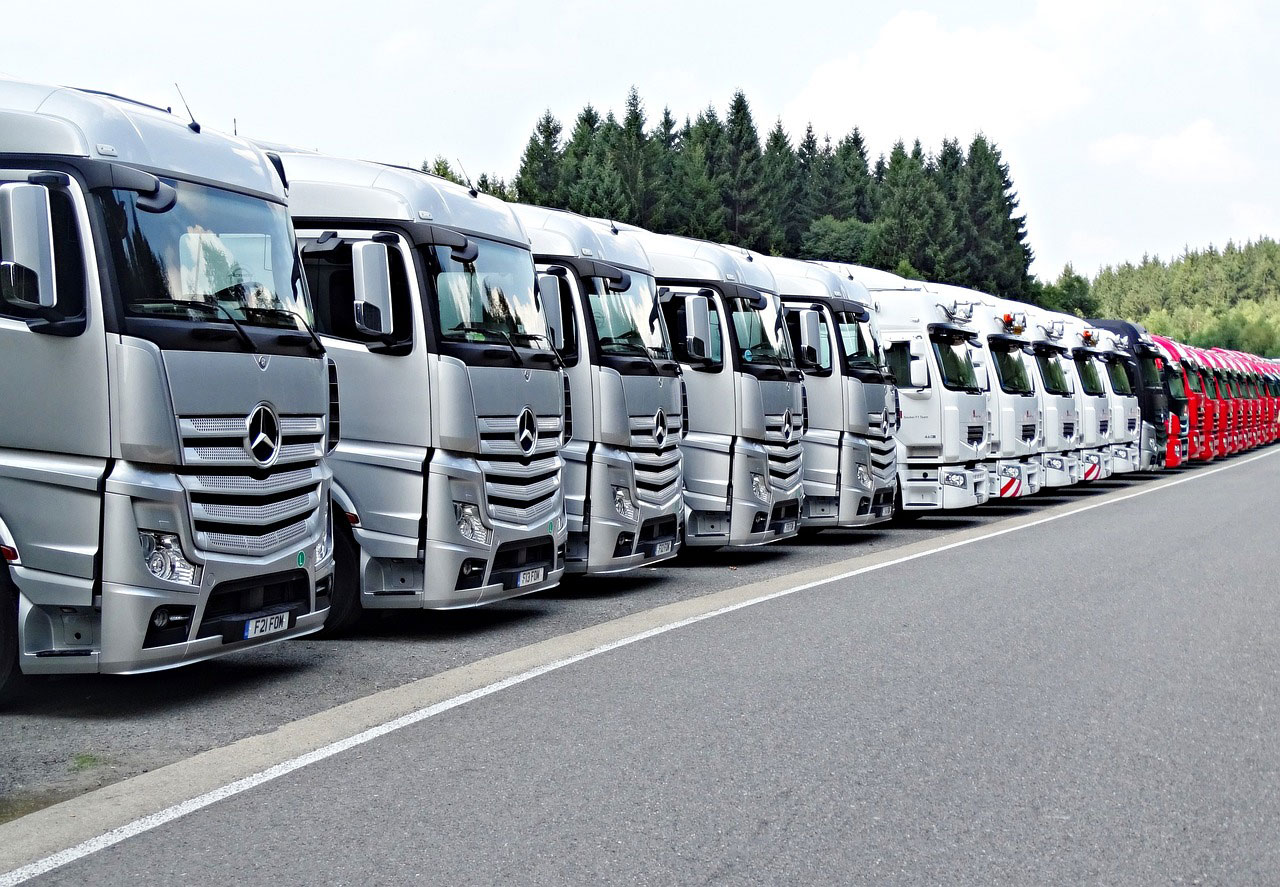
For vehicle identification, automated recognition at the perimeter can reduce queues and improve safety during peak arrival and departure windows. It also helps security staff focus on anomalies instead of routine traffic.
Access systems generate sensitive data: who entered, when, and where. To support privacy and compliance, organizations should design for:
Reliability is part of security too. If access control is down, operations can stop. Long-term support and maintenance planning should be part of any upgrade decision.
If you are planning a refresh, start with a short assessment:
Strong identification does not need to be visible to be effective. When access control and vehicle identification are managed end to end, security improves and daily work gets easier.


Discover our other works at the following sites:
Danetsoft is a global web agency headquartered in Indonesia, specializing in web development, managed hosting, and web publishing platform.


 [email protected]
 Magelang, Central Java
 © 2026 Danetsoft. Powered by HTMLy