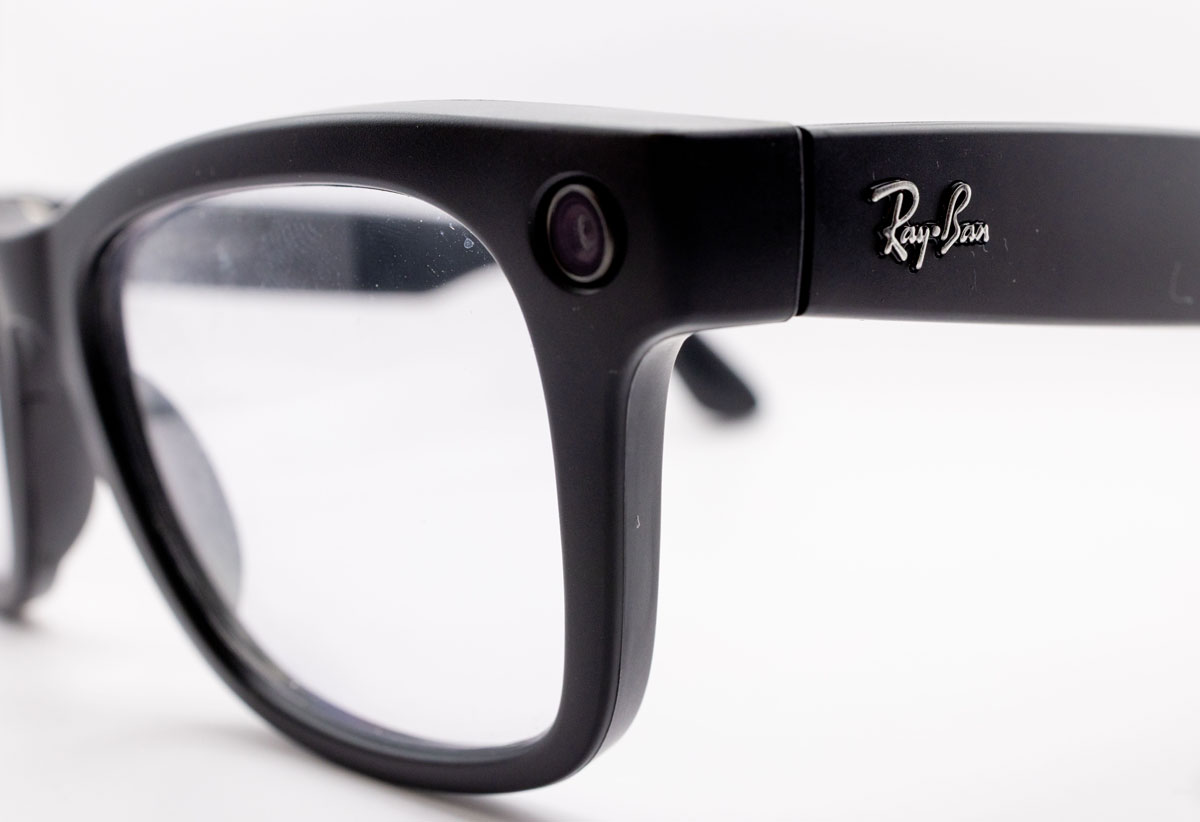
 Photo by Caleb Oquendo on Pexels
Creating digital content once required a collection of separate tools. Cameras handled photography, computers supported editing, and smartphones eventually brought many of these capabilities together.
Today, wearable artificial intelligence is introducing another way to create and interact with digital media.
Smart glasses, connected cameras, and other AI-powered accessories are making it possible to capture everyday experiences with fewer interruptions. For content creators, travelers, and casual social media users, this shift offers new opportunities to document moments as they happen.
Although smartphones remain central to digital content creation, wearable devices are expanding the ways people can capture and share their experiences.
Traditional content creation often requires users to stop what they are doing, reach for a device, open the camera, and adjust the framing.
This process works well for planned photography but can feel less convenient when capturing spontaneous moments.
Wearable technology offers a different approach.
A camera integrated into eyewear, for example, allows users to capture content from a first-person perspective. This can be useful when recording travel experiences, documenting creative activities, or capturing moments that would otherwise require holding a phone.
The advantage is not necessarily better image quality. Instead, it is the convenience of accessing a camera while remaining engaged in an activity.
For many people, that flexibility can make content creation feel more natural.
Artificial intelligence has already influenced how digital content is produced, edited, and organized.
Automated captions, image enhancement, speech recognition, and AI-assisted editing tools can help simplify tasks that previously required specialized knowledge.
Wearable devices bring some intelligent functions closer to the moment content is captured.
Voice commands, for example, can allow users to activate supported features without navigating a touchscreen.
This is particularly useful when someone is walking, cooking, exploring a destination, or participating in another activity that makes holding a phone inconvenient.
However, AI does not eliminate the importance of creative decisions. Composition, storytelling, and understanding an audience remain essential parts of producing engaging content.
One of the more interesting applications of wearable AI is first-person content creation.
Rather than observing an experience from behind a camera, creators can record from approximately their own viewpoint.
This perspective can make certain types of content feel more immediate, particularly travel diaries, tutorials, everyday routines, and behind-the-scenes videos.
Smart eyewear also demonstrates how content creation tools are becoming part of familiar accessories.
For people who already depend on corrective eyewear, options such as Ray-Ban Meta AI glasses with prescription lenses combine supported smart features with prescription lens options, reducing the need to choose between everyday vision correction and compatible wearable technology.
This integration may be especially practical for creators who want to capture occasional moments without carrying additional camera equipment.
Not everyone creating digital content considers themselves an influencer or professional creator.
Parents document family memories, travelers share their experiences, small business owners capture product demonstrations, and hobbyists record projects to revisit later.
Wearable technology can make these activities more convenient by offering additional ways to document experiences.
For example, someone working on a craft project may find a first-person recording useful for demonstrating individual steps. A traveler may want to capture a short walking video without repeatedly reaching for a smartphone.
The key is selecting the right device for the situation.
Dedicated cameras still offer advantages for advanced photography, while smartphones provide greater flexibility for editing, reviewing, and sharing content.
Wearables work best as complementary tools rather than universal replacements.
The convenience of hands-free recording introduces important privacy considerations.
Content creators should remain mindful of when recording is appropriate, particularly in shared spaces, workplaces, and situations involving other people.
A visible recording indicator can help communicate when a camera is active, but it should not be treated as a substitute for obtaining permission where necessary.
It is also important to consider where content is stored, who can access it, and whether recorded material includes sensitive information.
Responsible content creation involves respecting the people and environments being documented.
Wearable AI is helping move digital content creation toward more immediate, flexible experiences.
As hardware and software continue developing, users may gain additional ways to organize footage, interact with their devices, and move content between wearable accessories and traditional editing platforms.
The most meaningful improvements will likely be those that simplify existing tasks without introducing unnecessary complexity.
Wearable AI is changing content creation by making it easier to capture moments through devices people can use throughout the day.
For creators, travelers, and everyday users, smart accessories offer opportunities to experiment with different perspectives and document experiences more conveniently.
Rather than replacing smartphones or professional cameras, wearable technology is becoming another useful option in the growing collection of digital storytelling tools.


Discover our other works at the following sites:
Danetsoft is a global web agency headquartered in Indonesia, specializing in web development, managed hosting, and web publishing platform.


 [email protected]
 Magelang, Central Java
 © 2026 Danetsoft. Powered by HTMLy