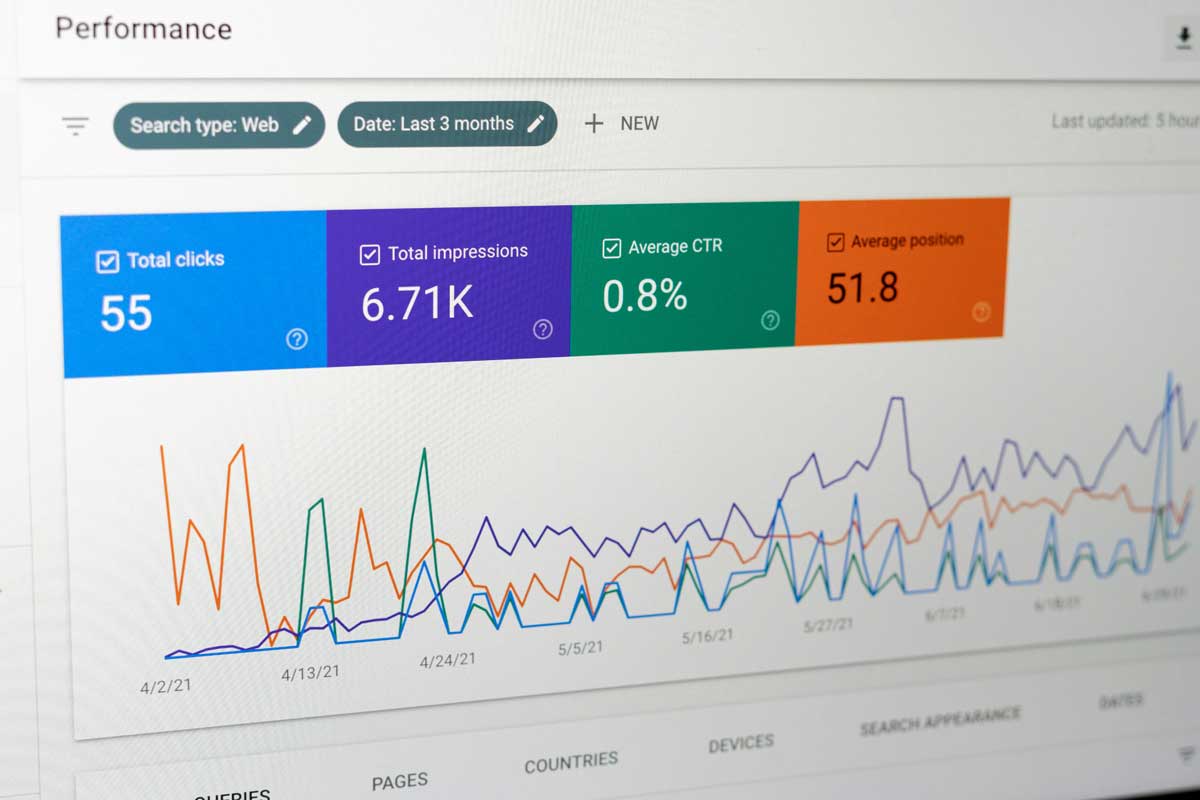
 Photo by Justin Morgan on Unsplash
A search for “Apple battery replacement” probably concerns a device, not a piece of fruit. The word battery helps a search engine connect “Apple” with the technology company and interpret what the searcher wants.
That connection is an example of entity understanding. For marketers, entity SEO means making it easier for search engines and people to understand what a business, product, person, or topic is, and how it relates to other things.
An entity is a distinct, identifiable thing or concept. It might be a person, business, product, place, event, or subject. “Jaguar” can name several entities, including a car brand and an animal species.
Search engines can connect entities through relationships. For example:
These relationships give a search engine context. A page about a jaguar that mentions “habitat,” “prey,” and “South America” is likely about the animal, even if it never uses the phrase “jaguar animal.”
Search engines do not need perfect information to make these distinctions. They interpret many signals, and their understanding can still be incomplete or wrong.
A keyword is a word or phrase someone types into a search engine. An entity is the thing or concept that phrase refers to.
For instance, “best running shoes for flat feet” is a search query. Related entities and concepts might include running shoes, arch support, overpronation, and specific shoe models.
Keyword research tells us how people express a need. Entity-focused research helps us understand the subject well enough to answer it. We still need language that matches the audience and the search intent; adding a list of related terms to a page is not a substitute for a useful answer.
Search engines draw on information from many places, including page content, links, structured data, and sources outside a company’s website. They may also use knowledge graphs, which organize information about entities and their relationships.
For marketers, the practical question is not whether we can see or control every connection a search engine makes. We cannot. The useful question is whether our public information makes those connections clear and credible.
Consider a fictional company called Northstar Analytics. Its website says it sells financial reporting software, but an old directory listing calls it a marketing agency. Several unrelated companies also use the name Northstar. Search engines and potential customers have to sort through that ambiguity.
A clear company description, accurate profiles, consistent links to the official site, and current product pages make the business easier to distinguish. They do not guarantee a knowledge panel or a higher ranking, but they reduce opportunities for confusion.
The most useful entity work often begins with the customer’s problem, not the company’s brand.
Suppose a business sells accounting software for independent retailers. A prospective buyer may be comparing inventory tracking, sales tax reports, point-of-sale integrations, and monthly costs. Those topics have relationships that matter: inventory data affects the books, and point-of-sale systems feed sales information into accounting reports.
A page that explains those connections is more helpful than one that repeatedly says “accounting software for retailers.”
We can identify the most relevant entities by looking at:
This research should shape the substance of a page. If buyers need to know how a point-of-sale integration handles refunds, a specific explanation is more valuable than a passing mention of “integrations.”
Search engines have to interpret what we publish, so direct language helps. Name the product or concept, explain what it does, and describe its relationship to other relevant things.
Compare these descriptions:
Our platform brings your business data together.
with
Northstar Analytics connects sales data from a retailer’s point-of-sale system to its financial reports.
The second version identifies the product, the source of the data, and the purpose of the connection. It is also easier for a customer to evaluate.
The same principle applies across a website. A product page can explain what a feature does, while a linked guide can show how to use it. A case study can connect the feature to a real customer’s problem, provided the customer has agreed to be named and the claims are accurate.
Avoid forcing every related term onto every page. A focused page with clear links to useful supporting material is often easier to read and maintain.
Descriptive internal links help visitors understand where to go next and help search engines discover related pages.
For example, a retailer accounting guide might link the words “track inventory costs” to a detailed inventory accounting article. That link communicates more than “click here,” because its text describes the destination.
Links should reflect real relationships. Linking every mention of “software” to the homepage does little to explain a subject and can make the page harder to read.
For branded searches, the business itself is an entity. A useful organization page should make clear who the business is, what it does, and how people can contact it. Depending on the organization, relevant details may include its location, leadership, products, and history.
Author pages can also provide context when a person’s experience matters to the subject. A financial article, for example, may benefit from a brief explanation of the author’s relevant qualifications and role. A name and job title alone do not prove expertise, so published claims should still be supported by reliable sources.
Keep important public information reasonably consistent across the website and relevant profiles. Differences are not automatically a problem, a business may use a shorter trading name in one place and its legal name elsewhere. The concern is conflicting information that makes it difficult to tell which organization a profile describes.
Third-party references can help people verify an organization or person, but they should be earned or maintained for a legitimate reason. A Wikipedia or Wikidata entry is not required for entity SEO, and creating an entry without meeting those platforms’ standards is not a reliable shortcut.
Structured data is code added to a page to describe its contents in a standard format. Schema.org provides a vocabulary for describing many kinds of entities, such as organizations, products, and people.
For example, an organization page might use structured data to identify the business name, website, logo, and relevant official profile links. A product page might describe a product and its available offers.
Structured data can make information easier for search engines to interpret, but it is not a ranking guarantee. Some types can make a page eligible for particular search features if the page meets the search engine’s requirements; eligibility does not guarantee that a feature will appear.
A marketer does not need to write the code personally. The useful work is often deciding what the page accurately represents, checking that the visible content supports the markup, and asking a developer or SEO specialist to validate the implementation. Marking up a product review that does not appear on the page, for example, creates a mismatch rather than clarity.
There is no universal metric that tells us whether entity SEO is working. Instead, connect the work to the page’s purpose and track changes over time.
For a non-branded guide, that might mean monitoring relevant search impressions, clicks, and engagement with a related product page. For a brand clarification project, it might mean checking whether branded search results show current, accurate information and whether customers can find the official site.
Search performance changes for many reasons, including competition, seasonality, and search engine updates. Record what changed and when, then compare performance with an appropriate earlier period. A clearer page may improve the customer experience even when a direct ranking effect is difficult to isolate.
The strongest evidence is usually specific: a formerly ambiguous product page now answers the questions buyers ask, links to the right supporting material, and attracts more qualified visits or conversions.


Discover our other works at the following sites:
Danetsoft is a global web agency headquartered in Indonesia, specializing in web development, managed hosting, and web publishing platform.


 [email protected]
 Magelang, Central Java
© 2026 Danetsoft. Powered by HTMLy