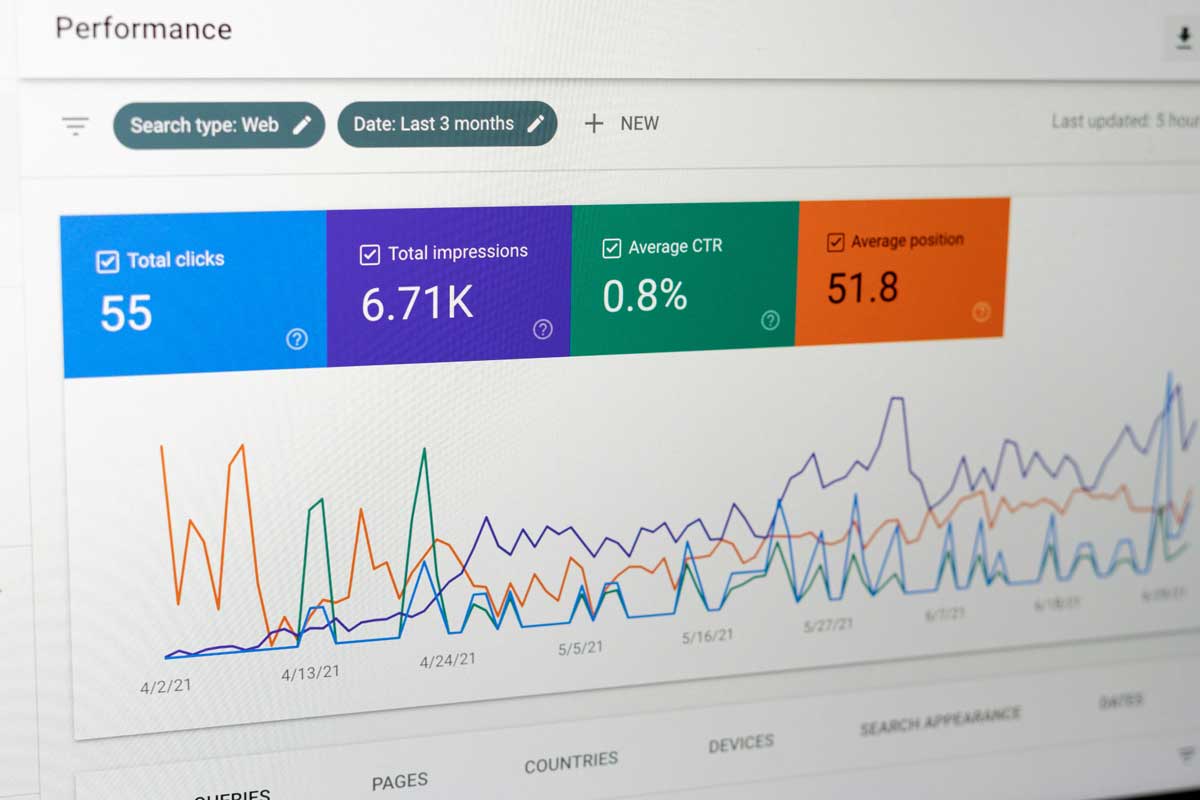
 Photo by Justin Morgan on Unsplash
If we care about SEO, we cannot afford to rely on guesswork. Rankings shift, competitors react, search results change shape, and Google keeps adjusting how it shows information. A keyword that looked stable last week may fall tomorrow, or it may start winning more clicks because of a new SERP feature. That is why rank tracking still matters, maybe even more now than it did a few years ago.
A website rank tracker gives us a clear view of where our pages stand in search, which keywords are improving, and where we are losing visibility. But a good tool does more than list positions. It helps us spot patterns, compare against competitors, measure the impact of content updates, and build smarter SEO decisions without spending half the day in spreadsheets.
In 2026, the best tools are the ones that go beyond simple rank checks. We need local tracking, mobile tracking, device data, competitor insights, and reporting that makes sense to real people, not just SEO specialists. We also need something that fits our workflow and budget.
Below, we will walk through 10 website rank tracker tools worth knowing in 2026, what each one does well, and where it fits best.
Before comparing tools, it helps to think about what actually matters now.
A strong rank tracker should give us:
Search visibility is no longer just about ranking number one. It is about understanding how often we appear, where we appear, and whether people are actually seeing us in the most valuable parts of the results page. The right tracker helps us connect those dots.
Semrush is one of the most complete SEO platforms available, and its Position Tracking feature is a big reason many teams stay with it. It gives us daily updates, visibility scores, ranking changes, estimated traffic insights, and keyword movement data in a format that is easy to use.
What makes Semrush especially useful is that it does not treat ranking data like a separate island. It ties rank tracking to keyword research, site auditing, content planning, and competitive analysis. That means we can move from “what changed?” to “what should we do next?” much faster.
For agencies or in-house teams that want one platform for many SEO tasks, Semrush can be a very efficient choice.
Agencies, in-house teams, and SEO pros who want one platform for most of their work
It can feel expensive if all we want is rank tracking and nothing more.
Ahrefs is widely respected for link data and keyword research, but its Rank Tracker also deserves attention. It gives us a clean view of keyword movement, visibility, and performance trends without making the interface feel overloaded.
One of Ahrefs’ strengths is how tidy the experience feels. We can quickly see what changed, how rankings are trending, and where opportunities might be opening up. It works especially well for teams already using Ahrefs for content or competitive research, because the tools connect naturally.
If we want clear, practical rank tracking with a polished look, Ahrefs is a strong contender.
Marketers and teams already working inside Ahrefs
It is not the cheapest option, especially if we only need the rank tracker.
SE Ranking has built a strong reputation by offering good features at a more approachable price. Its rank tracker is flexible, accurate, and easy to manage. We can track local rankings, monitor mobile results, compare competitors, and review historical changes without fighting the interface.
A lot of teams like SE Ranking because it feels balanced. It does enough for serious SEO work, but it does not overwhelm us with unnecessary complexity. For freelancers, agencies, and growing businesses, that balance can be exactly what we need.
Small and mid-sized businesses, freelancers, and agencies looking for value
Very advanced users may want deeper exports or more custom workflows.
AccuRanker is built for one purpose, tracking rankings, and it does that extremely well. It is fast, reliable, and highly focused on keyword position data. If we want a dedicated rank tracker rather than a full SEO suite, this is one of the best names in the category.
Its speed is one of the biggest advantages. AccuRanker gives us a sharp view of where our keywords stand now, which is especially useful for agencies or SEO teams that need fresh data and large keyword sets. It is a no-nonsense tool for people who care deeply about accuracy and movement.
Agencies, SEO specialists, and teams focused on rank data
We will likely need other tools for content, backlinks, or audits.
Nightwatch stands out for local SEO and detailed reporting. If we need to track rankings in specific cities, zip codes, or regions, it is a very strong choice. That makes it especially useful for businesses serving local markets, such as service providers, multi-location brands, and regional agencies.
The interface is modern and easy to follow, which matters when we need to explain SEO results to clients or team members. Nightwatch gives us strong visual reporting without turning the dashboard into a mess.
Local SEO, agencies, and location-based campaigns
It is more specialized than a broad all-in-one SEO platform.
SERPWatcher is part of the Mangools toolkit, and it is one of the most approachable rank trackers on the market. It keeps things simple, which is exactly why many beginners and small teams like it.
Instead of packing in every possible feature, SERPWatcher focuses on the essentials, rankings, daily changes, and a clear view of keyword performance. If we want something easy to understand and quick to use, it does the job well.
It also fits nicely if we already use other Mangools tools for keyword research or SERP analysis.
Beginners, freelancers, and small websites
Power users may outgrow it if they need more complex reporting.
ProRankTracker is built for detailed rank monitoring and works well for teams managing many keywords or clients. It supports tracking across devices, search engines, and locations, which makes it useful for agencies and businesses with multiple campaigns.
Its biggest strength is flexibility. We can organize large tracking projects, view the data we need, and create reports that are easy to hand off. If our SEO work spans several markets or clients, this can be a practical choice.
Agencies and teams that need scalable tracking
The interface may feel less polished than newer tools.
Wincher is a straightforward rank tracker that keeps the focus on the basics. It is easy to set up, easy to understand, and fast enough for everyday monitoring. For teams that do not want a complicated platform, that simplicity is a big advantage.
It gives us keyword movement data, visibility insights, and competitor comparisons without making us dig through layers of menus. Wincher is a good fit when we want practical SEO monitoring without unnecessary clutter.
Small businesses, startups, and teams that want simplicity
It may not satisfy teams that need advanced enterprise-style features.
Moz Pro remains a familiar and trusted name in SEO. Its rank tracking feature is useful on its own, but it also fits into a broader toolkit that includes audits, keyword research, and link analysis.
For businesses that already like Moz’s style and metrics, the rank tracking can be a dependable part of a wider SEO workflow. It may not be the most specialized tracker on this list, but it is solid, reliable, and easy to fold into ongoing site monitoring.
Teams that want rank tracking inside a broader SEO suite
Some users may prefer more specialized rank-tracking features.
Advanced Web Ranking has been around for a long time, and it is still one of the deeper rank tracking tools available. It is especially useful for agencies and larger SEO teams that need detailed reports, custom segmentation, and large-scale monitoring.
This platform is built for precision. It supports multiple search engines, devices, and locations, and it gives us enough control to shape reports around specific goals. If our SEO work depends on structured visibility data, Advanced Web Ranking is worth serious consideration.
Agencies, enterprise teams, and advanced SEO professionals
It can be more complex than smaller teams really need.
There is no single best rank tracker for everyone. The right choice depends on what we are actually trying to do.
Here is a simple way to narrow it down:
The best tool is not always the one with the most features. Sometimes the best tool is the one we will actually use consistently, understand quickly, and trust enough to guide decisions.
Search in 2026 is more dynamic than ever. Results can change by location, device, intent, and format. A page may rank differently on mobile than on desktop. A keyword may trigger a map pack, a featured snippet, or an AI-style result that changes the click pattern completely.
Because of that, rank tracking is no longer just about checking who is in position one. It helps us answer more useful questions:
When we track rankings consistently, we stop making decisions based on assumptions. That gives us a clearer way to spend time, budget, and effort.
A good rank tracker is one of the most useful tools we can keep in our SEO stack. It shows us what is happening, helps us understand why it is happening, and gives us a chance to respond before small problems turn into bigger ones.
The 10 tools above each serve a different kind of user. Some are better for large teams, some are ideal for local SEO, and some are built for simplicity. The key is choosing the one that matches our goals, our budget, and the way we like to work.
When we track rankings well, we are not just watching numbers. We are building a clearer picture of our SEO progress, and that leads to better decisions and stronger growth.


Discover our other works at the following sites:
Danetsoft is a global web agency headquartered in Indonesia, specializing in web development, managed hosting, and web publishing platform.


 [email protected]
 Magelang, Central Java
 © 2026 Danetsoft. Powered by HTMLy