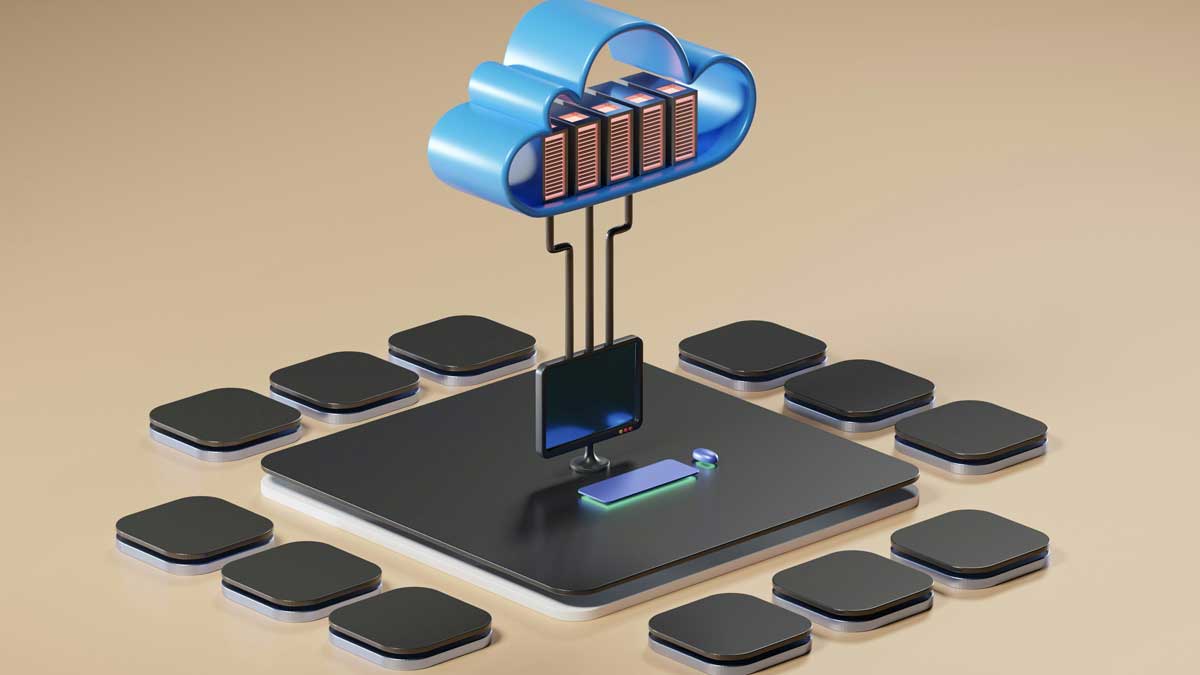
 Photo by Growtika on Unsplash
Filing information returns doesn't have to be a headache.
Businesses deal with 1099s, W-2s, and dozens of other forms annually — and the software you pick can either make or break the process. Here's the hot tax debate happening right now:
Cloud or desktop?
Either one is fine. However, choosing incorrectly can lead to wasted time, money, and headaches come filing season.
Here's the good news…
Learn how each option stacks up so you can choose the best home for your information returns.
Information returns are a big deal.
Forms such as the 1099-NEC, 1099-MISC and W-2 must be completed accurately and on time - or face the IRS coming down on you like a ton of bricks. Proper software does all the heavy lifting. It crunches the numbers, formats the forms and often times even e-files for you.
But which type of software should you actually pick?
That's where the cloud vs. desktop debate kicks in.
Despite the hype around cloud-based tools, more than 71% of companies use software that's installed on a local hard drive. That means the majority of the market still prefers reliable desktop information return software over migrating to the cloud.
Why? Because desktop still offers some key benefits for filing information returns -- which will be covered momentarily.
Cloud software has been the shiny new toy in the tax world for years.
It lives entirely in your browser. No installation. No downloads. No updating software. Just login and start creating.
Here's why some people love it:
Tax pros have discovered the power of cloud-based tax software and its amazing capabilities. The global cloud-based tax software market size is expected to reach $24.87 billion by 2025. One of the many reasons the cloud tax software industry has boomed. Growth within this industry is not expected to slow down anytime soon.
But cloud software isn't perfect…
You need a reliable internet connection. If your Wi-Fi goes out during filing season? Forget about it. Subscription fees recur and mount quickly. You pay yearly just to stay powered up.
And then you have the security question. Your information is stored on someone else's servers. Hope they don't get breached or taken offline.
Now for the underdog…
Desktop software is the traditional choice. You install it locally on your PC and it works. There's no need for internet connectivity, no monthly fees to worry about. It just works.
Here's the kicker:
Desktop applications tend to be less expensive over time. Purchase the license, use it for the year and you are done. No unexpected price increases or mandatory updates.
A few big reasons businesses prefer desktop:
Price is another consideration. Desktop applications can cost significantly less than cloud subscriptions over the long haul, which is one reason why so many organizations haven't converted.
Desktop solutions such as W-2 and 1099 Forms Filer allow high-volume filers to run reports and files at the speed of your desktop - no waiting, no connectivity delays. When you have a January deadline looming you can't put a price tag on that kind of security.
Let's talk about what really matters during tax season…
You want software that loads quickly, works consistently, and is secure. Cloud software and desktop software can both do this – they just approach it differently.
Cloud tools have encryption and off-site back ups. That is wonderful if someone steals your computer or it crashes. Your information is safe on the provider's servers.
Desktop applications put you in complete control. Your information never needs to leave your desktop unless you send it. This is great for companies who work with sensitive financial data (Social Security numbers, payroll, etc.).
Which one is right for you? That depends on how your business runs.
Cloud tools rely on someone else's infrastructure. When their server is down, so is your filing schedule. Terrifying thought when you have a hard deadline coming up in a few days.
Desktop applications avoid this issue completely. If your computer is working, your software is working. Period.
Deciding between cloud vs desktop should be simple. Ask yourself a few questions about how your business really operates.
Ask yourself:
If you're filing from multiple locations, almost all the time, cloud really shines. If you file from one location, want physical proximity to your data, and like to own software outright, desktop is the way to go.
Desktop is preferred by small business owners and accountants who prepare dozens/hundreds of 1099s and W-2s. Desktop is quick, reliable, and doesn't leave you hanging if the internet connection goes out at the worst time.
Cloud tools are ideal for larger companies with dispersed teams because they allow teams to collaborate on workloads instantly.
There's no wrong answer here.
The secret is choosing the one that aligns with how your business actually works -- not what the Twitterverse is buzzing about. Try both if possible. Most desktop apps have a free trial or demo version.
The cloud vs. desktop debate isn't going away anytime soon.
Both choices have their pros. Cloud software is flexible and collaborative. Desktop software is reliable, offers more control and has lower lifetime costs. Both can process your information returns — if they're aligned with how you work.
Here's a quick recap:
Assess your business' current information returns filing process. Then choose software that matches your needs – not the sales pitch. Filing season will be much easier.


Discover our other works at the following sites:
Danetsoft is a global web agency headquartered in Indonesia, specializing in web development, managed hosting, and web publishing platform.


 [email protected]
 Magelang, Central Java
 © 2026 Danetsoft. Powered by HTMLy