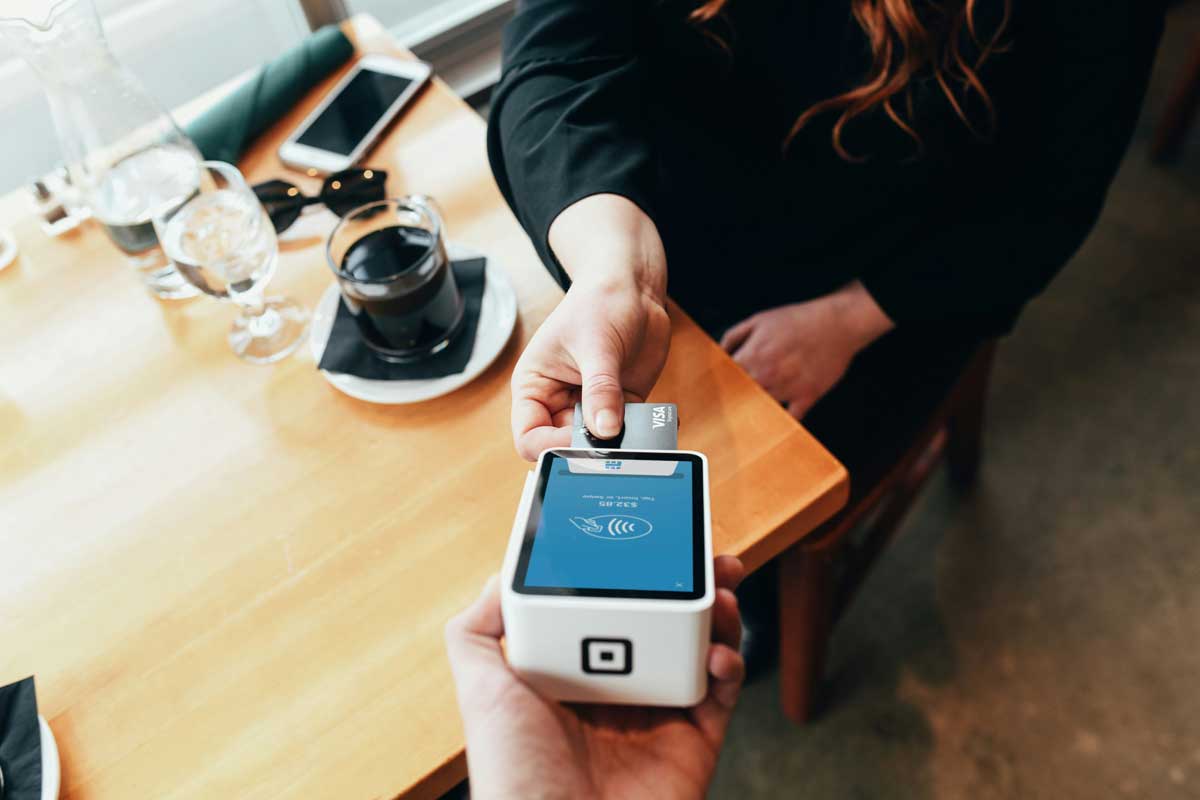
 Photo by Blake Wisz on Unsplash
New payment technologies are really dismantling traditional barriers to global e-commerce by offering merchants faster, more cost-effective ways to manage international transactions. This shift toward automated, blockchain-integrated systems is redefining how your digital storefront operates across different regions and currencies.
The digital landscape is evolving, as you require better ways to manage your money internationally without relying on archaic banking channels. In this evolving market, the xrp price usd is often monitored by those watching digital asset liquidity, which provides a benchmark for the relative value of alternative settlement options compared to traditional fiat.
As these technologies mature, you will find that modern payment rails significantly reduce friction for your international customers and really improve your bottom line.
Traditional international payments often fail you due to high fees and lengthy processing times caused by the complexity of correspondent banking. Recent data from crypto exchange Binance indicates that global stablecoin transaction volume reached $33 trillion in 2025, marking a 72% increase from the previous year.
This significant increase indicates a strong preference for digital assets that offer almost instant settlement and enhanced transparency.
Once you integrate stablecoins into your company's treasury management, the "black box" problem of intermediary banks that often skim margins via hidden currency conversion fees is solved.
These blockchain-based solutions provide a programmable layer for finance, allowing for automated compliance and real-time auditing that legacy frameworks simply cannot match.
You really can now use these digital rails to bypass the multi-day delays typically associated with legacy systems, ensuring your capital remains fluid and accessible. This shift doesn't just save money; it transforms cross-border liquidity from a logistical headache into a competitive advantage for your global operations.
Modern payment technology allows your e-commerce website to reach consumers in emerging markets where credit card usage is low. You no longer have to turn away customers in regions like Southeast Asia or Latin America just because they lack a standard bank account.
Binance reports that the number of monthly active users in decentralized finance grew by 240% year-over-year through mid-2025.
By integrating these diverse options, you directly solve the problem of cart abandonment for international shoppers and tap into a global user base that prefers mobile-first, digital-native financial tools.
One of the most immediate wins you get from cross-border tech is the elimination of unnecessary middleman costs. Every step in a traditional payment chain takes a bite out of your profits. Modern fintech infrastructure really streamlines your operations through:
Instant integration with your existing accounting and reconciliation software.
These efficiencies mean you keep more of every dollar you earn, allowing you to reinvest that capital in scaling your business rather than paying it to processing overhead.
The shift from speculative interest to structural utility is the defining trend of 2026. Market analysis from Binance Research suggests the industry has entered an infrastructure-led growth phase, with recurring usage patterns and stable settlement rails as priorities.
Large-scale financial instruments are now affecting how value is transmitted around the world, offering a degree of assurance previously available only to big banks.
By integrating multi-layered encryption and advanced cold-storage protocols, today’s digital assets really offer unparalleled resilience against systemic risks. These frameworks ensure that every transaction remains immutable and auditable, fostering a climate of trust for global stakeholders.
You can really now rely on robust, regulated payment gateways that provide the enterprise-level protection necessary for high-volume commercial operations.
Moreover, the combination of decentralized transparency and compliance standards enables you to grow your business with reduced risk, volatility and increased efficiency in a constantly changing digital economy. This new standard of custody empowers organizations to navigate the complexity of modern finance without compromising on safety.
As the world moves through 2026, the integration of on-chain money markets is really becoming the standard for global enterprises. The ability to really manage liquidity in real-time across different time zones gives you a competitive advantage that was previously impossible for smaller companies.
According to Binance, the total market capitalization of the crypto sector rose by 96.2% in 2024, creating a deep pool of liquidity that supports today’s most advanced payment protocols.
By leveraging these decentralized frameworks, your company can bypass the sluggish settlement cycles and exorbitant fees associated with legacy banking systems. This shift enables instantaneous cross-border transactions and automated treasury management via smart contracts, ensuring your capital is never stagnant.
For your e-commerce business, this translates into a future in which geographical boundaries and time zones no longer dictate how fast or how cheaply you can do business. Embracing these blockchain-native financial tools isn't just an upgrade; it is a fundamental shift toward operational resilience in an increasingly volatile digital economy.


Discover our other works at the following sites:
Danetsoft is a global web agency headquartered in Indonesia, specializing in web development, managed hosting, and web publishing platform.


 [email protected]
 Magelang, Central Java
 © 2026 Danetsoft. Powered by HTMLy