 Photo by Christiann Koepke on Unsplash
Technology is crucial to success and to improving the customer shopping experience. Retailers are using new tools, both in-store and online, to better connect with their customers. They understand that technology helps create engaging shopping experiences, improve efficiency, and increase sales.
As shopping habits change, retailers are seeking ways to stay relevant and meet customer expectations. With new technology, they can engage shoppers, simplify operations, and create a welcoming store atmosphere.
Let’s look at how to keep your retail store ahead of the curve with popular technology trends.
Smart shelves are changing how retailers manage inventory. These shelves use sensors and RFID technology to provide real-time data on product availability. Retailers can easily track stock levels, avoiding stockouts and keeping shelves organized.
Smart shelves improve the shopping experience by ensuring products are always available and neatly arranged. Retailers gain insights into shopping patterns, which helps them plan better and manage inventory without overstocking.
Digital signage software is a key technology in retail. It lets retailers display dynamic content, such as promotions or product highlights, on store screens. These visuals grab attention and deliver important messages to customers in real time.
Retailers can use digital signage to create a lively atmosphere. Since content can be updated remotely, retailers can quickly promote seasonal items, special offers, or customer testimonials. This interactive tool informs shoppers and encourages impulse purchases, helping to create stronger connections between brands and consumers.
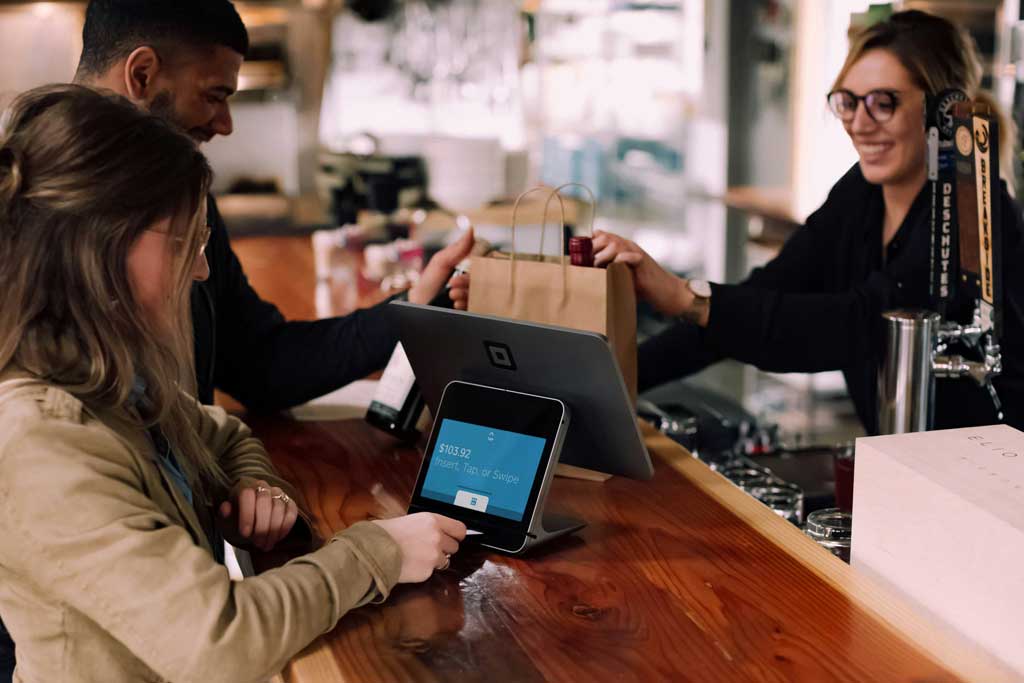
Mobile payment technology is on the rise in retail. It allows customers to pay with their phones, speeding up the checkout process and improving satisfaction.
This move to mobile payments is more about convenience than just speed. Consumers now want easier ways to shop. Retailers who accept credit cards and mobile payments can reach more tech-savvy customers, leading to increased sales and meeting customer desires.
Artificial intelligence (AI) is advancing in retail, especially for personalized marketing and customer service. Retailers use AI tools to analyze shopping behaviours, allowing them to send targeted promotions and product recommendations. This personalization helps customers feel valued.
AI chatbots and virtual assistants improve customer service by providing quick responses to questions and helping with transactions. These tools enhance communication and make shopping smoother for customers, enabling retailers to manage interactions better.
Augmented reality (AR) is a growing trend in retail. This technology helps customers see products in their own spaces before they buy. For example, furniture stores can provide apps that show how a piece of furniture will look in a customer’s home.
These experiences engage customers and boost their confidence in their purchases. Instead of wondering if a couch will fit their décor, shoppers can see it in their living rooms. This not only improves the shopping experience but also leads to better buying decisions, resulting in higher satisfaction and loyalty.
Tracking inventory can be challenging for retail businesses. Inventory management software makes this task easier. It combines sales data with stock levels, helping retailers keep the right products in the right amounts.
Accurate inventory tracking reduces waste and helps with forecasting. Retailers can respond quickly to changes in demand, promoting popular items while avoiding excess stock of less popular products. This software improves operations, saves costs, and increases profits.
Using customer relationship management (CRM) systems helps retailers gather and analyze customer data. By creating detailed customer profiles, retailers can tailor their marketing efforts to fit individual preferences. This personal touch builds loyalty and encourages repeat purchases.
A robust CRM system provides insights into shopping habits, enabling retailers to craft targeted promotions and messages that resonate with their customers. Understanding customers better leads to improved engagement and a positive shopping experience, making them feel valued by the brand. These technology trends in retail enhance operations and create better shopping experiences.
Contactless shopping solutions are becoming increasingly popular, especially in response to the demand for safer shopping experiences. This technology enables customers to shop without physical interaction, via mobile apps or self-serve kiosks. Shoppers can quickly select items, scan them, and complete their purchases without interacting with a cashier.
This innovation not only enhances safety but also caters to the growing consumer preference for convenience and speed. Retailers adopting contactless solutions can serve more customers, reduce checkout lines, and improve the overall in-store experience. Additionally, this tech reduces the risk of germ transmission, making it a win-win for both businesses and customers.
Social commerce is reshaping how retailers reach consumers and facilitate purchases. This trend involves integrating shopping features directly into social media platforms, allowing customers to discover and buy products without leaving their favourite apps. With features such as shoppable posts and in-app checkouts, retailers can tap into the vast audiences of social networks.
By leveraging social commerce, retailers can create seamless shopping experiences that connect marketing and sales. This approach not only boosts sales but also enhances brand visibility and engagement among target audiences. Social media users increasingly expect to shop where they socialize, and retailers who integrate these capabilities can foster stronger customer relationships and drive conversions.


Discover our other works at the following sites:
Danetsoft is a global web agency headquartered in Indonesia, specializing in web development, managed hosting, and web publishing platform.


 [email protected]
 Magelang, Central Java
 © 2026 Danetsoft. Powered by HTMLy