 Photo by Pongracz Noemi on Unsplash
The rise of digital nomads has changed more than the way people work, it has changed the way neighborhoods earn, adapt, and grow. As more workers carry laptops instead of office badges, towns, beach cities, historic districts, and inner-city neighborhoods are seeing a new kind of customer pass through their doors. These visitors are not typical tourists, and they are not full-time locals either. They live somewhere in between, often staying long enough to shape local spending patterns, but not always long enough to fully blend into the community.
For small businesses, this shift can feel like both a chance and a challenge. A steady stream of remote workers can fill cafes, support coworking spaces, and help local services stay afloat during slow seasons. At the same time, more demand can push up prices, change the character of a neighborhood, and make it harder for long-time residents to afford the places they once called familiar.
What makes the digital nomad effect so interesting is that it is not one simple story. In some places, nomads help revive sleepy commercial streets. In others, they contribute to overcrowding, rising rents, and a business scene that slowly starts to cater to outsiders first. The outcome depends on balance, planning, and how well local businesses can serve both newcomers and the people who live there year-round.
Digital nomads are remote workers who move from place to place while keeping their jobs. They may stay for a few weeks, a few months, or longer, often choosing locations with affordable living, good weather, strong internet, and a lively social scene. Because their work is location-independent, they tend to spend money locally in ways that go beyond the usual vacation pattern.
They do not just visit attractions and leave. They buy coffee every morning, eat lunch out, pay for laundry, rent bikes, use coworking spaces, shop for groceries, and look for comfortable places to live and work. That steady spending can be a real help to small businesses, especially those that depend on daily foot traffic.
Unlike a traveler who might buy one souvenir and move on, a remote worker can become a regular, even if only for a season. That regularity matters. A cafe owner who sees the same customer three times a week for two months can plan more confidently than if they only saw a passing tourist once. For many small business owners, that kind of predictable spending is worth a lot.
The first and most obvious effect of digital nomads is added income. When a neighborhood becomes attractive to remote workers, several types of businesses often feel the boost quickly.
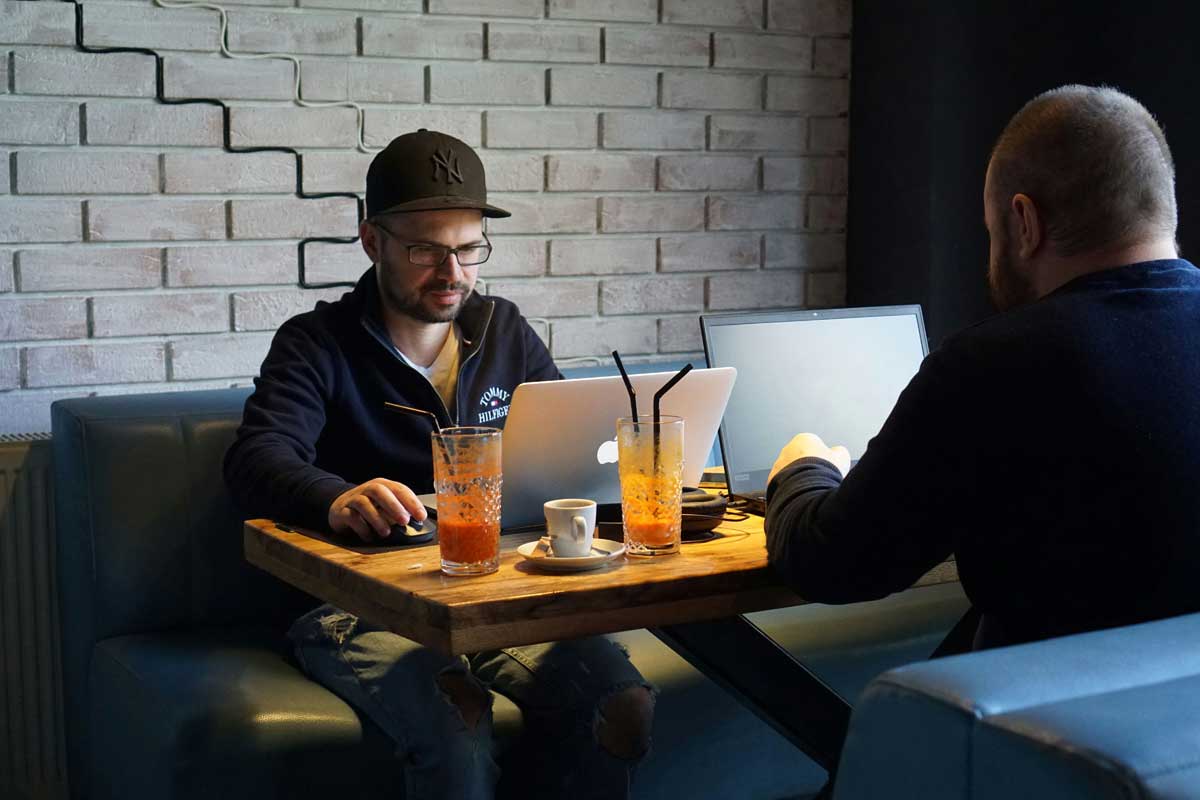
Many remote workers look for places where they can work for a few hours with coffee, snacks, and decent Wi-Fi. That means cafes can see stronger weekday business, especially during hours that used to be slow. A restaurant that once had quiet mornings may suddenly see a wave of laptop users ordering breakfast, lunch, and refill after refill.
This can be a big deal for small operators. Weekday traffic helps cover fixed costs like rent, utilities, ingredients, and wages. When those empty seats are filled, the business becomes more stable.
Digital nomads often cook at home part of the time, which creates demand for groceries, fresh produce, bakery items, and household essentials. Local markets that sell fruit, vegetables, bread, and everyday goods can benefit from repeat visits. Some nomads also prefer shopping locally rather than relying on large chain stores, especially in places where the local market feels more authentic and convenient.
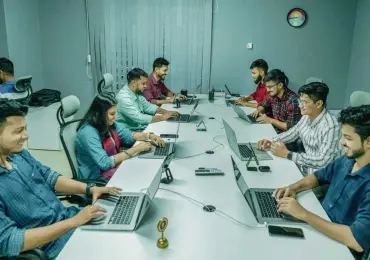
Remote workers often need work-friendly places outside their homes, which helps coworking spaces, internet cafes, printing shops, and office supply stores. Coworking software can also help these spaces manage growing demand, memberships, bookings, and day-to-day operations more efficiently. They may also spend money on bike rentals, laundry services, gyms, yoga studios, massage businesses, and transportation services. This creates a wider spending circle than many small towns see from ordinary tourism.
Digital nomads are usually connected to online communities, social media groups, blogs, and review platforms. When they like a business, they often share it quickly. A good coffee shop, a reliable tailor, or a friendly repair service can gain a lot of attention through simple recommendations.
This kind of exposure is valuable because it can bring in both visitors and locals. A small business that earns a strong online reputation among remote workers can often use that visibility to grow in other directions too.
Even though digital nomads can bring money into a local economy, the impact is not always fair or sustainable. When too many remote workers arrive in one area, or when neighborhoods become too dependent on them, problems can start to appear.
Housing is usually the first pressure point. If many nomads want short-term or medium-term rentals in the same neighborhood, landlords may raise prices. That can make it harder for local workers and families to live nearby.
The same thing can happen with commercial rents. If cafes, shops, and apartments see stronger demand from higher-earning outsiders, the cost of doing business may rise. Family-owned stores and long-time tenants may struggle to keep up. In some cases, businesses that have served the same community for decades are forced to close or move.
A place can lose some of its original character when businesses begin to serve visitors more than residents. This does not always happen overnight. Often, it begins slowly, with cafes changing their menus, stores adding more imported goods, and signs switching to English or other widely spoken languages.
That can be convenient for digital nomads, but it may leave local residents feeling like their own neighborhood is becoming harder to recognize. When the same streets begin to look and function like every other remote-work hotspot, something important is lost.
Not every small business gains equally from the digital nomad presence. Cafes, bars, coworking spaces, convenience stores, and trendy food spots may see strong gains. But businesses that rely on long-term trust, such as hardware shops, repair services, barbers, and neighborhood grocers, may not get the same boost.
These businesses often depend on deep local relationships rather than short-term traffic. If the customer mix changes too much, they may not see much benefit at all, even while costs go up around them.
Many businesses do not simply wait for change, they adjust to it. In places where digital nomads are common, the most resilient small businesses often make smart, practical updates.
A strong internet connection is no longer a luxury for many cafes, it is part of the product. Remote workers need reliable Wi-Fi, enough power outlets, and seating that works for longer stays. Businesses that want to welcome them often upgrade these basics.
Other common improvements include:
These changes can make a place more attractive to nomads while still serving regular customers.
The smartest businesses usually avoid becoming too dependent on one group. If a cafe turns into a full-time laptop lounge, it may frustrate people who come for meals and conversation. If a shop focuses only on visitors, it may lose the support of the local community.
A better approach is balance. For example, some cafes reserve a few laptop-friendly tables while keeping other areas for diners. Some stores offer products that appeal to remote workers without replacing the items locals rely on every day. This kind of flexibility helps a business stay relevant in a changing neighborhood.
Even in a digital, mobile economy, human connection remains powerful. Digital nomads are more likely to return to businesses where staff remember their names, offer honest advice, and make them feel welcome. At the same time, locals also notice when a business builds a real community presence.
A small business that treats everyone well, visitors and residents alike, is often the one that lasts. Remote workers may come and go, but good service leaves a lasting impression.
The influence of digital nomads reaches beyond individual cafes or shops. It can reshape the flow of money across an entire district.
When a place becomes popular with remote workers, business may spike quickly. That sounds good at first, and often it is. More customers mean more revenue, more tips, and in some cases, new hiring. But if too much of the local economy depends on this new group, a sudden drop in arrivals can create problems.
A neighborhood built around nomads may struggle during off-seasons, policy changes, or global travel slowdowns. Businesses that expanded to meet demand may suddenly face empty seats and lost revenue. That is why diversity in the customer base matters so much.
On the positive side, digital nomads can spark entrepreneurship. When people with different habits and expectations move into a neighborhood, local owners often notice gaps in the market. We may see new kinds of cafes, better internet services, healthy lunch spots, language classes, design studios, and flexible rental businesses.
This can be a creative force. Local entrepreneurs may modernize their operations, experiment with menus, improve branding, or launch services that would not have existed otherwise. In that sense, the presence of remote workers can encourage innovation, not just consumption.
The goal is not to stop digital nomads from arriving. The goal is to make sure their presence supports the community instead of overpowering it. That requires thoughtful planning from business owners, property owners, and local leaders.
If housing costs rise too quickly, the effects spill into every part of community life. Workers have longer commutes, families are pushed out, and nearby businesses lose their local customer base. Keeping housing accessible is one of the most important ways to preserve neighborhood stability.
Small businesses need room to survive. If rents rise beyond what local entrepreneurs can pay, only larger or more tourist-focused businesses can stay. That narrows the mix of shops and services, and makes the area less interesting and less resilient.
When communities plan for remote-work growth, local residents need a say. Decisions about zoning, short-term rentals, public space, and transportation all affect how nomads and locals share the same area. If planning only serves the new arrivals, the neighborhood can lose its balance very quickly.
Coworking spaces, neighborhood cafes, and mixed-use streets can help different groups interact naturally. When digital nomads and locals share the same spaces, they are more likely to support the same businesses and build mutual respect. This is one of the best ways to keep a neighborhood from splitting into separate worlds.
The digital nomad trend is not a passing curiosity, it is part of a larger shift in how people live and work. Remote work has made it easier for income to move across borders, across cities, and across cultures. That can be good for local economies, but only if the growth is managed with care.
Small businesses are often the first to feel these changes. They are flexible, personal, and closely tied to the neighborhoods they serve. That makes them powerful indicators of whether a place is thriving or being stretched too thin.
If local businesses can welcome digital nomads without losing their identity, everyone can benefit. Visitors get good service and memorable experiences, while residents keep the shops, cafes, and services that make their neighborhoods feel like home.
Digital nomads bring real energy to local small businesses. They spend money daily, support service providers, and help fill quiet hours that might otherwise go unused. They can also introduce new ideas, new customers, and new opportunities for growth.
But the benefits are not automatic. Without balance, rising prices and changing neighborhood identity can create serious pressure on the very businesses and residents that made the area attractive in the first place.
The healthiest outcome comes when communities make room for both movement and stability. When remote workers, local owners, and residents share the same streets with care and respect, small businesses can grow without losing their roots.


Discover our other works at the following sites:
Danetsoft is a global web agency headquartered in Indonesia, specializing in web development, managed hosting, and web publishing platform.


 [email protected]
 Magelang, Central Java
 © 2026 Danetsoft. Powered by HTMLy