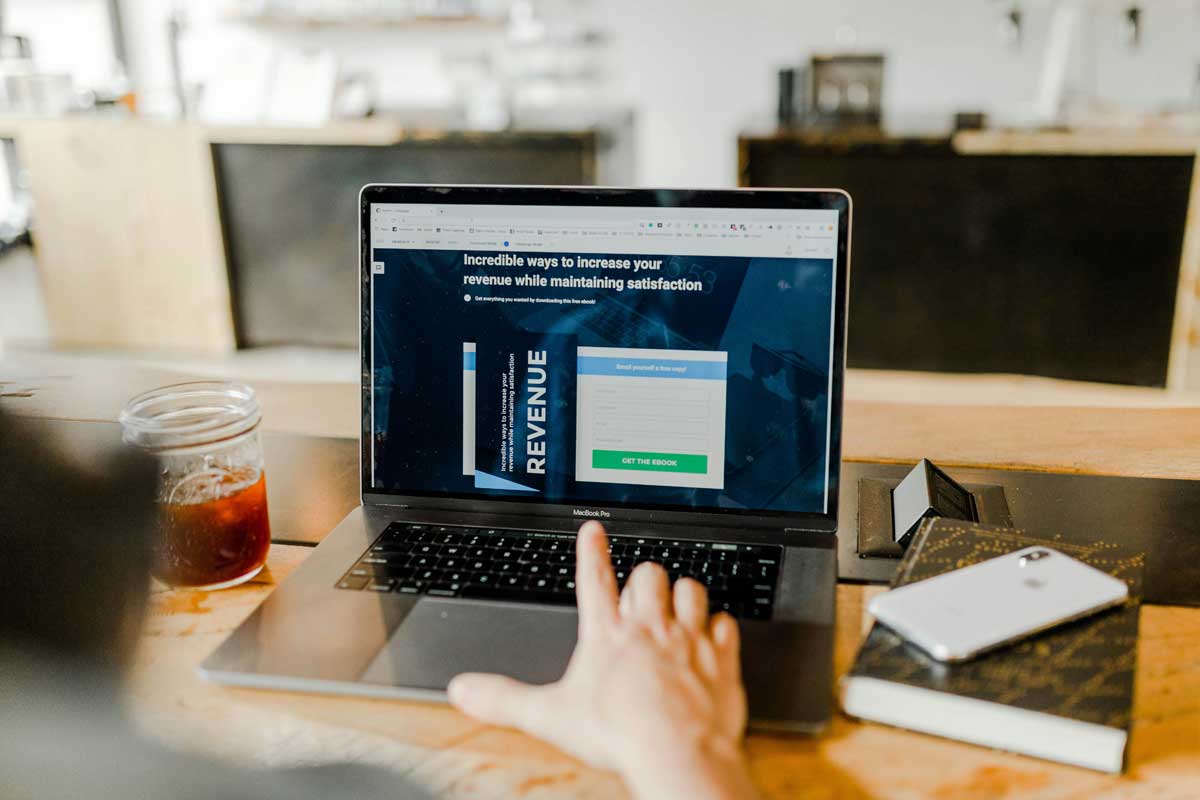
 Photo by Austin Distel on Unsplash
In 2026, small businesses are thinking more seriously about recurring revenue. That is not because subscriptions are trendy, but because they solve a real problem. One-time sales can be unpredictable, and that makes planning harder than it needs to be. A subscription model gives us a way to create steadier income, better customer loyalty, and a business that feels more stable month to month.
Subscriptions are no longer limited to software, streaming, or big consumer brands. We see them in local services, retail, food, wellness, education, and consulting. The idea is simple, customers pay on a regular schedule for continued access to a product, service, or benefit. What makes this model so useful is how flexible it can be. It can fit a neighborhood coffee shop just as well as a bookkeeping firm or a pet supply store.
The real question is not whether subscriptions work. It is which kind of subscription fits the business and how we build it in a way customers actually want to keep.
Small businesses have always needed predictable cash flow, but in 2026 that need feels even sharper. Costs move quickly, competition is everywhere, and customers have more choices than ever. When revenue is spread across recurring payments instead of only one-off purchases, we get a clearer picture of where the business stands.
That kind of predictability helps in more ways than one. It makes budgeting easier. It gives us a better sense of staffing needs. It can reduce the panic that comes with slow weeks or seasonal dips. Instead of starting each month at zero, we begin with a base of revenue already in place.
Subscriptions also give us more chances to build a relationship with customers. Each billing cycle becomes another touchpoint. That means more opportunities to understand what people value, fix friction points, and create a better experience over time. In a market where loyalty is hard to win, that matters.
Not every subscription looks the same, and that is a good thing. The best model depends on what the business sells and how often customers need it. A smart subscription feels natural, not forced.
These are a strong fit for goods people use regularly or replace often. Coffee, pet food, skincare, razors, supplements, snacks, and office supplies all work well here. The appeal is convenience. Customers do not have to remember to reorder, and we get repeat business without restarting the sale each time.
For small businesses, product subscriptions can also reduce demand swings. Instead of relying only on random purchases, we can build a base of returning customers who buy on a schedule.
Many service businesses now package their work as a monthly or quarterly plan. Cleaning, bookkeeping, design support, lawn care, IT help, maintenance, coaching, and marketing services can all work this way. Instead of billing for a single project or visit, we provide ongoing support.
This model can be a win for both sides. Customers like knowing help is always available, and we benefit from more stable income. It also encourages us to think about the long term, not just the next invoice.
Memberships are a bit different from direct product or service subscriptions. The value often comes from access, community, or special perks. Gyms, coworking spaces, clubs, educational communities, and local business groups often use this approach.
A good membership makes people feel included. It gives them a reason to stay connected, not just keep paying. That social and emotional element can be powerful when the business wants to create loyalty beyond the transaction.
Tiered plans are useful when customers have different needs or budgets. A basic option, a standard option, and a premium option let people choose what fits them best. This works especially well when the value can be scaled without making the offer confusing.
Tiered pricing also helps us serve more than one type of customer. Someone may start small and upgrade later as their needs grow. That creates room for expansion without needing to sell a whole new product.
Some businesses charge a recurring base fee plus extra based on how much the customer uses. This model can make sense for tools, printing, logistics, storage, and services where demand changes from month to month.
The advantage is flexibility. Customers are not locked into paying for something they barely use, and we still have a recurring relationship to build on. The key is keeping the pricing easy to understand, so people do not feel surprised by the bill.
Customer expectations are higher than they used to be. People want value, but they also want clarity and control. A subscription that feels confusing or restrictive will not last long, no matter how good the idea seems on paper.
We cannot assume people will stick around while they try to figure out the benefit. The value needs to be obvious from the start. Customers should know what they are getting, how often they get it, and why it helps them.
If the offer saves time, reduces stress, cuts costs, or solves a recurring problem, we should say that clearly. People do not buy a subscription because of the billing schedule, they buy because the outcome matters to them.
Complicated pricing tends to slow people down. If there are too many tiers, add-ons, or fine print details, customers may walk away before they sign up. Clean pricing builds confidence. It also makes the business easier to run.
The best subscription offers are usually the ones people can understand in a few seconds.
This may seem counterintuitive, but easy cancellation often builds trust. Customers feel more comfortable subscribing when they know they are not trapped. Some businesses also benefit from pause options, which let customers step away temporarily instead of leaving for good.
That flexibility can reduce friction and strengthen the brand. When people feel respected, they are more likely to come back.
The first few days matter a lot. If customers sign up but never fully understand how to use the service, they may cancel before they see real value. Strong onboarding helps close that gap.
That could mean welcome emails, short setup guides, product tips, a first-use checklist, or a personal follow-up. Whatever the format, the goal is simple, help customers get value quickly.
The best subscription model is the one that matches how the business already works. We should not force recurring billing into a business that does not have a repeat need. Instead, we should look for patterns in customer behavior.
A few questions help guide the decision:
If the answer to those questions is mostly yes, a subscription may be a smart fit. If not, a different model may serve us better.
The strongest subscriptions solve an ongoing problem. That problem might be practical, like needing regular cleaning or supplies. It might be emotional, like wanting community or peace of mind. It might be financial, like wanting a better price in exchange for commitment. The more clearly we understand the need, the stronger the offer becomes.
A subscription model can be powerful, but it is not a shortcut. If we rush into it without a plan, it can create more problems than it solves.
When the subscription has too many moving parts, people tune out. Too many tiers, too many rules, too many exceptions, and the whole thing starts to feel like work. Simplicity usually wins because it feels easier to trust.
Churn is part of the subscription world, but it should never be ignored. Some customers will leave, and that is normal. The issue comes when the business stops paying attention to why they leave or how often it happens.
If churn grows quietly, it can undo all the effort put into acquisition. That is why retention deserves just as much attention as sign-ups.
A subscription that sounds amazing but delivers average results will not last. Customers compare expectations with reality every billing cycle. If the value falls short, they cancel.
It is better to make a solid promise and exceed it than to oversell and disappoint. Trust is easier to keep than to win back.
A subscription is not just a billing system. It is an ongoing relationship. Every interaction matters, from the first email to the support process to the way renewal feels. If the experience is clumsy, customers notice.
A good subscription should feel smooth, useful, and worth keeping.
Running a subscription business used to require a lot of manual work. That is much less true now. In 2026, small businesses have access to tools that make recurring billing and customer management far easier than before.
Recurring payment systems can handle renewals, reminders, retries for failed payments, and invoice tracking with very little manual effort. For businesses looking to offer more flexible payment options, comparing B2B BNPL companies can also help identify solutions suited to their customers and cash-flow needs. That saves time and reduces missed revenue. It also makes the business look more professional.
Self-service portals are now a big part of a good customer experience. Subscribers can update their card details, change plans, pause service, or review their billing history without needing to contact support. That convenience matters.
Modern tools give us much better visibility into what is happening behind the scenes. We can see who is staying, who is leaving, and how long customers remain subscribed. That data helps us make better decisions and adjust the offer before problems grow.
A good subscription should not feel generic. With the right tools, we can tailor communication, recommendations, and reminders based on customer behavior. The goal is not to be creepy, the goal is to be relevant.
Selling a subscription is different from selling a single product. We are asking for an ongoing commitment, so the message has to do more than create interest. It has to create confidence.
Customers care about the result, not the billing cycle. We should focus on what the subscription helps them do, whether that is saving time, cutting costs, staying healthy, reducing stress, or getting better service.
Trials, sample boxes, and introductory discounts can help people try the service. But they only work if the value shows up quickly. If the experience is slow or unclear, free users may never become paying ones.
Testimonials, reviews, referrals, and case studies matter a lot in subscription selling. People want reassurance before they commit. Real customer experiences are often more convincing than polished marketing copy.
Once someone subscribes, the relationship should not go quiet. Helpful updates, usage tips, reminders, and relevant offers keep the subscription alive in the customer’s mind. That ongoing communication can reduce cancellations and encourage upgrades.
Recurring revenue is the headline benefit, but it is not the only one.
When customers stay longer, their lifetime value grows. That can make acquisition spending more worthwhile. A customer who stays twelve months is far more valuable than one who buys once and disappears.
Subscriptions can also improve planning. Knowing roughly how many active customers we will serve helps with inventory, staffing, and scheduling. That often means less waste and fewer surprises.
There is also the bigger picture. Businesses with predictable recurring revenue often look more stable to lenders, investors, and future buyers. That stability can increase confidence in the business as a whole.
A subscription model only works if it keeps working. The first sale is not the finish line. It is the start of a relationship that needs care, consistency, and regular value.
The businesses that do well with subscriptions in 2026 are the ones that keep things simple, stay focused on customer needs, and adapt when behavior changes. They do not treat the model like a trick to boost sales. They treat it like a service customers can rely on.
That mindset makes a huge difference. Recurring revenue gives us structure, but trust gives us staying power. When both are in place, a subscription can become one of the strongest tools a small business has for long-term growth.


Discover our other works at the following sites:
Danetsoft is a global web agency headquartered in Indonesia, specializing in web development, managed hosting, and web publishing platform.


 [email protected]
 Magelang, Central Java
 © 2026 Danetsoft. Powered by HTMLy