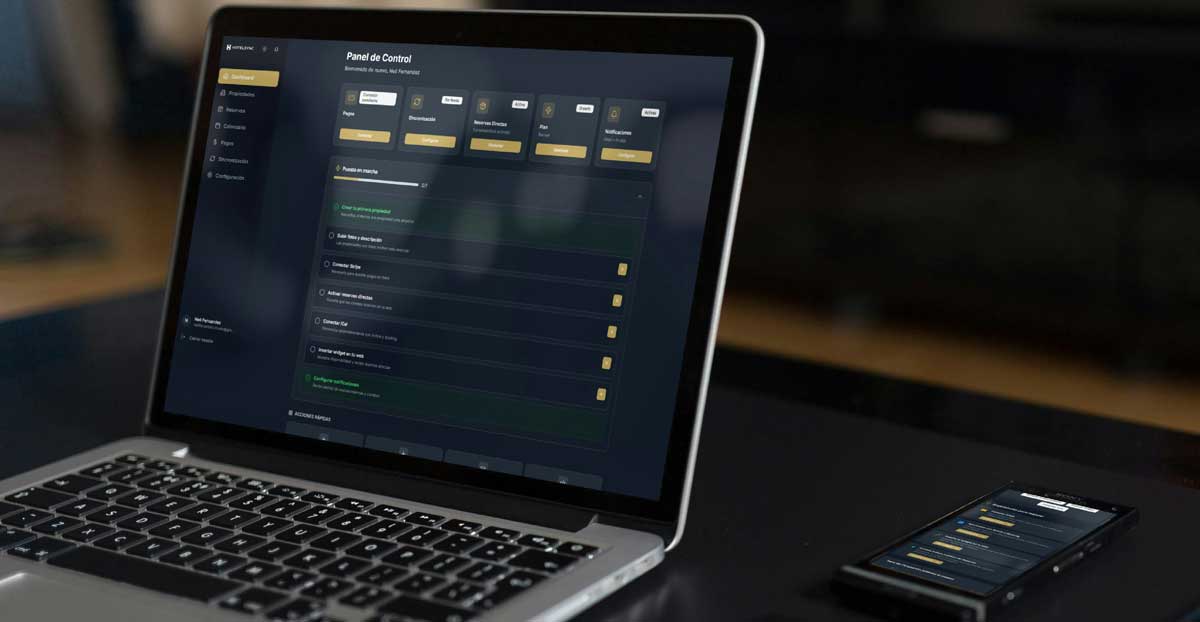
 Photo by Neil Fernandez on Unsplash
Small spas are facing growing pressure to deliver seamless, personalized experiences while managing increasingly complex day-to-day operations. Clients now expect easy online booking, tailored services, and consistent communication, while spa owners must coordinate schedules, staff, inventory, and payments—all often with limited resources. At the same time, the global spa and wellness market is projected to exceed $185 billion by 2027, reflecting rising demand and intensifying competition among providers.
Digital tools have become essential for meeting these expectations efficiently. Modern spa management software helps automate bookings, streamline operations, and centralize customer data, enabling small businesses to operate with the same level of professionalism as larger chains. According to industry insights, businesses that adopt digital scheduling and CRM tools can reduce no-shows by up to 30% and improve client retention through personalized engagement.
However, small spas must carefully balance the need for advanced functionality with budget constraints. Investing in affordable, scalable solutions allows them to improve service quality without overextending resources. The right software not only enhances operational efficiency but also creates a stronger foundation for growth, helping small spas stay competitive in an increasingly digital and customer-focused market.
Modern spa management software is designed to streamline daily operations while directly contributing to revenue growth, efficiency, and customer satisfaction. Instead of relying on fragmented tools or manual processes, spas can centralize key functions into one system that supports both staff productivity and client experience. The most valuable features are those that reduce friction in operations while unlocking opportunities for upselling and better decision-making.
Appointment Scheduling and Calendar Management
Efficient spa scheduling is the foundation of spa operations. A strong system allows clients to book, reschedule, or cancel appointments easily online, reducing phone traffic and administrative workload. Automated reminders via email or SMS help minimize no-shows, while intelligent calendar views allow staff to optimize therapist availability and room usage. Many platforms also support waitlists and dynamic booking adjustments, ensuring maximum occupancy throughout the day.
Client Management (CRM)
A built-in CRM helps spas deliver personalized experiences by storing detailed customer profiles. This includes visit history, service preferences, allergies, spending patterns, and feedback. With this information, staff can tailor recommendations and offer targeted promotions or loyalty incentives. Over time, this leads to stronger client relationships, higher retention rates, and increased lifetime value per customer.
Payment Processing
Integrated payment systems simplify transactions by combining invoicing, card payments, and digital wallets within a single platform. This reduces manual accounting errors and speeds up the checkout process. Many systems also support prepayments, deposits, and package purchases, which improve cash flow and reduce cancellations. Basic financial reporting tools give managers visibility into daily revenue performance without needing separate accounting software.
Inventory Tracking
Inventory management ensures that essential products and supplies are always available when needed. The system tracks usage in real time, helping managers avoid overstocking or shortages that could disrupt services. It can also generate alerts for low stock levels and provide insights into product consumption trends. This improves cost control and supports smarter purchasing decisions, especially for retail products sold within the spa.
Even affordable spa management platforms now include advanced features that were once available only in enterprise-level systems. These tools help smaller and mid-sized spas compete effectively by automating key processes, improving marketing performance, and providing actionable insights without requiring large investments in IT infrastructure.
Online Booking and Mobile Access
Modern systems offer 24/7 online booking, allowing clients to schedule appointments anytime without calling the reception. Mobile-friendly access further improves convenience, enabling customers to book, reschedule, or cancel visits from their phones. This self-service approach reduces front desk workload, minimizes scheduling errors, and helps maximize occupancy rates by filling available time slots more efficiently.
Marketing Tools
Built-in marketing features allow spas to run targeted email campaigns, send promotional offers, and manage loyalty programs directly from the platform. These tools help businesses re-engage inactive clients, promote seasonal packages, and encourage repeat visits. By using customer data from the system, spas can deliver more relevant offers, increasing conversion rates and overall customer lifetime value.
Staff Management
Staff scheduling and performance tracking tools simplify workforce management. Managers can assign shifts, monitor attendance, and track individual performance metrics such as service volume and sales contributions. Commission tracking ensures transparency and motivates staff to upsell services or retail products, directly supporting revenue growth while maintaining operational balance.
Basic Analytics and Reporting
Even entry-level systems provide reporting dashboards that highlight key business metrics such as daily revenue, most popular services, peak booking times, and customer retention rates. These insights help spa owners make informed decisions about pricing, staffing, and promotions without needing complex data analysis tools. Over time, this data becomes a foundation for more strategic planning and revenue optimization.
Selecting the right spa management software is not only about cost, but about balancing affordability with long-term scalability, integration potential, and operational efficiency. Using a software cost calculator can help businesses better estimate initial investment and ongoing expenses. The goal is to invest in a solution that supports growth without creating technical limitations later. Modern spa businesses increasingly prioritize flexible, cloud-based systems that reduce upfront investment while improving accessibility and automation.
Cloud-Based vs. On-Premise Tools
One of the most important decisions is choosing between cloud-based and on-premise systems. Cloud solutions are typically more cost-effective because they require lower upfront investment, automatic updates, and minimal infrastructure maintenance. They also offer remote access, which is especially valuable for multi-location spas or managers who need real-time visibility. In contrast, on-premise systems provide more control over infrastructure but often involve higher setup costs, ongoing IT maintenance, and limited scalability. Industry analysis consistently shows that cloud platforms are preferred for their flexibility and easier expansion as businesses grow.
Flexible Pricing Models
Cost-effective spa software often uses subscription-based pricing models tailored for small and medium-sized businesses. These plans allow spas to pay monthly or annually based on usage, number of staff, or features required. This reduces financial pressure at the start and makes it easier to scale up as demand increases. Many platforms also offer tiered pricing, enabling businesses to start with essential features like booking and payments, then gradually unlock advanced tools such as marketing automation or reporting.
Integration Capabilities
A scalable solution must integrate smoothly with other core systems such as POS platforms, accounting tools, CRM systems, and online booking engines. Strong integration capabilities eliminate data silos, reduce manual work, and ensure consistent reporting across operations. APIs and pre-built connectors are particularly valuable because they allow spas to build a connected ecosystem without expensive custom development. This interoperability is key to maintaining efficiency as the business expands.
Custom Development Options
When off-the-shelf solutions are not enough, custom development becomes a strategic advantage. Companies like COAX Software help spas build tailored, scalable platforms that align precisely with operational needs, from complex booking logic to advanced analytics and third-party integrations. Custom solutions are especially valuable for growing businesses that require unique workflows or need to unify multiple tools into one centralized system. This approach ensures that technology adapts to the business — not the other way around.
Choosing the right spa software is a strategic decision that directly influences efficiency, customer experience, and revenue growth. By automating daily operations, improving communication, and enabling better decision-making, even relatively simple systems can create a noticeable improvement in overall business performance.
Importantly, affordable tools can still deliver strong results when they are aligned with the specific needs of the spa. Features such as booking automation, CRM, and basic reporting often provide the highest immediate value, helping businesses streamline workflows and increase client retention without unnecessary complexity.
Ultimately, smart feature selection is what ensures long-term value. Instead of overpaying for unused functionality, spas that focus on essential, scalable capabilities can grow steadily, maintain operational control, and reinvest savings into customer experience and expansion.


Discover our other works at the following sites:
Danetsoft is a global web agency headquartered in Indonesia, specializing in web development, managed hosting, and web publishing platform.


 [email protected]
 Magelang, Central Java
 © 2026 Danetsoft. Powered by HTMLy