Finding a job is not always as simple as sending a resume and waiting for a response. Many candidates spend weeks searching for suitable opportunities, checking job descriptions, updating their CVs, and writing application emails. Even after putting in all that effort, getting noticed by recruiters can be difficult.
One reason is that employers often receive applications from people with similar qualifications and experience. A candidate may have the right skills for a position but struggle to communicate them effectively. Sometimes, the problem is not a lack of experience but the way that experience is presented.
A well-organized CV and a thoughtful cover letter can make the application process easier for recruiters and help candidates explain why they are suitable for a particular role. There are also several online tools that can assist with preparing these documents, especially for people who are not confident about writing professional applications.
Before preparing a CV or writing a cover letter, take some time to understand the job requirements. Many candidates make the mistake of sending the same application to every company without considering what each employer is looking for.
For example, a company hiring a digital marketing executive may be interested in SEO knowledge, content planning, social media experience, and campaign management. Another company hiring for a similar position might place greater importance on paid advertising and analytics.
Although both positions have similar job titles, their requirements can be quite different.
Reading the job description carefully helps candidates identify the skills and experience that matter most. They can then decide which qualifications and achievements to highlight in their applications.
This small step can make a difference because recruiters usually want to understand how a candidate's background relates to the position being offered.
A CV is often the first document an employer reviews when considering a candidate. It provides a quick overview of professional experience, education, skills, and achievements. However, including too much information can make it difficult to identify the most relevant details.
A common mistake is treating a CV like a complete record of everything a person has ever done. Instead, it should focus on information that supports the candidate's application for a particular role.
For someone with several years of experience, this might mean highlighting important projects, responsibilities, and measurable achievements. A recent graduate, on the other hand, may want to give more attention to internships, academic projects, certifications, and practical skills.
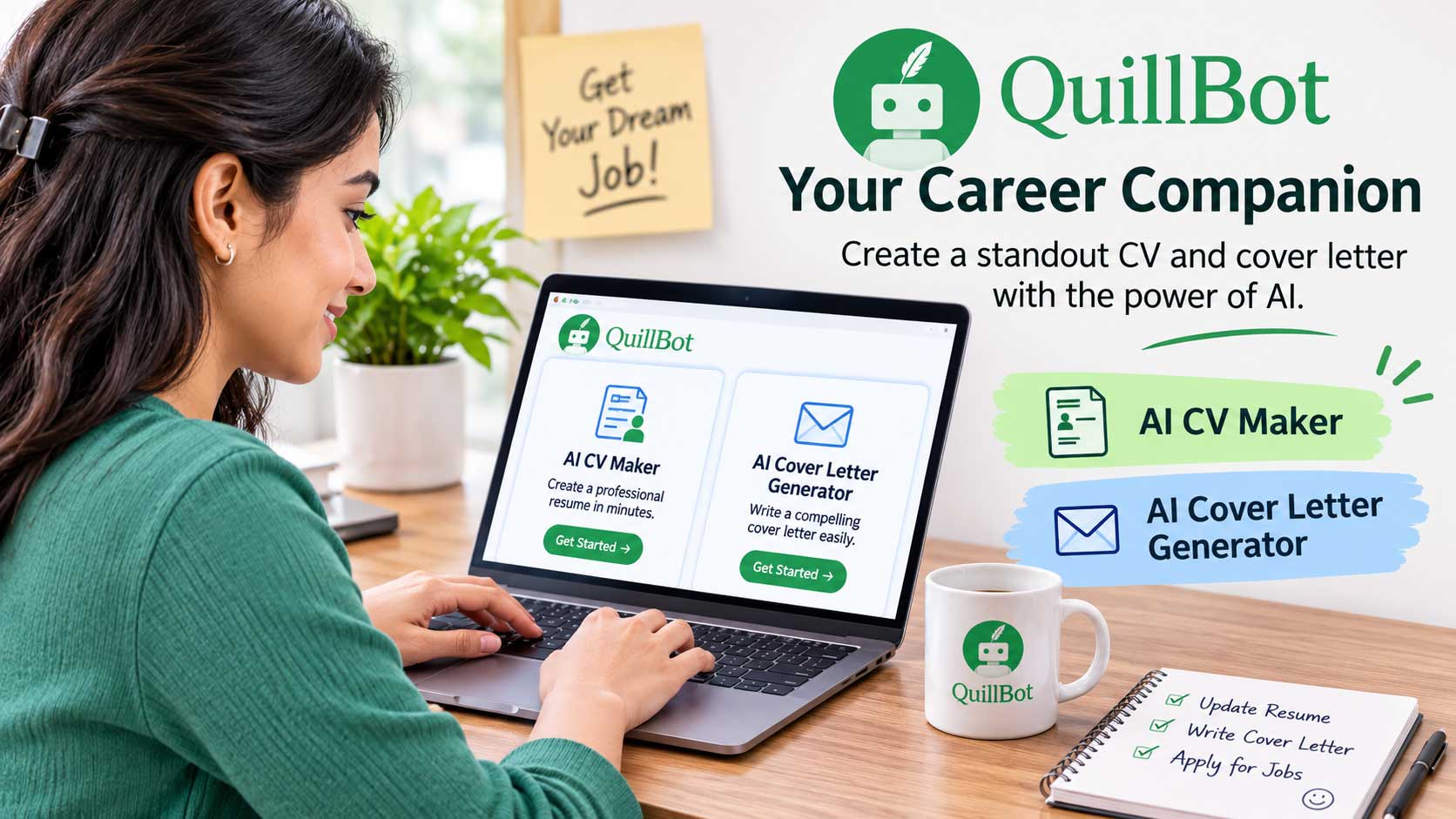
Preparing the document can also be challenging for people who are unfamiliar with professional CV formats. An AI CV maker can help simplify the process by providing assistance with organizing professional details and preparing a structured CV.
This can be particularly useful when someone is creating their first CV or updating an older one. Rather than spending too much time deciding how to arrange every section, candidates can focus on reviewing the content and making sure their experience is represented accurately.
One important point is that a CV should always reflect genuine qualifications. It is better to describe a few relevant achievements clearly than to include skills or responsibilities that you cannot confidently discuss during an interview.
Some candidates assume that a CV is enough to explain everything about their professional background. However, a cover letter provides an opportunity to introduce themselves and explain why they are interested in a particular position.
It gives candidates space to connect their experience with the company's requirements. For example, someone applying for a customer service role might explain how their previous experience handling customer queries has helped them develop communication and problem-solving skills.
A good cover letter should not simply repeat the information already included in the CV. It should add context and explain why the candidate believes they are suitable for the opportunity.
Writing one from scratch for every application can take time, especially when someone is applying to multiple companies. This is where an AI Cover letter generator can be useful.
Such a tool can help candidates get started with a draft and organize their thoughts into a professional format. They can then adjust the content according to the company, position, and experience they want to highlight.
However, sending the same generated letter to every employer is not a good approach. A little customization can make the application more relevant and show that the candidate has taken time to understand the opportunity.
Applying for several jobs can be tiring, so it is understandable that candidates sometimes reuse their existing CVs and cover letters. While this saves time, sending identical applications to every employer may not always produce the best results.
Different companies look for different qualities, even when the job titles are similar.
For example, a sales executive position at a technology company may require product knowledge and the ability to explain technical solutions. A similar role at a retail business might focus more on customer interaction, sales targets, and product recommendations.
Candidates should review their applications before submitting them. This does not mean rewriting the entire CV every time. Often, small adjustments to the professional summary, relevant skills, and cover letter are enough to make the application more specific.
The objective is to make it easy for recruiters to see why the candidate is a reasonable match for the role.
A professional application does not need complicated language or an overly creative design. In fact, simple formatting and clear descriptions often make a document easier to understand.
Here are a few practical points worth remembering:
For cover letters, keep the introduction relevant to the position and explain your interest in the opportunity. Avoid generic statements that could apply to almost any company.
These details may seem minor, but they help create a more organized and professional application.
Even after preparing a CV and cover letter, it is worth spending a few minutes reviewing both documents.
Check whether the contact details are correct, whether the employment dates match, and whether the information is consistent across the application. If you have used an AI tool to prepare or improve the content, review its suggestions carefully rather than accepting every sentence without checking.
It is also useful to read the documents from a recruiter's perspective. Can someone quickly understand your experience? Are your most relevant skills easy to find? Does the cover letter explain why you are applying for this particular position?
If the answer to these questions is yes, your application is likely to communicate your background more effectively.
Preparing a job application takes more effort than simply putting together a list of qualifications. Candidates need to understand the position, highlight relevant experience, and communicate their interest in a clear and professional way.
A well-prepared CV and a personalized cover letter can help make this process more organized. Tools such as QuillBot's AI CV maker and AI Cover Letter Generator can provide a useful starting point, particularly for people who need assistance with writing and structuring their documents.
Still, the most important part of any application is the information behind it. Real experience, relevant skills, and genuine interest in the position are what candidates should focus on communicating. Using the right tools can make preparation easier, but the final application should always represent the person submitting it.


Discover our other works at the following sites:
Danetsoft is a global web agency headquartered in Indonesia, specializing in web development, managed hosting, and web publishing platform.


 [email protected]
 Magelang, Central Java
© 2026 Danetsoft. Powered by HTMLy