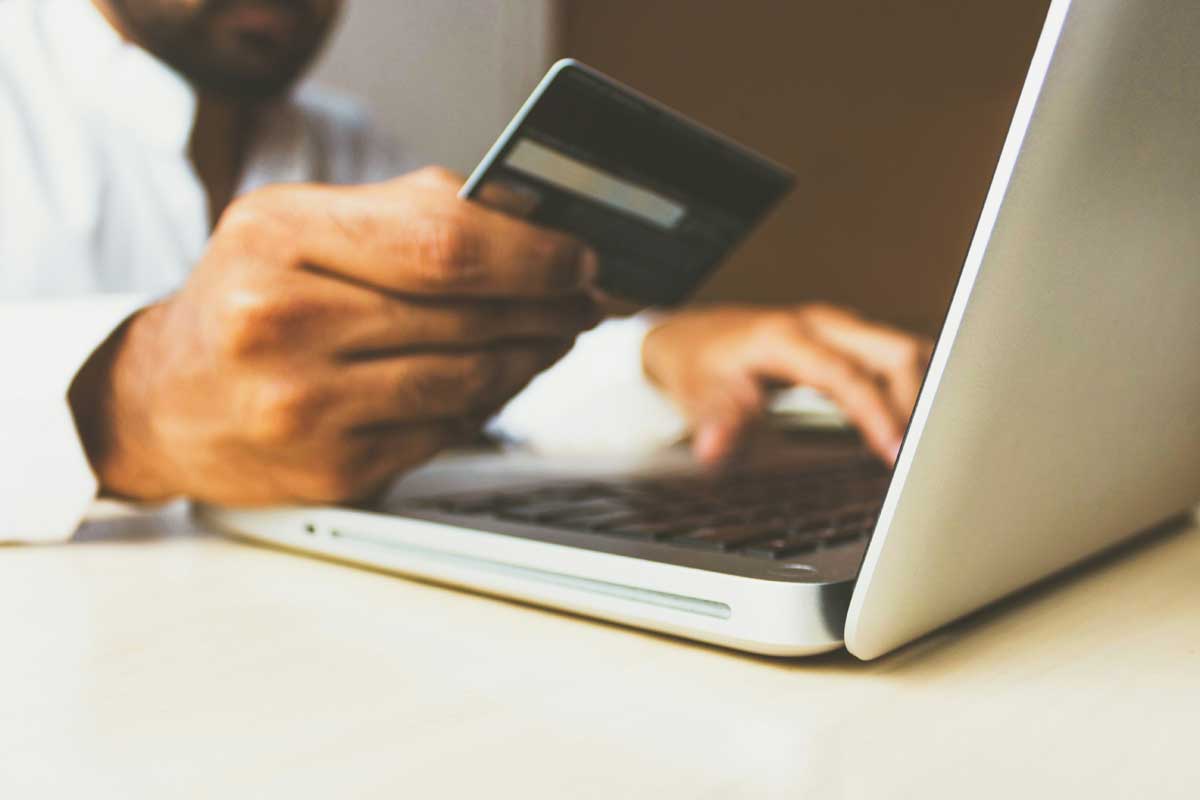
 Photo by rupixen on Unsplash
For travel and hospitality businesses in India, payments are not just a back-end function, they are part of the guest experience. Whether someone is booking a hotel room, reserving a table, paying for a holiday package, or confirming a banquet hall, the payment moment can either move things forward smoothly or create friction at the worst possible time.
That is why choosing the right payment gateway matters so much. A strong gateway helps us accept payments quickly, support many payment methods, reduce failed transactions, handle refunds without chaos, and build trust with both local and international guests. In a sector where bookings are often time-sensitive and cancellations are common, the payment setup can directly affect revenue, guest satisfaction, and operational efficiency.
Travel and hospitality businesses work differently from many other industries. A guest may discover us online, compare options, book instantly, cancel later, request a partial refund, or add services after the initial booking. The payment flow has to support all of that without creating confusion.
A hotel or travel company also deals with seasonal spikes. During holidays, weekends, festivals, and vacation periods, traffic can rise sharply. If the payment system slows down or fails, we can lose bookings in seconds. That means every part of the checkout journey has to feel fast, dependable, and simple.
For businesses in this space, a payment gateway is not just a tool for collecting money, it is part of how we sell, confirm, refund, and retain customers.
In simple terms, a payment gateway is the layer that securely transfers payment details from the customer to the bank or payment network and returns the success or failure response. It connects the booking page, app, or payment link to the financial system behind the transaction.
In travel and hospitality, this usually includes:
A good gateway should do all of this without slowing down the customer or complicating operations for us.
India has a very diverse payment landscape. Guests do not all pay the same way, so our gateway should offer flexibility.
UPI is now one of the most important payment methods in India. It is fast, familiar, and easy to use on mobile. For short bookings, advance deposits, and instant confirmations, UPI works especially well.
Cards are still important, especially for higher-value bookings and for guests who prefer traditional payment methods. Visa, Mastercard, RuPay, and American Express support can be very useful for hospitality businesses.
Net banking remains relevant, particularly for customers making larger payments or those who prefer direct bank-based transactions.
Wallets and pay-later services can make larger travel purchases easier to manage. This can be helpful for holiday packages, family trips, and event bookings.
If we serve tourists, business travelers, or overseas guests, international card acceptance becomes essential. Multi-currency support can also improve the experience for foreign customers who want clarity while paying.
Not every gateway fits every travel or hospitality business. The best choice depends on how we take bookings, how often we issue refunds, and what kind of guests we serve. Still, some features are especially valuable in this sector.
A failed payment can mean a lost room, a lost seat, or a lost package booking. We should look for a gateway that has strong uptime, smart routing, and reliable bank connections.
Guests often book quickly, especially on mobile. If the payment process is slow or clunky, they may leave before completing the transaction. Speed matters a lot in this industry.
A large share of travel bookings in India happen on smartphones. Payment pages should load well, look clean, and work smoothly on smaller screens.
Travel businesses need to handle partial refunds, full refunds, cancellation charges, and changes in booking dates. A gateway that makes refunds simple can save a lot of time and confusion.
Not every booking comes through a website. Travel agents, front desk teams, and sales staff may need to collect payments through links, QR codes, or manual requests.
Some businesses need deposit collection, installment payments, or split payments for packages and group bookings. These features can make collections much easier.
The gateway should support PCI-DSS compliance, tokenization, 3D Secure, and fraud detection tools. That helps protect customer data and reduces risk for us.
Finance teams need clear settlement records, transaction histories, and easy reporting. This becomes even more important when a business handles many bookings every day.
A gateway should connect smoothly with booking engines, property management systems, CRM tools, and accounting software. This reduces manual work and helps us keep operations organized.
Hotels, resorts, and travel companies serving foreign guests need cross-border payment options and a checkout experience that works for global users.
Different parts of the industry rely on payment gateways in slightly different ways.
Hotels use payment gateways for room reservations, advance deposits, upgrades, add-on services, no-show charges, and final settlement. They also need systems that can handle cancellations and refunds without delays.
These businesses often collect payments for packages, transport, sightseeing, tickets, and guide services. Many also need payment links or invoice-based collection for customers who do not book directly online.
These sectors deal with high transaction volume and short booking windows. Speed, stability, and authorization success rates matter a great deal here.
These businesses often need reservation deposits, booking confirmation payments, and balance collection before the event date. A simple and reliable payment flow helps reduce cancellations and no-shows.
These businesses often need online booking payments, damage deposits, and quick refunds when plans change. A gateway that supports flexible payment flows is a big help.
Even with the right systems, travel and hospitality businesses face some unique payment problems.
If checkout takes too long or feels uncertain, guests may abandon the booking. This is especially common when users are comparing multiple options.
Refunds in this sector can be tricky. Sometimes we need to return the full amount, sometimes only part of it, and sometimes service charges or cancellation fees must be deducted. Handling this manually can create delays and disputes.
Travel bookings are attractive targets for fraud because many are high-value and time-sensitive. This makes fraud checks, verification, and risk controls very important.
During holiday seasons, weekend rushes, and festival periods, booking systems often see a sudden jump in demand. Our gateway must stay stable under pressure.
A guest might pay online, make another payment at the property, and then request a refund later. If the payment records are not connected properly, it becomes hard to track everything.
Travel and hospitality businesses handle sensitive customer information, so strong security is a must.
This set of security requirements helps ensure card data is handled safely.
Instead of storing card details directly, tokenization replaces sensitive data with secure tokens. This helps protect customer information and supports safer repeat payments.
This adds another layer of verification for card payments and can reduce fraud.
Risk scoring, device checks, velocity monitoring, and suspicious activity alerts can help us stop bad transactions before they turn into losses.
The gateway should protect data at every stage, from checkout to settlement. Guests trust us with their payment details, and we have to take that seriously.
Guests might not think about the payment gateway itself, but they definitely notice the experience it creates.
If payment is quick and clean, the brand feels more reliable and professional.
A broken payment flow can leave customers unsure whether their booking went through. That uncertainty is bad for trust.
Even when a cancellation is unavoidable, fast and clear refunds can reduce complaints and improve the overall experience.
When customers see UPI, cards, net banking, and wallet options, they feel more in control of the process.
The best gateway for one travel business may not be the best one for another. We should match the tool to the model.
A simple setup, easy payment links, UPI support, and basic refund controls may be enough.
We may need advanced APIs, strong reconciliation tools, international support, and high success rates.
We may want tokenization, pre-authorization, multi-currency support, and smooth integration with both online and offline payment systems.
Installment collection, advance deposits, and split payment options can be especially useful.
The impact of a strong gateway goes beyond getting paid. It can influence the whole business.
When payment is easy, more visitors complete their bookings.
Flexible payment options can encourage customers to choose add-ons, upgrades, or higher-value packages.
Automation reduces the burden on staff who would otherwise spend time tracking payments, issuing refunds, or reconciling records.
A smooth and reliable experience leaves a better impression, which can bring guests back again.
People remember how easy it was to pay. If the process feels safe and simple, the business looks more dependable.
When we choose a payment gateway, we should not look at features in isolation. We should ask how the gateway fits our booking flow, guest profile, refund policy, and daily operations.
A property with mostly domestic bookings may care most about UPI, cards, and easy refund handling. A luxury resort with international guests may need currency support, pre-auth features, and card tokenization. A tour operator may care about payment links, installment collection, and reconciliation tools. The right answer depends on how we work.
For travel and hospitality businesses in India, a payment gateway is part of the customer journey from start to finish. It influences whether a booking gets completed, how quickly refunds are processed, how much trust guests feel, and how much manual work the team has to handle later.
The best gateway is not just the one that accepts money. It is the one that helps us move faster, reduce friction, support different payment methods, protect customer data, and make the whole booking experience smoother.
When we choose well, we make life easier for our team and more comfortable for our guests, and that is exactly what a good payment system should do.


Discover our other works at the following sites:
Danetsoft is a global web agency headquartered in Indonesia, specializing in web development, managed hosting, and web publishing platform.


 [email protected]
 Magelang, Central Java
© 2026 Danetsoft. Powered by HTMLy