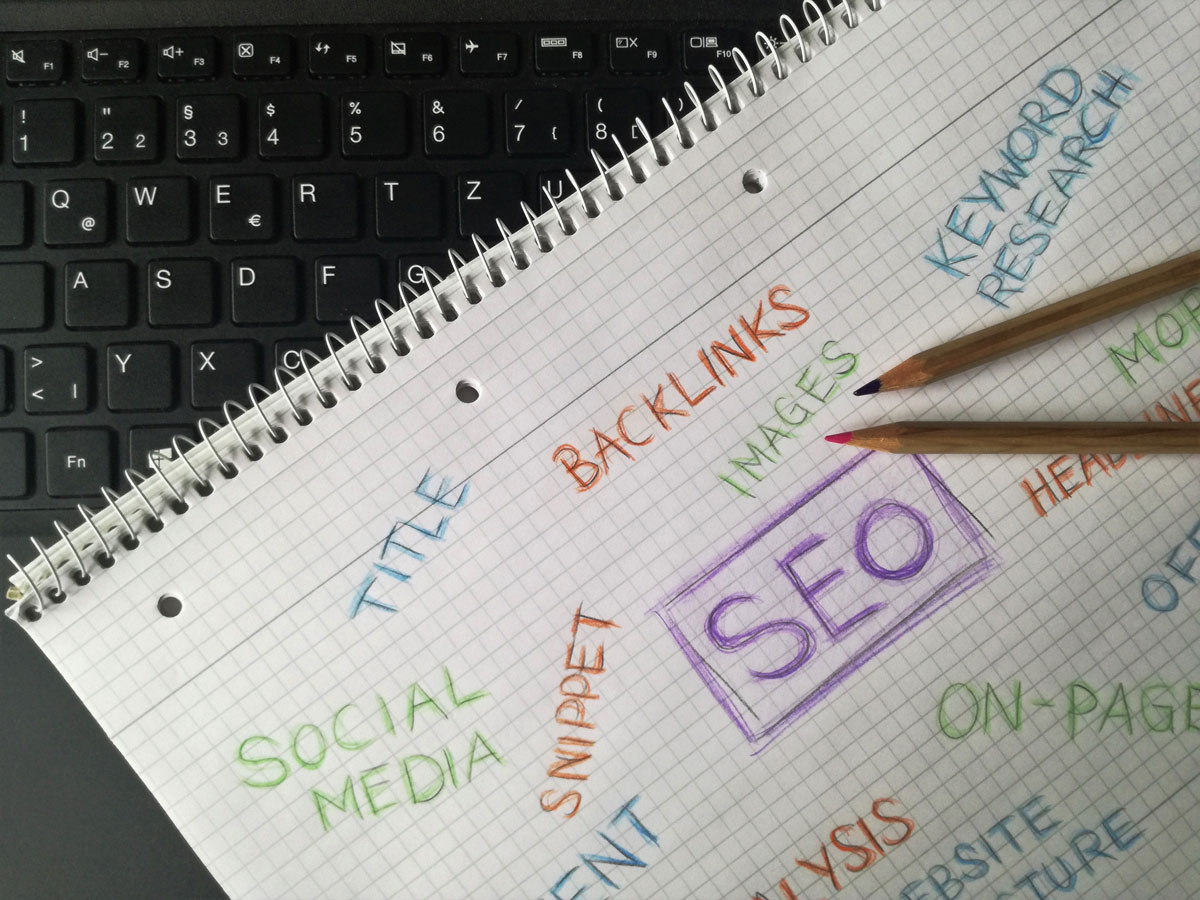
 Photo by Tobias Dziuba on Pexels
Search engines change all the time. One month a page is climbing, the next month traffic is slipping, and suddenly we are trying to figure out whether we did something wrong or whether the rules shifted again. In reality, it is usually a mix of both. Search engines are constantly adjusting how they judge content, authority, relevance, and user experience, which means SEO cannot be treated like a set-it-and-forget-it task.
If we want our organic traffic to hold up over time, we need to think beyond quick wins. Future-ready SEO is not about chasing every update or trying to predict the next big ranking change. It is about building a site that remains useful, trustworthy, and easy to understand even when search systems evolve.
That kind of strategy does not remove all risk, but it does make us far less vulnerable. Instead of depending on one keyword, one tactic, or one traffic source, we create a site that can absorb change without falling apart.
When a major update hits, the damage often feels sudden. Pages that were performing well can lose visibility, and content that was sitting comfortably on page one may slide back without warning. But these updates usually do not create problems out of nowhere. More often, they expose weaknesses that were already there.
A site may have been relying too heavily on thin content, weak backlinks, outdated optimization, or a narrow interpretation of search intent. As search engines improve, they become better at spotting pages that only look good on the surface.
That is why updates tend to favor sites with:
So the real goal is not to fight the update cycle. It is to make our site strong enough that updates have less power over us.
Keywords still matter, but if we stop there, we leave a lot on the table. A keyword tells us what someone typed. Intent tells us what they actually want.
Someone searching for “best noise cancelling headphones” probably wants comparisons, reviews, and recommendations. Someone searching for “Sony WH-1000XM5 battery life” likely wants a specific answer about one product. If we build the wrong page for the wrong intent, rankings can become unstable, even if the page is well written.
A more durable approach is to organize content around intent types:
When our content lines up with intent, search engines have fewer reasons to replace us with another page. We also give visitors a better experience, because they land on something that actually solves their problem.
Search engines have gotten much better at understanding topics as a whole. That means a single page stuffed with repeated phrases is not likely to stay competitive for long.
Instead of building isolated pages around a single search term, we should create topic clusters. A topic cluster gives us a more complete presence around a subject and spreads ranking strength across several related pages.
A solid cluster usually includes:
This structure helps us in two ways. First, it gives users a more helpful experience because they can explore a subject in layers. Second, it reduces dependence on one page ranking for one keyword. If one page slips, the rest of the cluster can still support visibility.
There was a time when long content could rank simply because it was long. That is no longer enough. A page can be packed with words and still say very little. It can also be short and genuinely useful if it gets to the point and answers the question well.
Useful content usually does a few simple things well:
If we want our content to survive algorithm shifts, it needs to help users in a real way. Search engines are getting better at identifying pages that only exist to fill space.
Even strong pages can fade if they grow stale. Facts change, tools change, screenshots change, and user expectations change. A page that was accurate last year may feel outdated today.
A healthy content process should include regular checks for:
Refreshing existing content is often one of the smartest things we can do. It helps preserve current rankings and shows search engines that the site is maintained with care.
A lot of content online says the same thing in slightly different words. That makes it easy to replace. If we want to stand out, we need to bring something that is harder to copy.
That can be:
Original insight gives a page more staying power because it offers value that generic content cannot match.
Search engines want to send users to pages that feel reliable. That is one reason trust signals matter so much. If a site feels anonymous, vague, or manipulative, it becomes easier for better competitors to take its place.
People trust content more when they know who created it. That does not mean every article needs a long author bio, but it does mean we should make identity visible.
Useful trust elements include:
These details help both readers and search engines understand why the content deserves attention.
Trust is not only about authorship. It also comes from the overall experience. If a page is overloaded with aggressive pop-ups, misleading headlines, or sloppy design, it can undermine confidence fast.
To build trust, we should keep things clear, honest, and easy to verify. That means:
When the site feels stable and honest, it stands a better chance of surviving quality-focused updates.
Great content still struggles if search engines cannot crawl and interpret the site properly. Technical issues often work quietly in the background, but they can create real problems when updates become stricter.
A healthy technical setup should include:
We do not need to obsess over every detail, but we do need to remove friction. The easier we make it for search engines to understand the site, the less likely technical issues are to drag us down.
A slow site can cost us in more ways than one. Users get frustrated, bounce rates rise, and search engines notice the poor experience. Mobile usability is especially important because so much search traffic happens on phones now.
We should pay attention to:
Good usability does not just help rankings, it helps people stay long enough to actually use the content.
As sites grow, they often collect a lot of waste, duplicate pages, thin archives, tag pages, old promotions, and outdated sections. That clutter can make it harder for search engines to see what matters most.
Regular audits should check for:
A cleaner site structure often performs better because authority is not spread too thin.
Links still matter, but the quality of those links matters far more than the old game of quantity. Spam-heavy link tactics may work briefly, but they are fragile. They rarely hold up well when search engines improve their filters.
The best links usually come from things people actually want to reference:
If we focus on creating material worth citing, links tend to follow more naturally.
Not every valuable signal is a clickable link. Brand mentions can help establish recognition and trust, especially when people talk about us in relevant spaces.
That is why it helps to show up where the audience already spends time:
A recognizable brand is usually more stable than a site that only exists to target search terms.
Depending on organic search alone is risky. Even a well-built SEO strategy can be affected by changes outside our control. If one update hits, we do not want the whole business to wobble.
A stronger setup includes other channels such as:
When traffic comes from more than one source, search losses are easier to manage. That gives us room to adapt instead of reacting in panic.
Search traffic is often one-and-done. Someone arrives, gets what they need, and leaves. That is normal, but it is better when we can turn some of those visitors into repeat users.
We can do that by creating:
The more often people come back on their own, the less dependent we are on search traffic alone.
Rankings are useful, but they do not tell the whole story. A page may lose positions and still convert well. Another page may rank well and still fail to help the business.
Better signals to watch include:
These metrics help us understand whether an update changed the site broadly or only affected certain content types.
Search results move around. Not every shift means disaster. Some changes are temporary, and some are just noise.
It helps to compare patterns before and after updates, looking at:
That way we can tell the difference between a short-term fluctuation and a deeper problem.
The sites that hold up best are usually the ones that keep evolving. They do not wait for traffic to crash before they start fixing problems.
A steady audit routine should cover:
This does not mean rebuilding everything constantly. It means making small, ongoing improvements so weak spots do not pile up.
More pages do not automatically mean better SEO. If we publish a lot of thin, repetitive, or outdated content, we can weaken the site overall.
Sometimes the better move is to:
A leaner, more focused site is often easier for search engines to trust and easier for users to navigate.
Future-proof SEO works best when it supports a real business, not just a ranking goal. If the content helps actual users, strengthens the brand, and reflects something genuine, it becomes harder for algorithm changes to wipe it away.
That is the real shift we need to make. Instead of asking how we can beat the next update, we should ask whether our site would still be valuable after the update. If the answer is yes, we are probably on the right track.
The most resilient SEO strategies share a few things in common:
SEO will always change, but that does not mean we have to stay fragile. When we build with care, clarity, and consistency, our site becomes much better at handling whatever search engines decide to do next.


Discover our other works at the following sites:
Danetsoft is a global web agency headquartered in Indonesia, specializing in web development, managed hosting, and web publishing platform.


 [email protected]
 Magelang, Central Java
 © 2026 Danetsoft. Powered by HTMLy