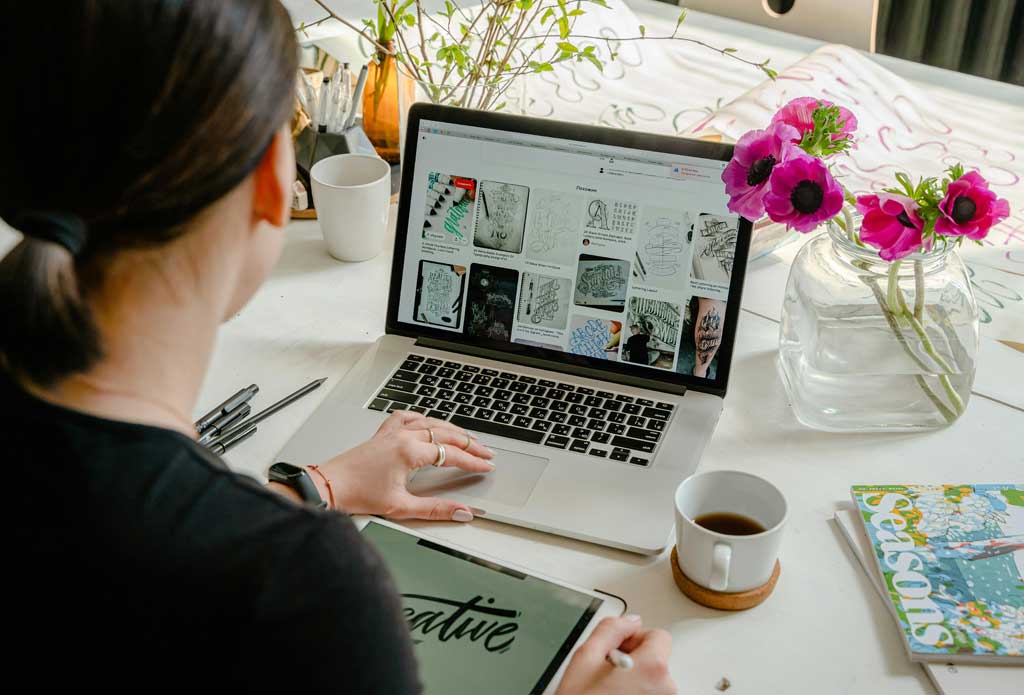
 Photo by Antoni Shkraba Studio on Pexels
The rising number of recurring donors is an urgent objective of nonprofit organizations because the stable contributions will provide the organization with the regular programs and initiatives funding. Among the best means of doing this is consideration of user experience of websites. A nonprofit web design that is based on the ease of use, clarity, and emotional appeal may play a considerable role in persuading a potential donor to spend on the long-term support. Through the close examination of the visitor interaction with the site, the nonprofits will be able to eliminate the hurdles that do not allow a person to donate in repeat. This is a strategy that increases the donations in the short-term and develops long-term relationships with donors.
The habits of users in a site usually indicate whether they are ready to interact with a nonprofit organization other than one donation. When the visitors are faced with a confusing interface, ambiguity of instructions, or too many options, they may exit without making any contribution. On the other hand a visually appealing intuitive site makes one want to explore it and build trust. Nonprofits who grasp the significance of website UX are able to establish a scenario in which recurring giving becomes the logical step that supporters will take. A functional nonprofit website design and emotional attachment are the two factors that are important in maintaining donor engagement in the long run.
There must be a simple process of donation so as to transform the visitors into regular donors. Long forms, ambiguous calls to actions, or several steps may frustrate users and make them leave with uncompleted donations. Nonprofits ought to aim at developing donation pages that are brief and user friendly. The emphasis on the frequent donation form and providing simple details on the advantages will steer the users to continuous donations.
Mobile optimization also helps to minimize the friction that can be felt during the donating process. Numerous potential donors are using nonprofit websites on smartphones or tablets, and a non-mobile site will lose them. Slim shapes, oversized buttons, and reactive designs add to the overall pleasant experience with the user. Through the reduction of obstacles and the ease of the donation route, nonprofits can gain a great advantage in the possibility of returning support.
The elements of visual design could be used as a potent tool to make people want to make a repeated donation. Distinct buttons, coherent color sets, and logical designs make the operating systems enable the user to know where to press and what to do. Visual hierarchy may be an option that nonprofits ought to consider as a way of attracting attention to recurring giving options without cluttering other information on the page.
There is also imagery and storytelling that affect user behavior. Images and videos displaying the activities of the nonprofit develop an emotional connection and build a rapport between the donors and the cause. In the case of a personal connection, the user is more likely to become committed to recurring support. The strategic placement of such visual cues in the site will boost usability and interest of the donors.
The aspect of transparency plays a very important role in establishing donor trust. Clearly communicated websites on how donations are utilized instigate confidence and more chances of repeat donations. To demonstrate accountability and effectiveness, nonprofits are supposed to provide accessible reports, impact statements, and updates on programs.
The transparency is carried over into the process of donation. The flexibility of the contribution schedules and explanations of the functioning of recurring donations also make potential donors feel in charge as well as the possibility to modify an existing donation or cancel it. It is possible to ensure that nonprofit websites make users confident that their contributions will be valuable by giving them clear and comprehensive information. Platforms like Donorbox support this transparency by giving donors self-service portals to manage, pause, or cancel their recurring contributions at any time, which reduces anxiety around commitment and significantly increases the likelihood of long-term donor retention.
This can be done through personalization to enhance the user experience and facilitate recurring donation. Individualized content on the basis of past interactions, geographic location or interest of the visitor assists in the development of more relevant and interesting information. The relationship with the donor can be strengthened by sending customized thank-you messages or follow-up emails, which will increase the retention.
Engagement can also be achieved through interactive features, like progress monitors, goal meters or user accounts. When the recipients of donations are in a position to realize the effect of their donations and feel acknowledged to be supported by their donors, the latter would be willing to make a regular donation. The creation of a nonprofit site, which has a personalization element, produces a feeling of commitment and investment to the cause.
The user experience requires optimisation through continuous testing and iteration. A/B testing layouts, calls to action, and designs of the donation page will give the idea of what appeals to the potential donor most. The interpretation of visitor behavior and modification of the site in accordance with the data will provide the ability of the nonprofit to respond to the needs of users.
Another useful tool is the user feedback. Pain points and areas of enhancement can be found in surveys or user testing sessions. In this regard, the nonprofits can eliminate barriers to recurring donation by continually improving the experience of the website and providing a more direct route to it. This is an iterative model, which enhances the effectiveness of nonprofit website design.
The UX of a website is a dominant factor in boosting the number of recurring donors to nonprofit organisations. The process of making the donation process simple, effective visual use, transparency, and user-centered experience will help increase the engagement and retention. Constant testing and improvement of their websites will help the nonprofits to give potential supporters the smooth and dramatic experience that will lead them to be committed in the long run. Thoughtful nonprofit web design does not only increase recurrent contributions, but it also creates long-term relationships that help keep the mission going.


Discover our other works at the following sites:
Danetsoft is a global web agency headquartered in Indonesia, specializing in web development, managed hosting, and web publishing platform.


 [email protected]
 Magelang, Central Java
 © 2026 Danetsoft. Powered by HTMLy