 Photo by Viralyft on Pexels
Video can do much more than fill a social feed or sit quietly on a brand page. When we shape it with search in mind, it becomes a durable traffic source, a trust-builder, and a useful entry point for people who are already looking for answers. The real advantage comes when we stop treating video as a one-off asset and start treating it like a searchable page element with its own role in discovery.
If we want video content to rank, we need more than good visuals. We need clear intent, strong supporting text, a smart page structure, and signals that help both search engines and people understand why the video matters. That means thinking about the topic, the title, the thumbnail, the transcript, the surrounding page, and even the way the video is promoted after it goes live.
This approach is not about gaming the system. It is about making useful video easier to find.
Search engines cannot “watch” a video the way a person can. They rely on clues around the content to figure out what the video covers and whether it deserves attention. That is why the page title, the video title, the description, captions, transcript, schema, and page copy all matter.
When video is optimized well, it can help us:
A single good video can work harder than many small pieces of content, but only if we give it the right signals.
Before we script anything, we need to understand what the searcher wants. A video that looks polished but misses the intent behind the query will struggle, even if the production quality is strong.
Search intent usually falls into a few practical buckets:
For example, if someone searches for “how to remove coffee stains from a shirt,” they want a quick demonstration and a clear outcome. They do not want a story about fabric care philosophy. If we match the format to the query, we give the video a much better chance to keep attention and satisfy the search.
The search results page often reveals what Google already considers relevant. If the top results are short and direct, we should probably keep our video tight. If the results favor longer explainers, a brief clip may not be enough.
We should pay attention to:
This is simple research, but it saves us from guessing.
A video topic can be interesting and still be a poor SEO choice. We want subjects that people actually search for, that connect naturally to what we offer, and that are specific enough to stand out.
Broad topics are harder to win. “Marketing tips” is too large and too muddy. A tighter topic gives us a cleaner path, such as:
Specific topics are easier to script, easier to title, and easier to align with search intent.
Keyword tools help us find phrases people are already using. We do not need to chase only the biggest numbers. A keyword with moderate volume and clear intent can perform better than a broad term with huge competition.
When we evaluate topics, we should look for:
The best topics tend to live where search demand and practical usefulness meet.
A good structure helps viewers stay with us, and it also helps search engines identify the main theme. The easier the content is to follow, the easier it is to rank and retain attention.
The beginning should make the topic obvious right away. Viewers should know within seconds that they are in the right place. A strong opening usually does three things:
We should avoid long branding intros or slow setup. People usually click because they want help now, not after a long warm-up.
A useful structure often looks like this:
That kind of flow keeps the video understandable and reduces friction for viewers who want to skim, jump around, or revisit a section.
Chapters are especially helpful when a video covers multiple steps or subtopics. They make navigation easier for people and can also give search engines more context about what the video contains.
The title does a lot of heavy lifting. It needs to be clear, searchable, and appealing without sounding stuffed or awkward.
If the video is about a video SEO checklist, the title should say that plainly. Search-friendly titles do not need to sound mechanical, they just need to communicate the subject fast.
A stronger title might look like:
These tell us what the video is about and why it might be worth our time.
People click when they can tell what they will gain. Good titles often include a number, a benefit, a promise, or a result.
We should avoid titles that are so clever they become vague. Clarity usually wins over style when search is involved.
Thumbnails do not directly push a video up the rankings, but they strongly affect whether people click. If the thumbnail earns more clicks, the video can gather momentum over time.
A thumbnail should be readable at a small size. That means:
The thumbnail should reinforce the promise made in the title. If the title says “mistakes,” the image should feel problem-focused. If the title says “tutorial,” the thumbnail should look instructional.
When the two work together, they build trust before the click.
A lot of descriptions are underused. They are either too short, too generic, or written as if nobody will ever read them. That wastes an opportunity to add context.
The opening lines matter most. Before someone clicks to expand the description, we want them to see the main topic, the core keyword, and a short reason to keep going.
We do not need to repeat phrases over and over. Instead, we should explain what the video covers, who it is for, and what viewers will learn. A well-written description can include:
The goal is clarity, not repetition.
Transcripts are one of the smartest additions we can make to video content. Search engines can process text more easily than video footage, which means transcripts give them more material to understand the topic.
A transcript can:
Captions help people watch in silent environments, noisy places, or when they are not fluent in the spoken language. They also reduce friction and make the video easier to follow.
If we rely on auto-generated captions, we should review them. Small errors can create confusion, especially around product names, technical terms, or niche phrases.
Schema markup gives search engines a structured way to understand that a page includes a video and what that video is about. It does not guarantee rankings, but it can improve how clearly the page is interpreted.
A strong video schema setup usually includes:
This structured data works best when the video sits on a page that is clearly about the same topic. A random embed on an unrelated page does not help much.
The page itself matters just as much as the video. Search engines evaluate the whole page, not only the video player.
A page with a video should still offer useful written content. That might include:
This helps both readers and search engines. Some people want to watch, others want to scan, and many do both.
Headings give structure to the page and help signal the main themes. They should feel natural and relevant, not stuffed with repeated phrases.
Search visibility improves when people stay with the content. If viewers click away quickly, the video may struggle over time even if the topic is good.
People come to video for a reason. We should respect that by reaching the useful part fast. Long greetings, side stories, and unnecessary buildup often hurt retention.
A video does not need to be long to be useful. It needs to be complete. If a point does not help the viewer, it probably does not belong. Tight editing usually beats loose rambling.
When content is genuinely helpful, engagement tends to follow. People are more likely to like, comment, save, or share when they feel the video solved something for them.
A smart video can fuel several pieces of content. That multiplies the value of the work we put into production.
A transcript can become a blog article, FAQ page, resource page, or support article. This gives us another way to rank and another way to reach people who prefer reading.
Smaller clips can target narrow questions, support social distribution, and bring attention back to the main asset. They also help us use one topic across multiple platforms without repeating ourselves.
When the same subject appears across different formats, we strengthen topical authority. Search engines start to see a pattern, and users get repeated exposure to the same expertise in different forms.
SEO gives the content a foundation, but promotion helps it get moving. Early traffic and engagement can provide valuable signals and expose the video to more people.
Useful places to share the video include:
Internal linking is also important. If the video belongs to an article or landing page, we should connect the two so users can move between them and search engines can understand the relationship.
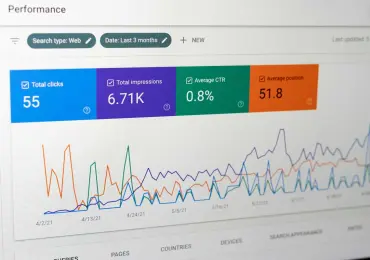
Good video SEO improves when we pay attention to performance instead of guessing.
Metrics worth watching include:
These numbers tell us what is working. If a video gets impressions but weak clicks, the title or thumbnail may need work. If people click but leave too soon, the intro may be too slow or the video may not match the promise.
We do not need to leave older videos untouched. A better title, a stronger thumbnail, an improved transcript, or a more useful page description can sometimes change performance in a noticeable way.
Even strong content can underperform if the basics are missing.
A video that tries to cover everything usually ranks for nothing in particular. Specificity gives us a better chance.
An isolated embed has less SEO value than a video supported by context, headings, and useful text.
If the title sounds unnatural or the description reads like a keyword list, trust drops fast. Search support should never come at the cost of readability.
Without text support, we leave ranking opportunities on the table and make the content less accessible.
SEO-friendly video content is not built on tricks. It is built on relevance, clarity, and structure. When we start with search intent, choose focused topics, write honest titles, create helpful descriptions, add captions and transcripts, and support the video with a strong page, we give it a real chance to rank.
The strongest videos do more than look polished. They answer a specific question, keep the viewer engaged, and fit into a larger content plan. When we build them this way, video stops being a one-time post and becomes an asset that keeps working long after publication.


Discover our other works at the following sites:
Danetsoft is a global web agency headquartered in Indonesia, specializing in web development, managed hosting, and web publishing platform.


 [email protected]
 Magelang, Central Java
 © 2026 Danetsoft. Powered by HTMLy