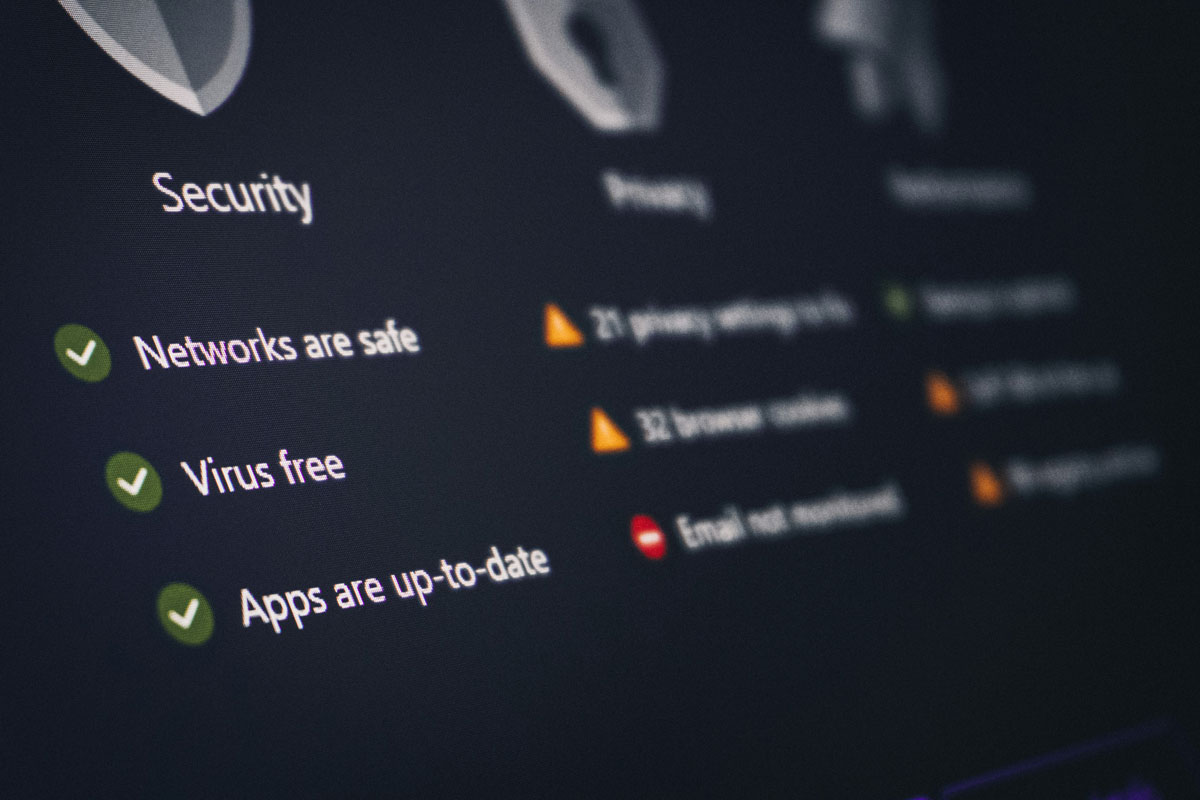
 Photo by Zulfugar Karimov on Unsplash
The reliance on digital systems makes everyday cybersecurity a critical concern for modern businesses of all sizes. According to Statista, cybercrime remains a significant threat to businesses and will remain for the foreseeable future. About 90% of chief information security officers (CISOs) across the US feel that their businesses are vulnerable to a significant cyberattack.
While the scale of the threat can seem overwhelming, many cybersecurity incidents stem from simple weaknesses. They don’t start with intricate attacks or bold hacking moves. Instead, many problems come from everyday security oversights businesses frequently miss.
A proactive approach to IT management enables businesses to fix security vulnerabilities before they escalate into serious problems. This article explores how proactive IT management can help minimize everyday security risks.
The Cybersecurity and Infrastructure Security Agency states that outdated software is a major business security risk. Hackers are constantly searching for known weaknesses they can exploit to steal sensitive information. These may include details about your business, employees, and customers.
When businesses postpone updates, they may leave known weaknesses that cybercriminals can identify and use to gain access. For this reason, proactive IT management turns software patching into a regular part of system maintenance rather than a last-minute response to a security issue.
Automated patch-management tools can distribute approved updates across employee devices, servers, mobile equipment, and compatible applications. IT teams can schedule these updates during suitable maintenance windows to reduce interruptions to daily operations. Prioritize critical patches, especially for internet-connected systems, as they are more vulnerable to external threats.
A proactive IT provider can detect devices that have missed important updates, use unsupported operating systems, or run vulnerable applications. This visibility ensures that an ignored workstation or aging server doesn’t become the network's weakest link.
Cybersecurity threats are not always immediately apparent. An attack may start with multiple failed login attempts, access from an unfamiliar location, or unusual file activity. Unexpected changes to user accounts or a device connecting to suspicious online addresses can also cause problems. These early warning signs can get missed until they lead to downtime, data loss, or a ransomware attack.
A Business.com article highlights the importance of activity monitoring. “The purpose behind the monitoring is to maintain security, whether that be a network intrusion, the theft of sensitive information or other threats,” notes Michael Trust, HRD at Myman Greenspan Fox Rosenberg Mobasser Younger & Light LLP.
Proactive IT management involves regularly monitoring networks, endpoints, servers, email systems, and cloud platforms. Monitoring solutions can gather system logs and send alerts when they identify activity that differs from normal behavior.
Detecting these issues early gives businesses more time to respond effectively. IT teams can investigate suspicious activity, isolate an affected device, reset compromised login credentials, or block unusual network traffic before the threat spreads. Acting swiftly minimizes operational hiccups and reduces the total expenses related to a security incident.
Cybersecurity isn’t something you can just set and forget after a single project or tech buy. With new hires joining, software evolving, devices aging, and vendors releasing updates, the environment is always changing. That’s why proactive IT management views security as an operational duty. Instead of relying solely on an in-house team, hiring a trusted IT service provider is a wise decision.
Providers such as Moonshot Solutions cover a wide range of business needs, including strategic IT planning and cybersecurity risk management. They can also help businesses prepare for AI advancements, strengthen workplace culture, and address other technology-related priorities.
Routine tasks such as vulnerability assessments, device inventories, security reviews, and log monitoring help organizations identify potential weaknesses. Regular employee awareness training can also help address security gaps before they become serious issues. Similarly, vulnerability scans can highlight outdated software, weak configurations, and exposed services that require immediate attention.
Regular reviews also help identify trends. If employees keep falling for phishing emails, it might be time for some focused security-awareness training. If certain systems are consistently missing updates, the IT team may need to improve automation or clarify ownership. If permission reviews find unused accounts, the organization should strengthen its offboarding procedures.
A Forbes article highlights that effective solutions to data problems are more essential than ever. Relying solely on backups isn't enough to keep a business running smoothly after cyberattacks, hardware malfunctions, human mistakes, or even natural disasters. Nowadays, attackers are savvy and often target backups to block restoration efforts.
No organization can eliminate every risk. Threats like ransomware, accidental deletions, device theft, hardware malfunctions, software glitches, and even natural disasters pose serious risks to vital data and systems. So, cybersecurity planning should include a dependable recovery strategy.
Proactive IT management helps ensure that important business data is backed up automatically. This may include documents, databases, emails, customer records, configuration files, and cloud-based information. If a backup is incomplete, corrupted, inaccessible, or connected to an infected network, it won’t be useful when a real emergency strikes.
Businesses also need a proper disaster recovery plan. For example, an organization might keep local backups for quick recovery and also maintain encrypted offline or isolated copies to strengthen resilience against ransomware. The best approach will depend on the organization’s systems, compliance needs, and recovery objectives.
Proactive IT management means staying ahead by continuously monitoring, updating, and improving a business's technology before any issues arise. It includes essential tasks like software patching, security assessments, backup verification, access reviews, and system maintenance. Instead of reacting to an attack or outage after it happens, IT teams identify potential problems early on and implement preventive measures.
Yes. Managed IT services can reduce cybersecurity risks through continuous monitoring, timely updates, endpoint protection, backup management, and incident-response support. They provide smaller businesses with expert insights and security tools, eliminating the need for a large in-house team. Businesses should clarify responsibilities, reporting, recovery processes, and security requirements beforehand.
Businesses should continuously monitor critical systems and hold security reviews. Additional reviews may be needed after staff departures, major software changes, mergers, security incidents, or shifts to remote work. These checks should cover patches, access permissions, backup recovery, vulnerabilities, and employee security awareness.
| Proactive IT Practice | Relevant Data | Security Benefit |
|---|---|---|
| Regular software patching | 20% of breaches involved vulnerability exploitation | Helps close known weaknesses before attackers can exploit them |
| Faster vulnerability remediation | Only 54% of perimeter-device vulnerabilities were fully remediated | Reduces the window in which exposed systems can be targeted |
| Continuous system monitoring | 60% of breaches involved a human element | Helps detect suspicious activity and potentially compromised accounts sooner |
| Access and permission reviews | 22% of breaches involved credential abuse | Reduces risks associated with stolen or misused credentials |
| Tested data backups | 44% of breaches involved ransomware | Supports recovery when attackers disrupt or encrypt business data |
| Employee security training | 60% of breaches involved a human element | Helps address risks involving phishing, social engineering, and human error |
Proactive IT management is essential for reducing everyday security risks. When businesses identify and address potential issues before attackers exploit them or technical failures occur, they can create a safer and more reliable environment.
The main takeaway is that cybersecurity requires continuous attention. Incorporating proactive IT management into daily business operations helps organizations reduce disruptions and handle unexpected issues more effectively. It also creates a strong foundation for long-term security and resilience.


Discover our other works at the following sites:
Danetsoft is a global web agency headquartered in Indonesia, specializing in web development, managed hosting, and web publishing platform.


 [email protected]
 Magelang, Central Java
 © 2026 Danetsoft. Powered by HTMLy