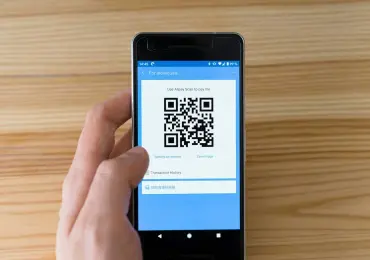
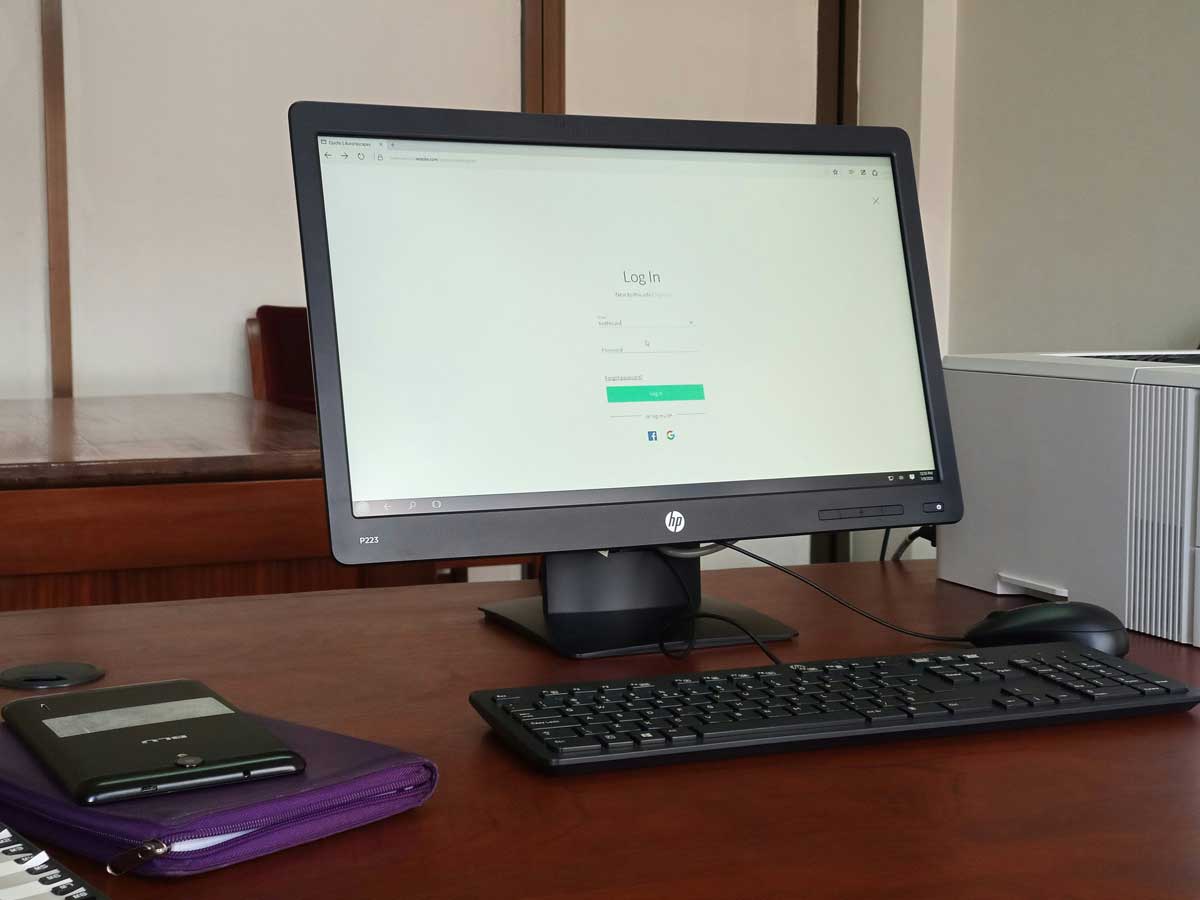
 Photo by Keith Kasaija on Unsplash
Remote desktop software has become one of those tools that quietly keeps modern work moving. When it works well, support teams solve problems faster, employees stay productive, and IT admins avoid unnecessary site visits. When it falls short, the result is usually frustration, wasted time, and security headaches.
That is why choosing remote desktop software should never come down to a slick interface alone. The real question is whether the tool matches the way we support users, protect devices, and manage access across different environments. Some teams need strong unattended access. Others need session recording for compliance. Many need a mix of file transfer, cross-platform support, and deep device control.
Based on G2 Spring 2026 Grid Reports and verified user feedback, we can narrow the buying decision down to a handful of features that matter most. Below, we break down those features in plain language, explain why they matter, and highlight the tools that scored highest for each area.
| Feature | What it helps us do | Top-rated tools |
|---|---|---|
| Security and access control | Protect sessions with device management, enrollment controls, and remote wipe | HelpWire, ShowMyPC, HP Anyware, LogMeIn Rescue, Pandora FMS |
| Unattended access | Connect without the user being present for after-hours support and maintenance | SetMe, LogMeIn Central, NetSupport Manager, HelpWire |
| Session recording and monitoring | Record sessions for auditing, training, compliance, and issue review | ShowMyPC, LiteManager, Glance, Ammyy |
| File transfer | Move files and folders between local and remote systems securely | NetSupport Manager, ShowMyPC, HelpWire, Pandora FMS |
| Cross-platform and multi-device access | Work across Windows, macOS, Linux, iOS, and Android | Inuvika OVD Enterprise, Pandora FMS, Vysor, RealVNC |
| Remote device control | Take full control of endpoints to troubleshoot, configure, and manage | NetSupport Manager, SetMe, LogMeIn Central, LiteManager, AeroAdmin |
Security is not just a nice extra in remote access, it is the foundation. If people can connect to systems without strong identity checks, device policies, or clear session boundaries, the whole setup becomes risky very quickly.
The strongest tools in this category, according to G2 data, are HelpWire, ShowMyPC, HP Anyware, LogMeIn Rescue, and Pandora FMS. These tools earned high marks for remote wipe, device management, and device enrollment.
HelpWire stands out for TLS and SSL encryption, plus AES-256 protection. Reviewers like that the security layer is strong without making life harder for non-technical users.
ShowMyPC uses one-time passwords, which means each access session can be isolated instead of leaving a permanent opening behind.
HP Anyware combines end-to-end encryption with multi-factor authentication, which makes it appealing in larger enterprise environments.
LogMeIn Rescue is often praised for secure sessions and detailed audit logs, which help regulated teams maintain records.
A remote desktop tool can be fast and user-friendly, but if the identity controls are weak, we end up trading convenience for risk. For teams managing many users and devices, this category should carry serious weight.
Anyone who supports remote workers, clients, or distributed offices knows that the user is not always available when a problem shows up. That is where unattended access becomes invaluable. It lets us connect to a machine without waiting for someone to accept the session.
The top tools here are SetMe, LogMeIn Central, NetSupport Manager, and HelpWire.
This feature becomes especially important for after-hours maintenance, patching, emergency fixes, and recurring support for the same fleet of devices. If we often hear, “Can you come back when I’m done?” then unattended access should be near the top of the checklist.
Some teams need proof of what happened during a remote session. Others want a better way to train new technicians or review difficult support cases. Session recording solves both problems.
The strongest tools in this category are ShowMyPC, LiteManager, Glance, and Ammyy.
Recording is often overlooked until we need it. Then it becomes critical for compliance, troubleshooting disputes, quality assurance, and onboarding new staff. For teams in finance, healthcare, insurance, or other regulated environments, this feature can be a deciding factor.
A remote desktop tool that cannot move files easily slows everything down. We should not need email, cloud drives, or separate sharing tools just to send a patch, config file, or diagnostic bundle.
According to G2 data, the best tools for file transfer are NetSupport Manager, ShowMyPC, HelpWire, and Pandora FMS.
This feature is particularly useful when we need to repair systems quickly, deploy updates, or hand off a document during a support call. The best tools make the process feel as simple as working on a local machine.
Most organizations do not live in a single-OS world anymore. We may be supporting Windows laptops, macOS desktops, Linux servers, iPhones, Android phones, and a mix of tablets and thin clients all at once. Remote desktop software has to keep up.
The top-rated tools here are Inuvika OVD Enterprise, Pandora FMS, Vysor, and RealVNC.
If our team works in a mixed environment, this feature can save us from building separate workflows for every device type. The more endpoints we manage, the more important this becomes.
Remote access is useful, but remote control is what actually gets the job done. This is the feature that lets us troubleshoot, run commands, manage processes, edit settings, and fix issues without touching the device physically.
The best tools for remote device control are NetSupport Manager, SetMe, LogMeIn Central, LiteManager, and AeroAdmin.
For IT teams, remote device control is often the difference between a basic support tool and a serious admin platform. If we need to do more than just view a screen, this feature matters a lot.
The six core features above cover most purchasing decisions, but there are a few extra capabilities that can make a remote desktop tool much more valuable in daily use.
This helps us track session activity, connection frequency, and technician performance. It is useful for oversight, reporting, and compliance.
Some tools connect with ITSM, helpdesk, or CRM platforms. That means we can keep support workflows in one place instead of jumping between systems.
Good diagnostics provide live system information such as CPU usage, running processes, and hardware details. This helps us diagnose issues faster while connected.
This allows one technician to hand off an active session to another without disconnecting the end user. It is especially helpful in larger support teams.
Some tools let us install, update, or remove applications remotely. For IT admins, this can save time and reduce the need for physical access.
The best choice depends on the kind of problems we solve most often.
If users often need support when no one is available on site, unattended access should be a top priority. If we work in regulated industries, session recording and strong encryption become more important than flashy extras. If our environment includes multiple operating systems and mobile devices, cross-platform support should guide the shortlist. And if we manage endpoints in bulk, remote device control and file transfer should be non-negotiable.
Here is a simple way to think about the buying decision:
Remote desktop software is not just about getting onto another machine. It is about how safely, smoothly, and reliably we can solve problems from anywhere. The best tools combine strong access controls, unattended access, session visibility, file transfer, cross-platform support, and real device control in one package.
If we focus on the features that match our support model, we are far more likely to choose software that helps us save time instead of creating more work. The ideal tool is the one that fits our users, our devices, and our risk tolerance, not just the one with the longest feature list.


Discover our other works at the following sites:
Danetsoft is a global web agency headquartered in Indonesia, specializing in web development, managed hosting, and web publishing platform.


 [email protected]
 Magelang, Central Java
 © 2026 Danetsoft. Powered by HTMLy