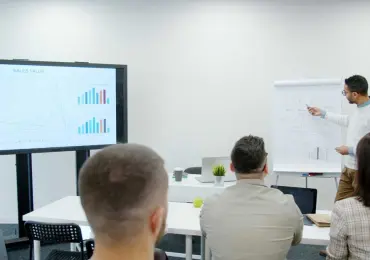
 Photo by Andrea Piacquadio on Pexels
Have you ever thought that starting a business might be your shortcut to freedom? You’re not alone. The internet is full of founders who make it look instant. But behind every fast success is a slow build. Entrepreneurship is rising fast—thanks to layoffs, flexibility, and the lure of control—but it’s not simple. It takes time, planning, and a high tolerance for the unknown.
In this blog, we will share what aspiring entrepreneurs need to know about risk, reward, and reality so they can plan smarter, move steadier, and avoid the most common early mistakes.
The biggest misunderstanding about entrepreneurship is speed. People assume that leaving a job means instant freedom. In reality, many founders work longer hours for less predictable pay, especially at the start. You trade one boss for many pressures. Customers. Cash flow. Decisions that follow you home.
This does not mean entrepreneurship is a bad idea. It means it is not a shortcut. It is a different road. One with more control, yes, but also more responsibility. Recognizing that early helps you plan without panic.
Founders who struggle the most are often the ones who expected quick relief. Founders who last tend to expect friction and prepare for it.
Many new entrepreneurs focus entirely on the idea. The product. The market. The branding. All of that matters. But your personal finances matter just as much. Stress outside the business bleeds into decisions inside it.
So, how much should I be saving a month? This is a question almost every aspiring entrepreneur asks early on. There’s no single number that works for everyone, but aiming to build a personal buffer that covers several months of basic living costs is a solid place to start. That cushion gives you breathing room to test ideas, adjust your approach, and learn without making rushed decisions driven by stress.
Even modest, consistent saving can change how you show up as a founder. It reduces rushed decisions and gives you room to think clearly when things do not go as planned.
Every business idea feels strong at the beginning. That confidence is part of what gets people started. But risk does not disappear just because the concept makes sense. Markets shift. Customers behave differently than expected. Expenses appear out of nowhere.
Recent years have made this even clearer. Supply chain issues. Inflation. Changing consumer habits. Even small businesses feel global forces now. Planning for risk is not pessimism. It is professionalism.
This means asking hard questions early. What happens if revenue is slow at first? What expenses are truly essential? Which costs can wait? Founders who answer these questions upfront avoid scrambling later. Some founders also line up access to flexible capital for growing businesses in advance, so a slow month doesn't force a fire-sale decision.
The upside of entrepreneurship is real. Ownership. Flexibility. Growth that is not capped by a job title. But reward rarely follows a neat timeline. Many founders experience uneven progress. A good month followed by a quiet one. A win that feels big, followed by a setback that feels personal.
This is normal. It does not mean you are failing. It means you are building something that responds to the real world.
Setting realistic expectations helps here. Instead of asking when the business will take off, ask what progress looks like this quarter. More customers. Better systems. Clearer messaging. These small wins stack up over time.
One of the fastest ways new entrepreneurs get confused is by mixing up cash flow and profit. Profit looks good on paper. Cash flow keeps the lights on.
You might have sales coming in but still struggle to cover expenses at the right time. Or you might reinvest everything and feel broke despite growth. Understanding this difference early changes how you plan.
Track what comes in and when. Track what goes out and when. Simple systems beat complex ones. You do not need fancy software to know your numbers. You need consistency and honesty.
Another common trap is ignoring personal needs in the name of hustle. Skipping rest. Ignoring health. Living in constant uncertainty. This may work for short bursts, but it is not sustainable.
Entrepreneurship is a long game and burnout helps no one. Planning a lifestyle you can actually live makes the business stronger, not weaker.
This might mean keeping some steady income while you build. It might mean setting clear work hours. It might mean saying no to growth that costs too much energy too soon. None of this makes you less ambitious. It makes you strategic.
No founder builds alone, even if it feels that way. Mentors. Peers. Advisors. Friends who listen. These relationships matter more than motivation quotes.
Talking to people who are a few steps ahead gives you perspective. They normalize the ups and downs. They remind you that doubt is part of the process, not a sign you chose wrong.
If you can, seek out local groups or online communities where real conversations happen. Not just wins, but lessons. Not just growth, but challenges. That honesty builds resilience.
Some people worry that too much planning will slow them down. In practice, good planning does the opposite. It frees you to take smart risks because the basics are covered.
When your finances are organized, your expectations are realistic, and your support system is in place, you can move with confidence. Not blind confidence. Informed confidence.
Entrepreneurship rewards people who respect reality while still believing in possibility.
There is no fast track that skips effort. But there is a smoother path that avoids unnecessary stress. It starts with understanding that entrepreneurship is not an escape from work. It is a different kind of work.
One that asks you to think ahead. To plan for uncertainty. To balance optimism with preparation.
When you do that, the journey becomes less about chasing freedom and more about building it, step by step, in a way that lasts.


Discover our other works at the following sites:
Danetsoft is a global web agency headquartered in Indonesia, specializing in web development, managed hosting, and web publishing platform.


 [email protected]
 Magelang, Central Java
 © 2026 Danetsoft. Powered by HTMLy