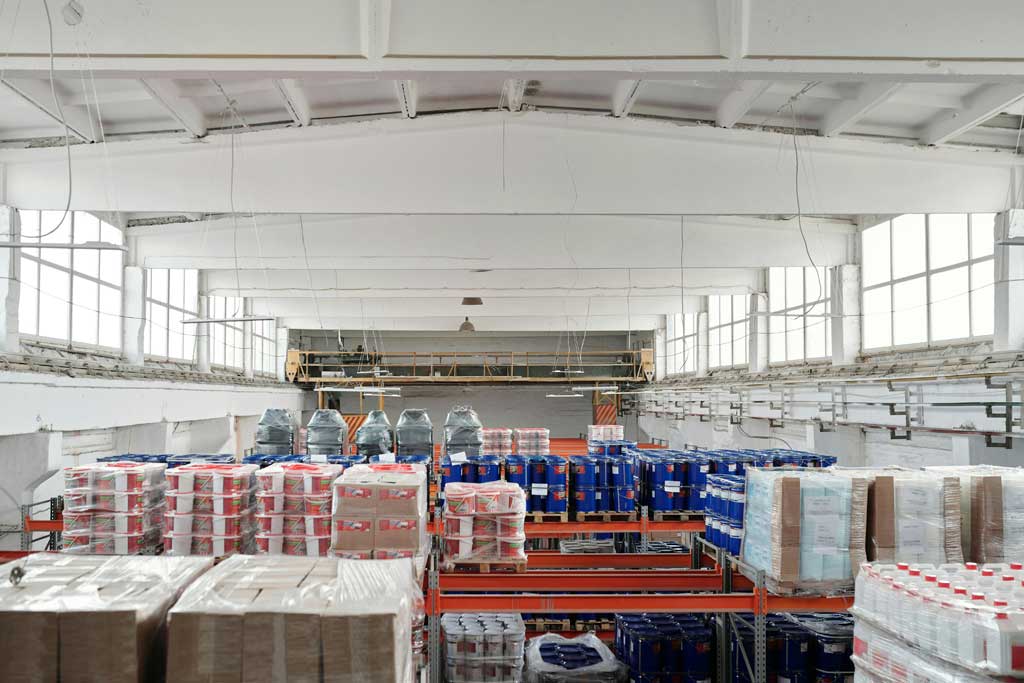
 Photo by Tiger Lily on Pexels
The world is becoming very dynamic but modern facilities are complicated systems requiring safety, compliance, and operational efficiency to be handled simultaneously. Containerization systems are important in the management of spills, emissions, and other dangerous substances and facility management platforms offer decentralized control of assets and processes. Combining these two can enable organizations to transition into proactive control as opposed to reactive responses enhancing visibility and coordination within departments and minimizing risk and downtime.
The first step to successful integration is to ensure that the containment system capabilities are matched to the data structures of the facility management platform. This will include defining the kind of information the containment systems are producing like sensor readings, inspection logs and maintenance alerts and making sure the platform can accept this information the way it is supposed to. In cases where alignment is done thoughtfully, the platform itself is one source of truth on the performance of containment and the status of facilities.
A balanced hardware-software, and communication protocols are as important as well. Most of the modern containment systems are digital, though older ones might need adapters or middleware. Solving these gaps at the initial stage will prevent the fragmented data and make sure that facility managers will be able to track the containment assets and other important systems without changing the tools and without using manual updates.
The basis of meaningful interaction of systems is data integration. Introducing the real time containment data into the facility management platform allows the organizations to see directly into the situation that might result in a safety accident or regulatory violation. Auto-data flows minimize the probability of human error and make information up to date and operational.
This information can be then put into perspective with other facility data like equipment use, environmental and occupancy rates once integrated. The wider perspective enables managers to observe trends, predict problems and make wise judgments. As time progresses, the analysis of trends with the help of integrated data will assist in maximizing the containment approach and resources distribution.
Integrated systems allow day-to-day monitoring of the performance of containment in the operating facilities. The alerts caused by a deviation in readings or failures of the system can be directly redirected via the facility management platform, and the associated teams will be informed quickly. This is because the centralized monitoring strategy minimizes response time and minimal effects of possible incidents.
Besides alerts, dashboards also give visual summaries of containment status of the facility. Managers will be able to evaluate instantly which of the areas are functioning normally and which ones need to be addressed. Such visibility facilitates better supervision and enables the consideration of containment to be considered within the regular operational planning instead of being considered a distinct issue.
It is easier to operate containment systems when they are well integrated as part of facility management processes. Automated work orders may be created in accordance with sensor data, inspection schedules or regulatory requirements. This makes maintenance activities being done regularly and recorded properly in the same platform as other assets of the facility.
Lifecycle management is also supported by coordinated maintenance. Repair, replacement, and performance data of the past assists companies in analyzing the long term efficiency of their industrial containment solutions. With such information connected to a larger facility maintenance record, the decision makers will be able to make investments that are a priority and prevent unexpected failure.
The primary reason that is pushing the need to integrate the facility management platforms with the containment systems is regulatory compliance. The record keeping which is automated makes audits easier as clear time stamped records are in place of inspection, incidences and corrective measures. This saves on administration and enhances confidence in compliance reporting.
The proactive compliance is also facilitated through integration as potential problems are identified before they can turn out to be violations. Compliance measures can be traced and protocol data alongside operational data can be observed by the facility managers, so that the practices of containment are consistent with the changing rules and internal norms.
Integration provides more extensive organizational advantages than safety and compliance. Better communication among the safety, maintenance, and operations teams will enhance the mutual sense of risk and responsibility. This partnership results in an increased level of consistency and safety culture across the facility.
In the long run, integrated systems will be cost saving when it comes to fewer incidents, more efficient maintenance, and enhanced use of data. By integrating the systems of containment and facility management platforms, organizations establish a stronger and efficient operating context that serves and addresses both short-term and long-term strategic objectives.


Discover our other works at the following sites:
Danetsoft is a global web agency headquartered in Indonesia, specializing in web development, managed hosting, and web publishing platform.


 [email protected]
 Magelang, Central Java
 © 2026 Danetsoft. Powered by HTMLy