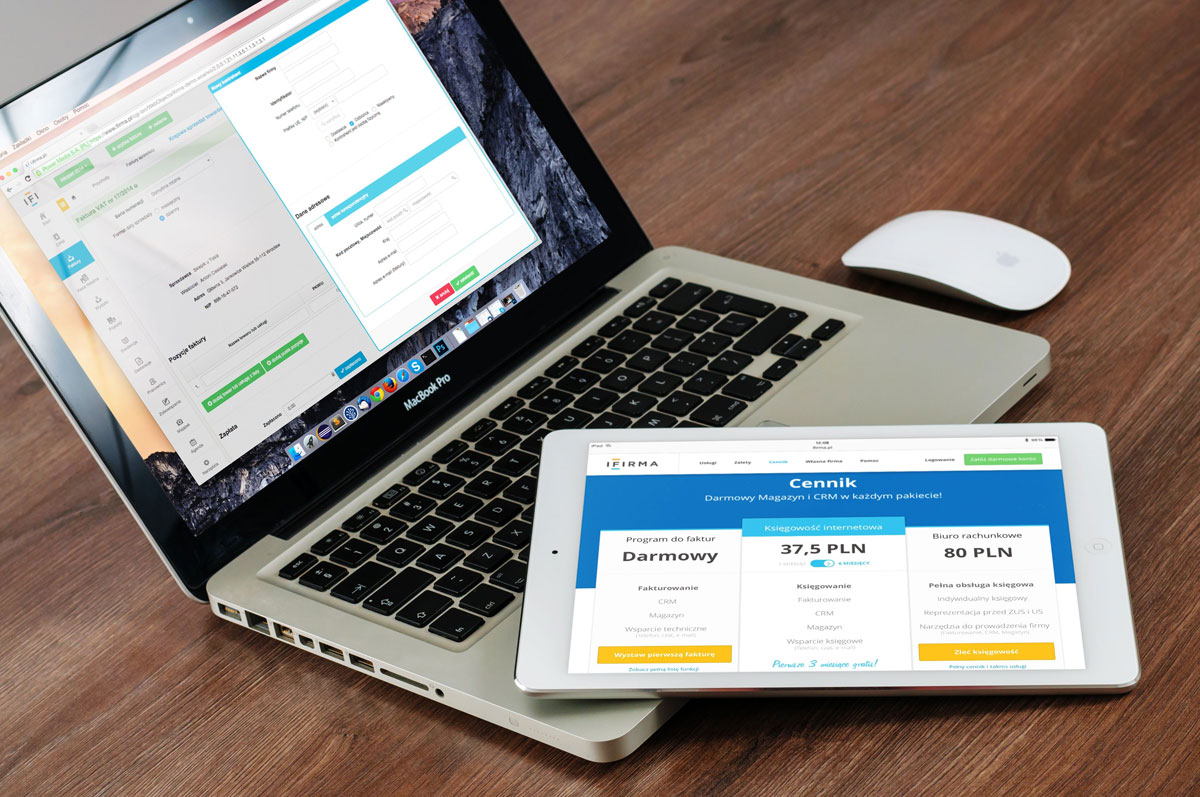
 Photo by Pixabay on Pexels
The hospitality industry is locked in an ongoing battle for direct reservations. With standard Online Travel Agency (OTA) commission rates ranging from 15% to 30% per booking as of 2026, hotels are heavily incentivized to build their own direct booking infrastructure rather than relying entirely on third-party aggregators.
However, simply having a standard digital presence is no longer enough to compete with giant travel platforms. Independent properties lost over 63% of their total reservations to third-party services last year, highlighting a massive revenue leak for properties with underperforming sites.
The largest OTAs spent a combined $20 billion on sales, marketing, and platform architecture in 2025 alone. This staggering figure means independent properties must adopt sophisticated technology to capture user attention and keep visitors on their pages.
To recapture this revenue, hospitality brands must look beyond surface-level aesthetics and invest in robust, custom web architecture.
Many hotels fall into the trap of using off-the-shelf templates that look beautiful but perform poorly under the hood. Hospitality sites require high-resolution image galleries, immersive video tours, and seamless background connections with complex Property Management Systems.
Generic themes are often bloated with unnecessary code, external scripts, and poorly optimized CSS that bogs down performance when handling these heavy assets. This structural limitation is exactly why a growing number of properties are seeking out specialized hotel website design services to build custom infrastructures from the ground up.
Custom development allows properties to strip away code bloat, optimize their server requests, and focus entirely on the architectural elements that drive fast, reliable conversions without buckling under heavy media loads.
Infrastructure delays carry a direct financial cost in the travel sector. A mere 0.1-second improvement in website load speed can boost booking conversion rates by over 10%. Conversely, heavy image galleries on generic themes often push page load times past the critical three-second threshold. When a travel website's mobile loading time increases from one second to three seconds, the probability of a prospective guest abandoning the site spikes by 32%, directly impacting the bottom line and reducing the overall return on marketing investments.
To prevent these significant financial losses, web developers must prioritize optimizing core web vitals to ensure that oversized media assets and inefficient server-side code do not create friction. A hospitality site can look visually stunning, but if layout shifts or loading latency disrupt the browsing experience, potential guests will quickly lose patience and navigate to a competitor.
Even if a site loads quickly, a clunky user interface can destroy a property's direct revenue goals. The transition from browsing room galleries to finalizing a reservation must be completely frictionless.
Unfortunately, the booking flow is where many hospitality sites structurally fail. According to hospitality tech firm Revinate, on average, only 10% of hotel website visitors enter the booking engine, and a mere 2% ultimately convert into direct bookings.
Visitors frequently abandon their reservations because they struggle with disjointed systems or get frustrated by poor mobile eamlining the user experience and ensuring seamless API connections with central reservation systems, properties can seal the leaky bucket and retain their hard-earned traffic.
To successfully compete with billion-dollar travel aggregators, modern property websites need a strategic approach to web development. Developers aiming to maximize conversion rates should implement the following architectural solutions:
Mobile-First Development: With mobile devices accounting for 68.5% of all traffic to tourism websites, mobile-first web architecture is a strict necessity. Elements like thumb-friendly navigation menus and fast-loading mobile booking widgets are critical for retaining mobile users.
Headless CMS Adoption: Using a headless architecture decouples the front-end presentation of high-resolution room galleries from the back-end booking engine. This setup significantly improves load times and security while allowing for more dynamic content delivery.
API and Data Integration: Custom web development allows properties to seamlessly connect with leading booking APIs without the code bloat of traditional plugins.
Unified Analytics: Integrating unified marketing attribution and rate parity monitoring directly into the custom web infrastructure helps properties track user behavior and lower long-term guest acquisition costs.
Following the enforcement of the Digital Markets Act in Europe, hotels now have unprecedented freedom to offer better pricing exclusively on their custom websites. However, leveraging this advantage requires a digital presence that actually functions at peak efficiency.
Direct bookings are statistically much more reliable, with recent industry data showing that OTA reservations suffer a 21.8% cancellation rate compared to just 10.6% for direct bookings. This difference in cancellation behavior significantly impacts revenue forecasting and inventory management.
By moving away from bloated templates and embracing custom web architecture, hospitality brands can deliver lightning-fast, user-friendly experiences that turn casual browsers into confirmed guests, securing their independence in a highly competitive digital marketplace.


Discover our other works at the following sites:
Danetsoft is a global web agency headquartered in Indonesia, specializing in web development, managed hosting, and web publishing platform.


 [email protected]
 Magelang, Central Java
© 2026 Danetsoft. Powered by HTMLy