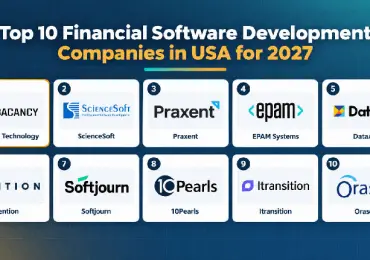
 Photo by MART PRODUCTION on Pexels
In an age where innovation is no longer optional but essential, businesses across sectors are embracing digital transformation to stay relevant and competitive. At the heart of this evolution lies software—powerful, intelligent, and increasingly custom-built. Custom software development enables companies to not only digitize operations but to reshape their entire business models around agility, automation, and user-centricity.
Digital transformation refers to the strategic integration of digital technologies into all areas of a business. It’s not just about adopting new tools—it’s about redefining how value is delivered to customers, how decisions are made, and how operations function. Companies undergoing digital transformation often shift from legacy systems to flexible, scalable solutions that enhance data accessibility, streamline workflows, and foster innovation.
This transformation typically includes: cloud adoption, process automation, data analytics, artificial intelligence, mobile enablement, and user experience redesign. However, no two businesses have identical needs. That’s where custom software solutions enter the picture.
While off-the-shelf software offers convenience and lower upfront costs, it rarely aligns perfectly with a company's workflows, objectives, or compliance requirements. Custom software development, on the other hand, allows for building systems tailored to specific operational and strategic goals. This tailored fit offers several advantages critical to digital transformation:
Custom solutions eliminate unnecessary steps and bottlenecks by mirroring how a business actually works, not how a generic system thinks it should. Automation can be built precisely around internal processes, whether that’s handling logistics in a warehouse, managing patient records in healthcare, or tracking inventory in retail.
A key requirement of digital transformation is adaptability. As businesses grow and markets evolve, their software must keep pace. Custom systems are built with growth in mind—architected to support additional users, integrate with new tools, and accommodate new services or products without major overhauls.
Most companies already rely on a mix of legacy and modern platforms. Replacing all systems can be disruptive and costly. Custom software can act as a bridge—integrating with current technologies, extending functionality, and creating a unified digital ecosystem. This approach protects existing investments while moving the company forward technologically.
Data is the engine of digital transformation. Custom applications can be designed to capture, analyze, and visualize data in ways that matter to a particular business. Whether it’s real-time dashboards for executives or predictive analytics for supply chain management, the ability to derive insights from data improves responsiveness and strategic planning.
Digital transformation is not just internal—it must also impact how customers interact with a brand. A well-crafted custom application reflects the preferences and expectations of its user base. Personalized experiences, faster loading times, responsive design, and intuitive interfaces all contribute to higher user satisfaction and loyalty.
Different sectors approach digital transformation in varied ways, but the benefits of custom software are consistent across industries:
Finance: Automating compliance reporting, fraud detection, and real-time analytics.
Healthcare: Developing EHR systems tailored to regulatory standards and patient management workflows.
Manufacturing: Integrating IoT with ERP systems for real-time equipment monitoring and predictive maintenance.
Retail: Building omnichannel platforms that unify physical and digital customer experiences.
Education: Creating custom LMS platforms that adapt to different learning styles and curricula.
Each of these applications highlights the importance of solutions tailored to the specific context in which they operate.
While the benefits are substantial, implementing custom software in a digital transformation strategy is not without hurdles.
Custom software development involves significant upfront planning and investment. Projects can take months to complete, depending on complexity. However, the long-term value often outweighs initial costs, especially when considering reduced licensing fees and increased efficiency.
Employees accustomed to legacy systems may resist new workflows. Organizations must invest in training and change management initiatives to support smooth transitions. Early stakeholder involvement and clear communication are essential for user adoption.
Choosing the right development partner is critical. A poorly built system can create more problems than it solves. To mitigate risks, businesses should vet vendors carefully, require code documentation, and maintain internal oversight throughout the development process.
Before embarking on a custom software project, businesses should:
Conduct a thorough needs assessment: Identify which processes require digitization or optimization.
Define measurable goals: Whether it's cutting processing time by 30% or increasing data accuracy, goals guide design decisions.
Map existing infrastructure: Understand how new systems will integrate with current tools.
Ensure scalability: Future-proof software by building on adaptable frameworks.
Prioritize security: Embed data protection and compliance from the ground up.
These steps help ensure that the solution aligns with business strategy, not just current technical needs.
As technology continues to evolve, so too will the possibilities for digital transformation. However, regardless of the tools used, the need for customized, responsive, and scalable solutions remains central.
Organizations that treat custom software development not as a one-time project but as an ongoing strategic function will be better positioned to adapt, compete, and thrive in a digital-first economy.
By aligning technology with unique operational needs, custom software serves as both a foundation and a catalyst for transformation. It enables businesses to do more than digitize—they can redefine their very way of working. And in a world where the only constant is change, that kind of agility isn't just valuable. It’s essential.


Discover our other works at the following sites:
Danetsoft is a global web agency headquartered in Indonesia, specializing in web development, managed hosting, and web publishing platform.


 [email protected]
 Magelang, Central Java
© 2026 Danetsoft. Powered by HTMLy