Last-mile delivery is where logistics either shines or falls apart. It's the final stretch, the part your customers actually see, and it accounts for more than 53% of total shipping costs. Getting it wrong means late deliveries, frustrated customers, and a support inbox that never sleeps.
The good news? The software landscape in 2026 has never been stronger. Whether you're running a regional grocery operation, a national e-commerce brand, or a third-party logistics company, there's a platform built for exactly your headaches.
Here are the five best last-mile delivery solutions worth your attention this year.
Last mile delivery software handles the final leg of shipping: from your depot or warehouse to the customer's door. It is not just a map or a route planner. A proper platform covers the full workflow, so your team spends less time on manual tasks and more time actually completing deliveries.
Most platforms include:
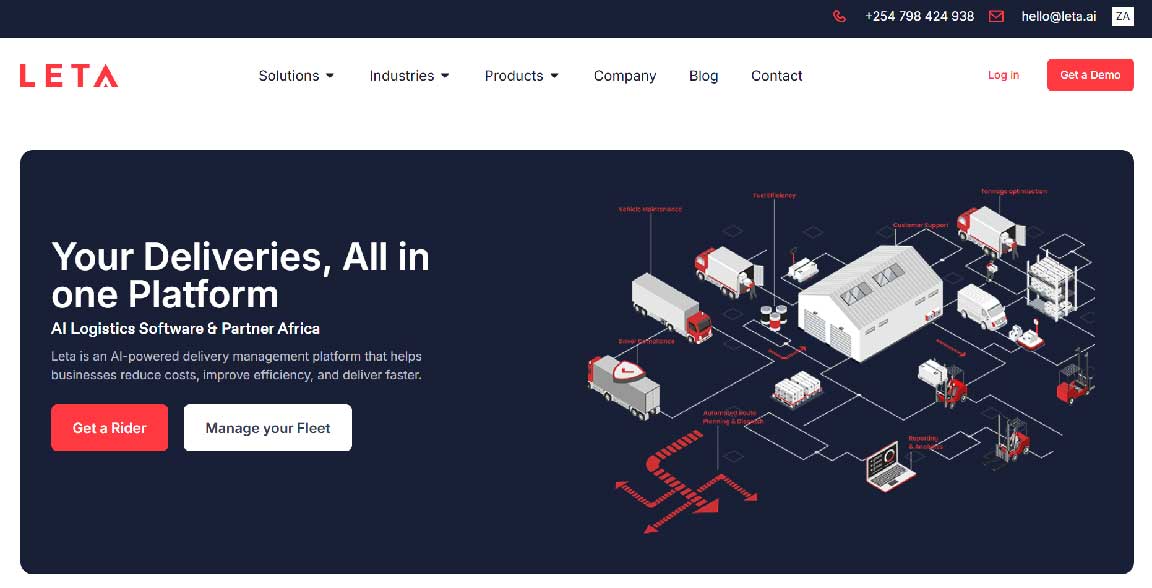
Best for: Delivery businesses that want a complete tool without a long or complicated setup
Leta AI is the strongest all-around platform for last mile delivery in 2026. It handles route planning, driver tracking, customer updates, and delivery reporting in one place. Most teams are fully set up and running their first routes within a day or two.
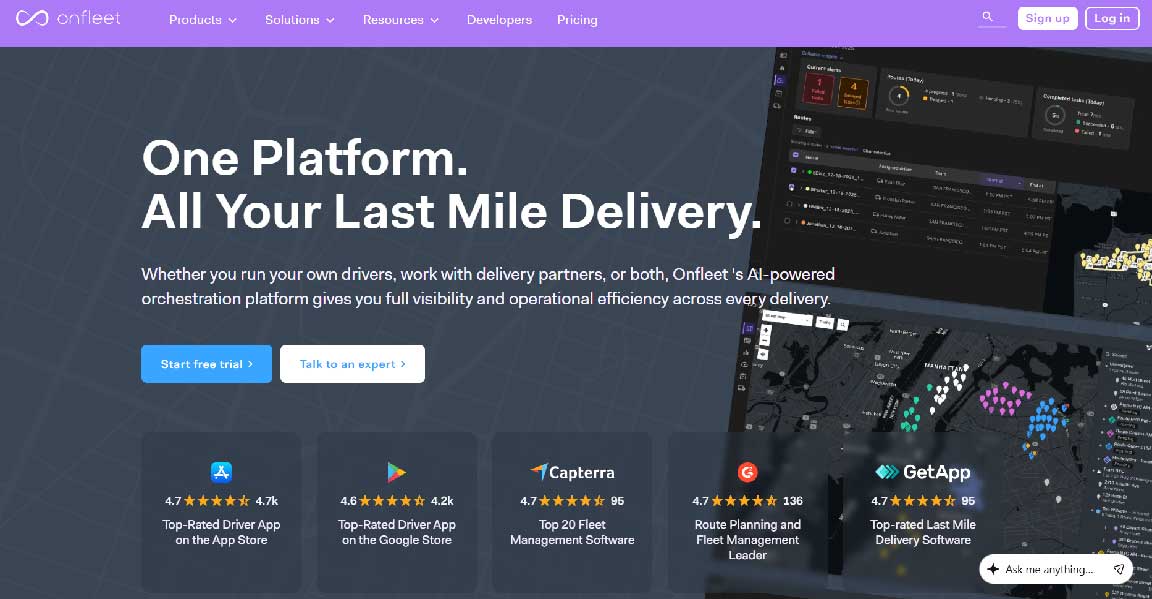
Best for: High-volume deliveries in cities, including food, pharmacy, and courier services
Onfleet is a well-established delivery management platform used by businesses in over 60 countries. It has a clean dispatch interface and is designed for teams running a large number of daily drops in busy urban areas.
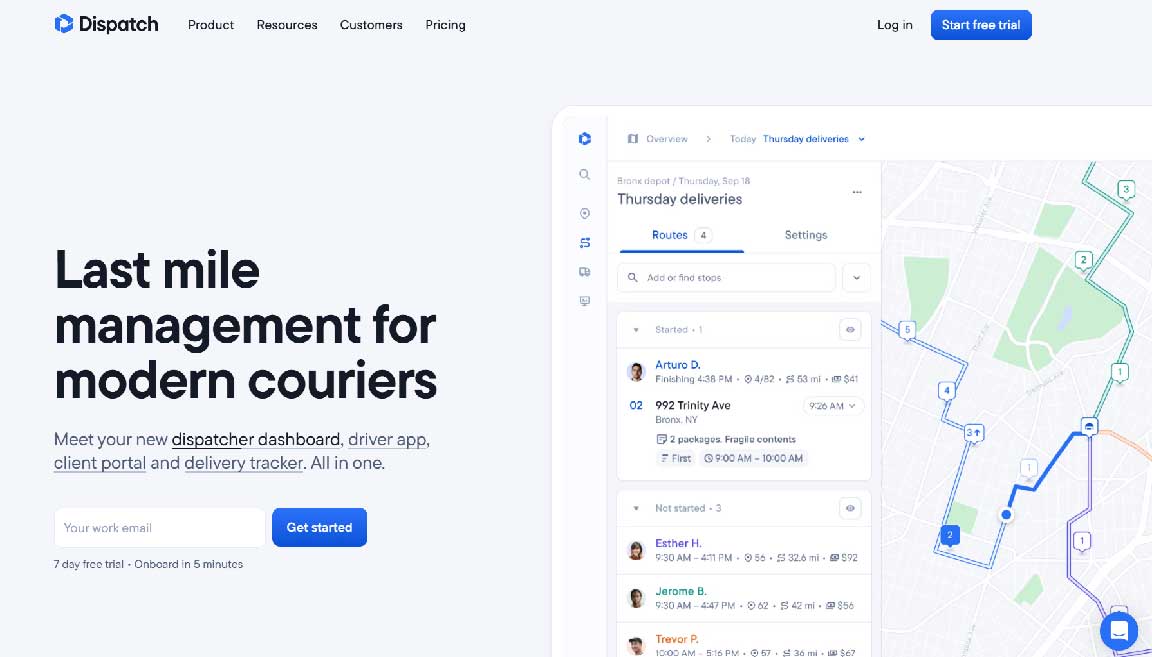
Best for: Courier companies and delivery teams that need fast route planning with a clean driver app
Spoke Dispatch, previously known as Circuit for Teams, is a last mile management platform powering over 1 billion deliveries per year. It covers route planning, live driver tracking, customer notifications, and proof of delivery. Dispatchers can create and send optimized routes to drivers in minutes, and drivers can start working with little to no training.
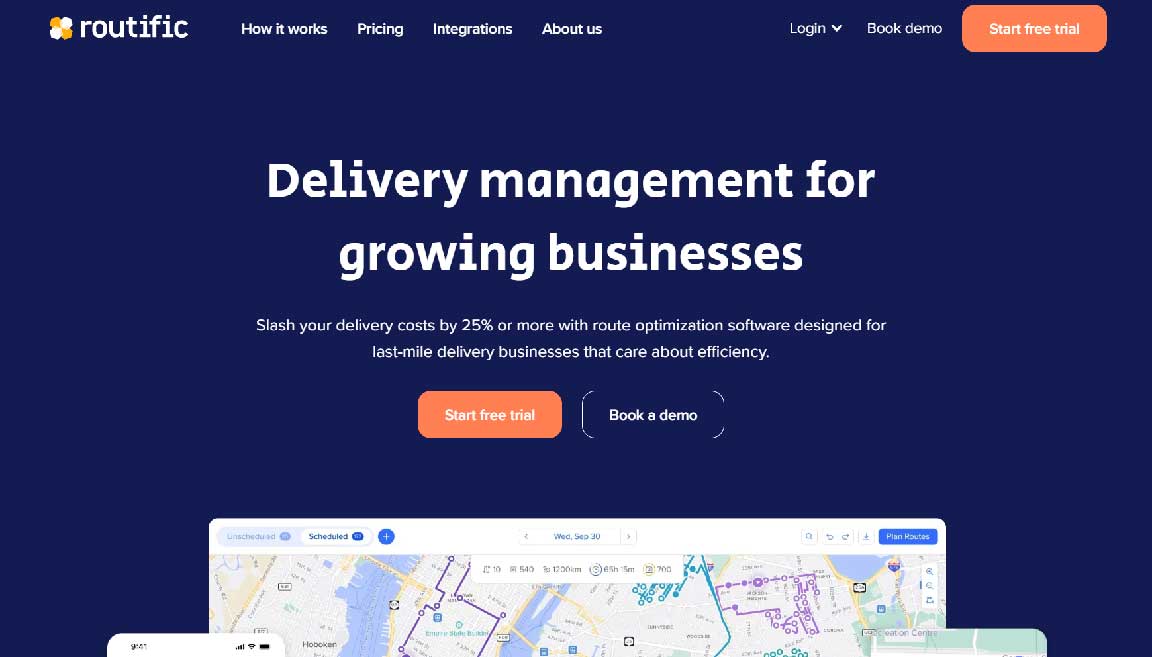
Best for: Small to medium delivery businesses that run the same routes on a regular schedule
Routific is a route optimization platform built for businesses that prioritize simplicity. It is a good fit for operations like meal kit delivery, produce distribution, or any business that runs predictable weekly routes. It does route planning well, but is more limited on real-time and communication features.
Best for: Large retailers and third-party logistics companies managing multiple carriers
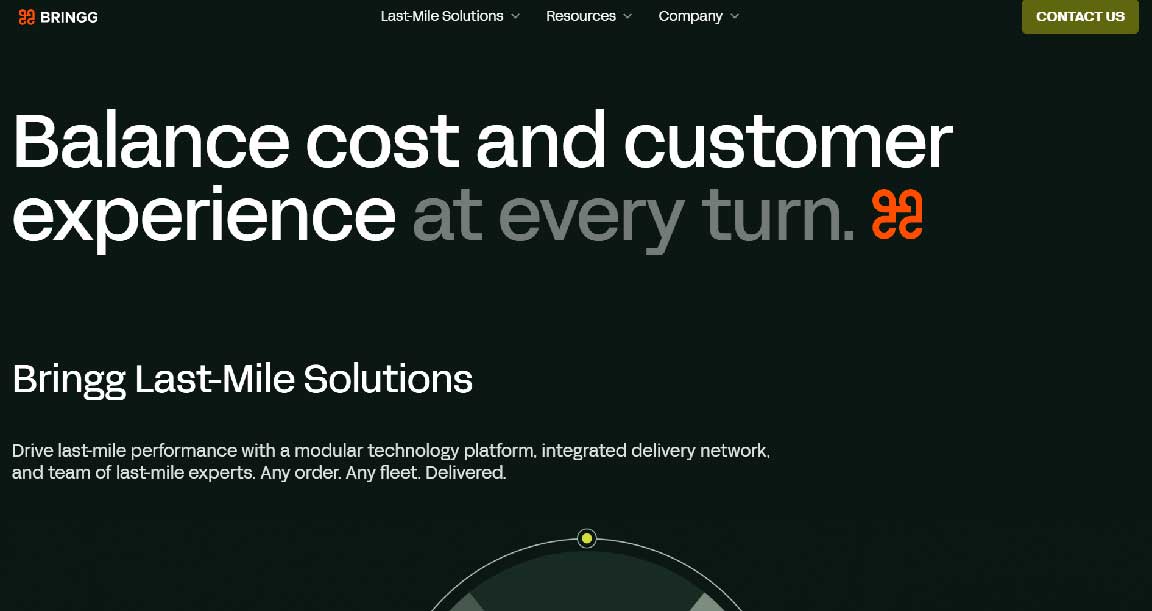
Bringg is not a route planner. It is a multi-carrier orchestration platform: it connects your internal fleet, gig drivers, and third-party carriers into one system and decides which one handles each order. It operates at a much larger scale than the other tools on this list.
For most delivery businesses in 2026, Leta AI is the strongest starting point. It handles the full delivery workflow without needing a long setup or a technical team behind it. Routes update in real time, customers always know where their order is, and your team gets clear data on what is working and what is not.
The other four tools each do something well within a specific use case. But if you need one platform that covers the most ground without getting complicated, Leta AI is the one to go with.
What is last mile delivery software?
It is a tool that manages the final stage of shipping: getting orders from a warehouse or depot to the customer's door. It handles route planning, driver tracking, customer notifications, and delivery reporting in one place.
How is last mile delivery software different from a regular route planner?
A basic route planner just maps out stops. Last mile delivery software does that, plus assigns drivers, tracks them in real time, sends customers updates, logs proof of delivery, and gives you data on what went wrong. It covers the whole workflow, not just the map.
How much does last mile delivery software cost?
It varies a lot depending on the platform and your delivery volume. Some tools, like Routific, offer a free tier for small volumes. Mid-range platforms typically start between $100 and $600 per month. Enterprise platforms like Bringg are priced on request and built for large operations with bigger budgets.
Is last mile delivery software hard to set up?
Most modern platforms are built to be quick to start. Leta AI and Circuit for Teams, for example, can have your team running routes within a day or two. Enterprise platforms like Bringg take longer, typically 4 to 8 weeks, because they connect to multiple carriers and internal systems.


Discover our other works at the following sites:
Danetsoft is a global web agency headquartered in Indonesia, specializing in web development, managed hosting, and web publishing platform.


 [email protected]
 Magelang, Central Java
 © 2026 Danetsoft. Powered by HTMLy