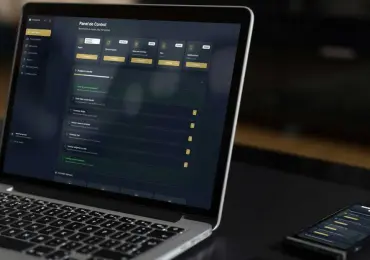
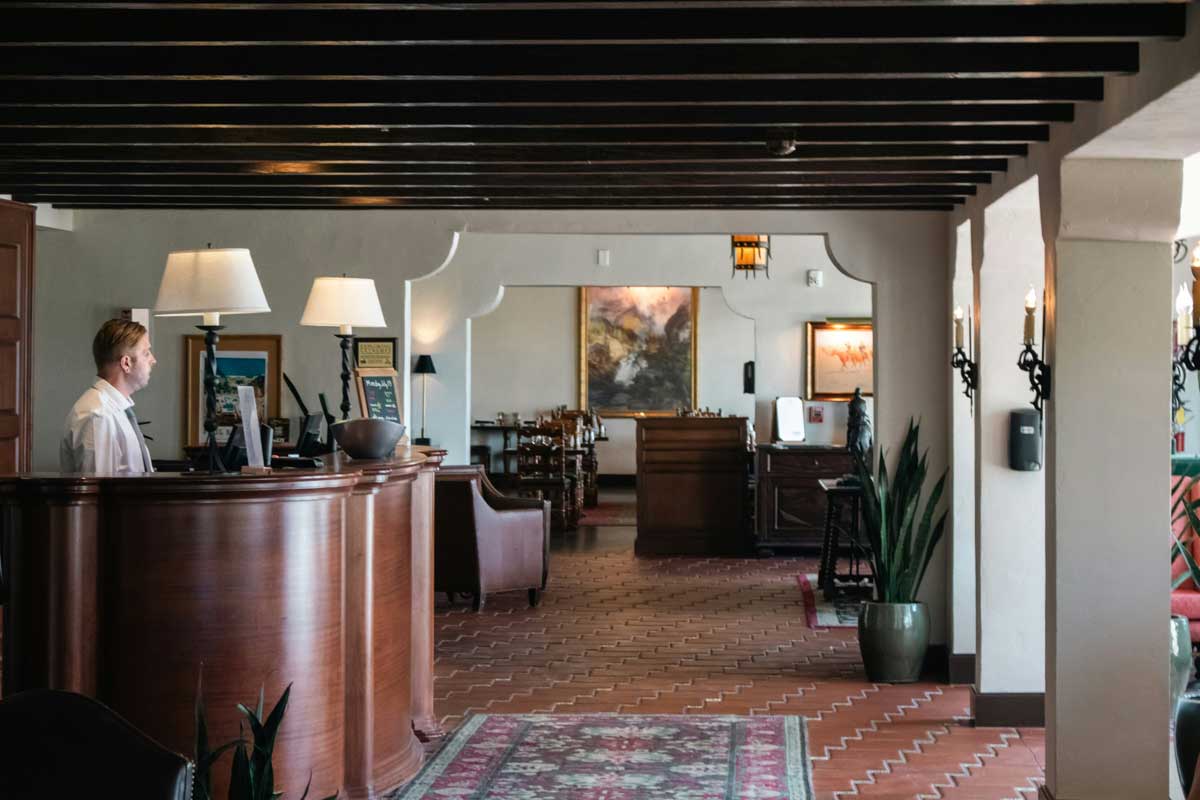
 Photo by Zoshua Colah on Unsplash
Running a hotel is a nonstop balancing act. We are managing reservations, room status, guest requests, payments, housekeeping, maintenance, and distribution at the same time, often with a team that is already stretched thin. When those moving parts live in different systems, or worse, on paper and spreadsheets, mistakes happen fast. A missed room update can lead to a delay at check-in. A booking sync issue can create an overbooking. A slow billing workflow can frustrate guests and staff at the same time.
That is why hotel management software has become so important. The best platforms do more than store reservations. They help us keep operations organized, reduce repetitive work, and give guests a smoother experience from the moment they book to the moment they leave. For independent hotels, boutique properties, resort groups, and large chains, the right system can shape daily performance in a real way.
In this guide, we look at seven hotel management software options that stand out in 2026. We focus on what actually matters in day-to-day hotel work, ease of use, automation, distribution, support, reporting, and how well each product fits different property types.
Not every hotel needs the same platform. A small independent property does not operate like a large chain, and a city hotel has different needs from a resort or hostel. Still, there are a few core features that most hotels should look for.
The strongest systems usually offer:
A good platform should help us move faster at the front desk, keep room data accurate, and cut down on tasks that do not add value to the guest experience. If it only looks polished in a demo but feels clunky in real use, it will not help much when the lobby is busy and the phones will not stop ringing.
Mews stands out for hotels that want a modern system built around automation and a smoother guest journey. It is a strong fit for independent hotels, boutique properties, and growing groups that want a cloud-based platform with flexible integrations.
One of the biggest strengths of Mews is how naturally it centers the guest profile. Instead of making staff jump between separate tools, the system keeps guest information, reservations, charges, and service history connected in one place. That makes front desk work feel more organized and less reactive.
The platform is also known for being easy to learn. That matters a lot in hotels with seasonal staffing or frequent team changes. A system that new employees can pick up quickly saves time and lowers training stress.
Automation is another major advantage. Mews supports online check-in, kiosk check-in, automated payments, and guest messaging, all of which help reduce pressure on the front desk. Those features do not just save time, they also make the guest experience feel more modern and efficient.
Its integration ecosystem is another reason many teams choose it. Mews connects with a wide range of hotel tools through APIs and marketplace partners, which helps us build the stack we actually need instead of forcing everything into one rigid product.
Housekeeping coordination is also strong. Room status updates happen in real time, so the front desk can see what is clean, dirty, or inspected without chasing updates by phone.
Some users feel invoicing could be more flexible, especially for complex billing situations or split invoices. Larger multi-property groups may want to review how it handles portfolio-level oversight.
Cloudbeds is one of the most complete options for hotels that want reservations, channel management, booking, and payments under one roof. It is especially appealing for independent hotels, hostels, and smaller groups that want a simpler tech stack.
The main advantage of Cloudbeds is how much it brings together in one place. Instead of juggling separate systems for the PMS, booking engine, and channel manager, we get a unified setup that helps reduce errors and makes training easier.
Users often appreciate its clean interface. Reservations, guest profiles, room inventory, and front desk tasks are straightforward to navigate, which helps staff get comfortable quickly. That ease of use can matter a lot when a team needs to onboard new employees without a long ramp-up period.
Its channel manager and booking engine are also major selling points. Hotels selling through OTAs such as Booking.com, Expedia, and Airbnb can keep inventory synced in real time, which lowers the risk of overbooking and helps maintain accurate availability across channels.
Cloudbeds also works well for operators with multiple properties. Being able to manage several locations from one system gives teams a clearer picture of performance across the portfolio, which helps with planning and oversight.
Support and onboarding are often mentioned positively too. For smaller properties without technical staff, responsive help can make a huge difference during setup and beyond.
Reporting may feel limited for teams that need deep customization. Some users also mention slowdowns during heavier operations or bulk updates.
SkyTouch Technology is built with economy and mid-scale hotels in mind. If a property wants a practical, reliable system that staff can learn quickly, this is worth serious consideration.
Its biggest strength is simplicity. The interface is easy to navigate, and that can reduce training time significantly. For hotels with high staff turnover, a shorter learning curve is a major operational win.
SkyTouch gives managers a centralized dashboard and tape chart that make it easier to view arrivals, departures, and room status in one place. That kind of visibility helps the front desk react quickly when rooms change status or when a reservation needs attention.
Quick-edit tools also make everyday tasks smoother. Adjusting reservations, handling groups, and managing room blocks becomes easier when the workflow does not feel cluttered.
Reporting is another useful part of the system. The platform provides visibility into occupancy, sales, and guest trends, which helps managers make informed decisions without digging through disconnected data.
Many users also speak highly of support, especially the responsive U.S.-based team.
Some users report that the system can feel slow during busy periods. Billing workflows may also need closer review if a hotel handles more complex payment situations.
HotelRunner is a strong option for hotels that rely heavily on online sales and multi-channel distribution. It combines PMS functionality with channel management, booking engine features, and digital sales tools.
One of its biggest strengths is real-time synchronization across channels. Rates and availability stay aligned between OTAs and direct booking channels, which helps us keep inventory accurate and reduces the chance of errors.
Guest messaging is another useful feature. Automated communication before arrival, during the stay, and after checkout helps us stay in touch with guests without adding more manual work to the team.
HotelRunner also supports direct booking growth through website and booking engine tools. For hotels that want to bring in more direct reservations and reduce OTA dependence, that can be a big advantage.
Support tends to get good marks as well, which matters because setup and configuration can take some effort, especially for teams that do not have much technical experience.
The interface may take some getting used to, and some users feel that pricing setup and rule management could be easier.
Oracle Hospitality OPERA PMS is the heavyweight in this group. It is designed for large hotels, full-service properties, and chains that need deep operational control across multiple departments and locations.
This platform offers broad functionality, including guest profiles, reservations, billing, housekeeping, room inventory, reporting, and integrations. For complex operations, that depth can be essential.
OPERA is also built to scale. It is widely used in multi-property and multi-brand environments, where standardized workflows and centralized control matter a great deal. Hotels with large teams, layered approval structures, or advanced group business often need that kind of capability.
Its connection with other Oracle products is another strength. Finance and accounting integration can help reduce data mismatches and improve reporting accuracy across departments.
The learning curve is steeper than with lighter cloud systems. Some users also mention that the interface can feel dated, and support quality may vary depending on the region.
Canary Technologies is not a full PMS, but it solves a very important part of hotel operations. It is built for secure payments, digital authorizations, contactless check-in, guest messaging, and upselling.
Its original strength is digital credit card authorization. Instead of paper forms or awkward back-and-forth exchanges, guests can complete secure authorization requests online. That saves time and reduces risk for us and for the guest.
Security is central to Canary’s appeal. It focuses on PCI compliance, safe payment handling, and verified card collection, which matters in an environment where fraud and chargebacks can be costly.
Canary has also grown into more guest-facing tools. Contactless check-in, messaging, and upsell offers help reduce pressure on the front desk while giving guests a more modern experience.
Because it works alongside a PMS rather than replacing one, Canary is best seen as a specialist tool. That can be a strength when a hotel wants to improve a specific workflow without rebuilding its core system.
Since it is an add-on, hotels still need to manage integration with their core platform. Some users also note that workflows may involve moving between different screens.
roommaster is a solid choice for independent and owner-operated hotels that want dependable operations without unnecessary complexity. It may not be the flashiest platform, but it is known for getting the essentials right.
One of its strengths is how it keeps reservations, guest data, and billing together in a single system. That helps reduce front desk confusion and keeps the daily workflow more orderly.
Ease of use is another major plus. New staff can usually learn it quickly, which is very helpful for smaller hotels that do not have time for long onboarding cycles.
Support is where roommaster really stands out. Users frequently praise the team for being responsive and helpful, and that kind of support can be a lifeline for smaller properties that need quick answers.
The platform also offers a broader set of tools, including a booking engine, channel manager, and reporting functions, which helps independent hotels cover more ground without adding too many vendors.
The interface can feel a little dated, and reporting flexibility may not be enough for hotels with more advanced needs.
| Software | Best for | Main strength |
|---|---|---|
| Mews | Automation-first hotels | Guest-centered workflows and integrations |
| Cloudbeds | All-in-one operations | PMS, channel manager, and booking engine together |
| SkyTouch Technology | Simplicity and usability | Easy training and practical daily tools |
| HotelRunner | Distribution-heavy hotels | OTA sync and direct booking tools |
| Oracle Hospitality OPERA PMS | Large hotel groups | Deep enterprise functionality |
| Canary Technologies | Secure guest payments | Digital authorizations and contactless tools |
| roommaster | Independent hotels | Reliability and strong support |
Picking hotel management software is not about the biggest feature list. It is about finding the system that fits how we actually work every day.
A few questions help narrow things down:
The right answer depends on property size, workflow complexity, and how much time the team has for setup and training.
Hotel management software should make operations easier, not add another layer of stress. The best platforms help us cut manual work, improve visibility, and create a more reliable guest experience.
Mews and Cloudbeds are strong modern choices for hotels that want broad capability with a cloud-first feel. SkyTouch and roommaster are appealing for teams that want simplicity and dependable daily use. HotelRunner is a strong pick for properties focused on distribution and direct bookings. Oracle OPERA remains a major option for enterprise-scale operations. Canary fills an important gap for secure payments and digital guest workflows.
Each of these tools serves a different need, but the goal is the same, smoother operations, better team coordination, and a better stay for every guest who walks through the door.


Discover our other works at the following sites:
Danetsoft is a global web agency headquartered in Indonesia, specializing in web development, managed hosting, and web publishing platform.


 [email protected]
 Magelang, Central Java
 © 2026 Danetsoft. Powered by HTMLy