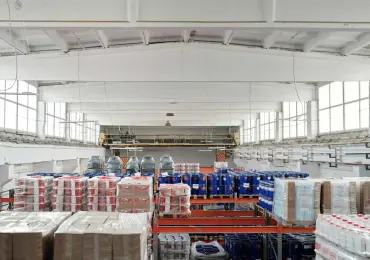
 Photo by Elba Sindoni on Unsplash
Asset tracking is no longer just about sticking a barcode on a laptop and updating a spreadsheet once in a while. In 2026, businesses need much more than that. We need systems that help us know where our assets are, who is using them, when they need maintenance, and whether they are still worth keeping. That applies whether we manage IT equipment, tools, vehicles, medical devices, warehouse gear, or shared office resources.
The best asset tracking software in 2026 does more than store information. It helps us reduce losses, speed up audits, improve maintenance, and make better decisions across the full lifecycle of our assets. When we choose the right platform, we save time, avoid duplicate purchases, and build more accountability into everyday operations.
Asset tracking software is a centralized system for recording and managing physical or digital assets. It keeps important details in one place, such as:
Instead of juggling spreadsheets, email threads, and paper forms, we work from a single source of truth. That makes it easier to answer basic but important questions, like where a device is, who last used it, and when it last received service.
Asset tracking has become more important because business operations have become more complex. Teams are spread across offices, remote locations, job sites, and homes. Equipment moves around more often, and manual tracking creates more room for mistakes.
The right software helps us stay in control in a few key ways.
We can see what we own, where it is, and who is responsible for it. That visibility reduces confusion and helps us avoid lost assets.
When we know what we already have, we stop buying unnecessary replacements. We also avoid the cost of surprise repairs and missed maintenance.
Audits become much easier when records are accurate and updated in real time. We spend less time searching for documents and more time verifying the facts.
Many modern tools now include maintenance scheduling, alerts, and work order tracking. That helps us extend the life of equipment and reduce downtime.
For regulated industries or organizations with strict internal controls, accurate asset records support reporting, oversight, and policy enforcement.
There are plenty of platforms on the market, but not all of them fit every team. The best software depends on how we work, what assets we manage, and how much automation we need.
We want current information, not outdated records from last week. Real-time updates are especially useful for mobile assets, shared equipment, and organizations with multiple locations.
A good mobile app makes it easy to scan items, check assets in and out, update locations, and complete audits from the field. This is a major time saver for teams that are always on the move.
Barcode and QR support remain essential. These tools let us identify items quickly and accurately, especially when we are dealing with large inventories.
For higher-value or highly mobile assets, RFID and GPS can take tracking to the next level. RFID is ideal for bulk counts and fast scanning, while GPS helps us monitor vehicles and equipment in transit.
Asset tracking should not stop at location tracking. We also need to know when items need repairs, how often they are serviced, and when they should be replaced.
The best systems turn raw asset data into useful insights. We should be able to analyze utilization, maintenance costs, downtime, and asset age without exporting everything into another tool.
A strong asset tracking platform should connect with the systems we already use, such as:
Not everyone needs full access. Role-based permissions help us protect sensitive data and make sure users only see the features and records relevant to their role.
Several platforms stand out in 2026, each with different strengths. The right one for us depends on whether we prioritize flexibility, maintenance, simplicity, or technical control.
Asset Panda remains one of the most flexible choices for organizations that need more than basic inventory tracking. It is known for customization, mobile access, and strong reporting capabilities.
It works well for teams that manage complex workflows and need to adapt the system to their processes instead of changing their process to fit the software.
Best for:
Why it stands out:
EZOfficeInventory is a solid option for organizations that want an easy-to-use system with powerful core tracking features. It handles check-in/check-out, barcode scanning, maintenance, and inventory management well.
It is especially useful when we need to manage shared equipment that moves between people or locations.
Best for:
Why it stands out:
Snipe-IT is a popular open-source asset management platform, and it remains especially attractive for IT teams. It offers good control, flexibility, and cost efficiency for organizations that have technical resources available.
It is a strong fit for tracking laptops, monitors, phones, licenses, and employee-issued equipment.
Best for:
Why it stands out:
UpKeep is best known for maintenance management, and that strength makes it a great asset tracking option for organizations where equipment uptime really matters. It combines asset records, work orders, and preventive maintenance in one platform.
This is useful when we need to track not just the asset itself, but also the work that keeps it running.
Best for:
Why it stands out:
Fiix is another strong platform for maintenance-heavy environments. It is often a strong fit for industrial operations where assets need regular servicing and detailed maintenance history.
If our biggest pain point is equipment uptime, Fiix deserves attention.
Best for:
Why it stands out:
Monday.com is not a dedicated asset tracking system in the traditional sense, but its templates and workflow tools make it a practical choice for smaller teams or businesses that already use it for operations.
It is best when we need something lightweight and easy to launch without a lot of setup time.
Best for:
Why it stands out:
Instead of choosing software based only on brand recognition, it helps to match the platform to the actual job.
For tracking laptops, monitors, software licenses, and employee-issued devices, Snipe-IT and Asset Panda are excellent choices. They both give us strong visibility into who has what and when items need to be returned or refreshed.
If equipment upkeep matters as much as asset location, UpKeep and Fiix are strong picks. They help us keep maintenance and asset data connected, which reduces downtime and improves planning.
For tools, rental items, and assets that move between users frequently, EZOfficeInventory is especially effective. Its check-in/check-out functions make accountability much easier.
If we need a platform that can adapt to unusual processes or multiple departments, Asset Panda is a standout choice. It gives us flexibility without requiring us to build a custom system from scratch.
If our needs are simple and our budget is limited, Monday.com templates can work well as a lightweight starting point. They are not as specialized as dedicated asset platforms, but they can still be useful.
Asset tracking software keeps evolving, and several trends are changing what businesses expect from these platforms.
More platforms now use AI to identify unusual usage patterns, predict maintenance needs, and highlight potential issues before they become expensive problems. This gives us more proactive control.
Connected sensors are becoming more useful for monitoring conditions like movement, temperature, and location. For sensitive or high-value assets, this adds another layer of visibility.
Cloud-based systems continue to dominate because they let us access asset data from anywhere. That matters for hybrid teams and field operations.
As asset systems hold more business-critical information, security features like multi-factor authentication, encrypted storage, and permission controls are becoming standard expectations.
More organizations want to get the most value out of every asset. Asset tracking software now helps us repair, reuse, and replace equipment more intelligently, which supports both cost savings and sustainability goals.
The best platform is not always the most feature-rich one. It is the one that fits our workflow and makes our daily work easier.
Solutions such as BlueTally can help organizations simplify asset tracking by keeping important asset information organized and accessible in one place.
If we only need to track office equipment, a heavyweight system may be unnecessary. If we manage assets across multiple sites, vehicles, or job locations, then advanced tracking and automation may be essential.
The goal is not to buy the most complex tool. The goal is to choose the tool that helps us manage assets with less effort and fewer mistakes.
The best asset tracking software for 2026 gives us far more than a digital inventory list. It helps us protect equipment, improve maintenance, reduce waste, and make smarter business decisions.
Whether we choose a flexible platform like Asset Panda, a maintenance-focused system like UpKeep or Fiix, an open-source tool like Snipe-IT, or a lightweight option like Monday.com, the most important thing is that the software fits our team and our real-world needs.
In 2026, asset tracking is not just about knowing what we own, it is about making every asset more useful, more accountable, and more cost-effective for us.


Discover our other works at the following sites:
Danetsoft is a global web agency headquartered in Indonesia, specializing in web development, managed hosting, and web publishing platform.


 [email protected]
 Magelang, Central Java
 © 2026 Danetsoft. Powered by HTMLy