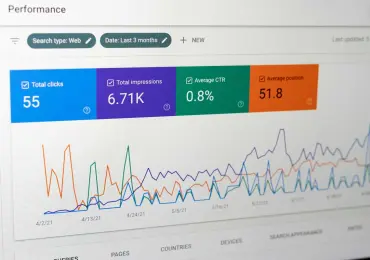
 Photo by James Harrison on Unsplash
A ticket that says "improve technical SEO" gets closed in a day and changes nothing. A ticket that says "return a 301 from /old-pricing to /pricing and drop the URL from the sitemap" gets shipped before lunch. Closing the distance between those two requests is most of what writing an SEO spec means.
Engineers rarely push back on search tasks just to be difficult. They resist vagueness, unclear priorities and requirements that arrive after the sprint has been planned. Teams that bring in an SEO agency that works closely with developers often notice the first change is not tactical at all: the requests start arriving in the same format as every other engineering task, with acceptance criteria and a reason attached.
Start with the outcome, not the tactic. "Product pages should be indexable with unique titles" tells an engineer what done looks like, while "add more keywords" tells them nothing testable. One line of context about why it matters, such as "these 1,200 URLs currently share a single title template", is usually enough to earn attention.
Then add the three things every ticket needs: the exact scope, a way to verify the result, and a priority. Scope means named templates or URL patterns, not "the site". Verification can be as simple as a curl command, a Search Console report or a rendered-HTML check in the browser's source view. Keep each spec to one change. Developers estimate small items accurately and large ones optimistically, so splitting work makes sprint plans honest. A ticket that bundles canonical tags, hreflang, and page speed gets partially done and then stalls. Three small tickets move through review at three different speeds, and none of them blocks the others.
The same recommendation can be written well or badly, and the difference shows up in how fast it ships. Side by side, the rows show typical wording next to rewrites that come with clear pass-or-fail conditions.
| Vague request | Actionable version | How to verify |
|---|---|---|
| Fix duplicate content | Add a self-referencing canonical to all /blog/ pages | View source on five sample URLs |
| Speed up the site | Serve hero images as WebP under 150 KB | Lighthouse LCP under 2.5 seconds |
| Clean up redirects | Replace the 302 on /shop with a 301 to /store | curl -I returns 301 |
| Make pages crawlable | Remove the noindex tag from /category/ templates | URL Inspection shows "indexable" |
Notice what the right-hand column does. It lets the developer close the ticket on their own, without waiting for an SEO to confirm anything.
Name the framework conventions the developer already uses. When the stack is Next.js, tell the developer which file should hold the title and description tags. For a WordPress theme, name the exact template file. A spec that speaks the stack's language reads like a colleague's note rather than an outside audit.
Include a before-and-after example, ideally copied from a staging page the developer can open in a second tab. Seeing the current title tag next to the intended one takes five seconds and prevents the classic misreading where "shorten the title" becomes a rewrite of the whole template. Ten lines of expected HTML output remove more ambiguity than three paragraphs of explanation, and they double as a test case.
Estimate effort together. Ask the developer how long a change takes before assigning it a priority, because a two-hour fix with moderate impact often beats a three-week project with a higher ceiling. Bring traffic numbers to that talk, showing which templates draw the most organic sessions and which pages hover just below the first results page.
Reserve a recurring slot, perhaps fifteen minutes in planning, for search items. When SEO tickets show up on a predictable schedule, they stop feeling like interruptions. After release, close the loop. Tell the developer what happened to rankings or crawl stats after their change shipped. Engineers who see a 12 percent lift in indexed pages from their own pull request become the people who start asking about the next fix. A short checklist keeps every spec consistent:


Discover our other works at the following sites:
Danetsoft is a global web agency headquartered in Indonesia, specializing in web development, managed hosting, and web publishing platform.


 [email protected]
 Magelang, Central Java
 © 2026 Danetsoft. Powered by HTMLy