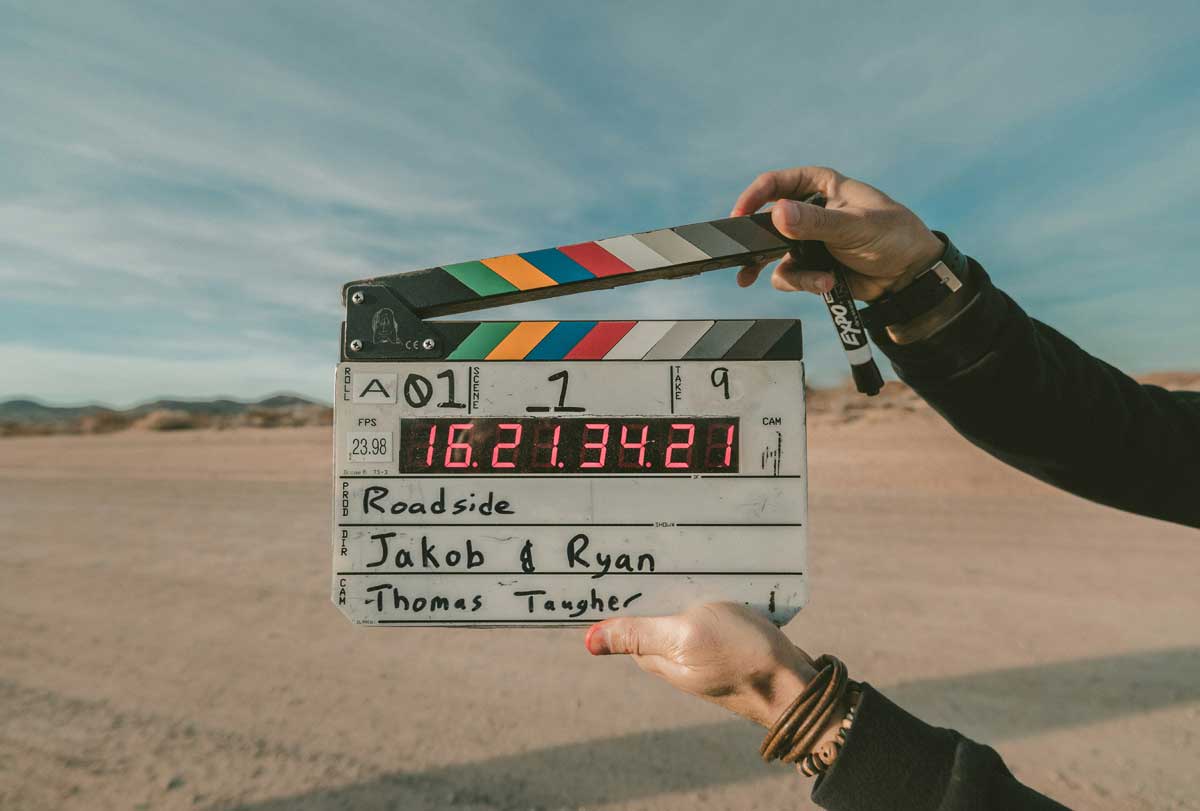
 Photo by Jakob Owens on Unsplash
AI video is no longer a side conversation in tech circles, and it is definitely not just a flashy demo meant to impress people for a few seconds. It is becoming part of the everyday machinery of how we create, share, learn, market, and entertain. That shift matters because video already sits at the center of modern communication. If video changes, a lot more changes with it.
What makes this moment especially important is that several things are happening at the same time. Video is in higher demand than ever. Content moves faster than traditional production teams can keep up with. AI tools are improving quickly. And more people than before want to make video without spending weeks on planning, shooting, and editing. Put all of that together, and we get a major shift in how media gets made.
If we look at how people spend time online, video is everywhere. We watch short clips while scrolling, long explainers when we need help, product demos before buying, livestreams for entertainment, and training videos at work. Even customer support has moved toward video in many cases because it is often faster and easier to understand than a wall of text.
This makes sense. Video delivers movement, voice, expression, pacing, and context all at once. We do not need to decode it in the same way we decode a long article or a dense manual. It feels immediate. It feels human. That is a huge advantage in a world where attention is tight and everyone is moving quickly.
But the same thing that makes video powerful also makes it hard to produce. Good video usually takes planning, recording, editing, captions, formatting, and distribution across multiple platforms. If a team wants one polished piece, the time and cost can be manageable. If a team wants twenty clips for different audiences and channels, the workload climbs fast. AI enters this gap.
One of the biggest reasons AI video matters right now is that it lowers the barrier to entry. For a long time, people needed specialized tools and skills to make video look professional. That created a divide between those who could produce content easily and those who could not. A small business with a good idea might struggle to turn it into a finished clip. A teacher might have strong lessons but not the time or technical skill to package them well. A nonprofit might need video for outreach but not have the budget for a full production workflow.
AI changes that balance.
A lot of video work is not glamorous. Writing rough scripts, cutting out pauses, adding subtitles, resizing for different platforms, generating voiceovers, translating content, and organizing clips can take more time than people expect. AI can help with many of these tasks, which gives us more time to focus on the message itself.
Many people have ideas but feel blocked by the editing process. They open a complicated tool, see too many options, and stall out. AI-assisted systems can simplify that process and help us move from concept to finished video much faster.
When video production becomes easier, more people can participate. That means educators, founders, community groups, marketers, independent creators, and internal teams can all make useful content without needing a large studio behind them.
This is not just about convenience. It is about access. When more people can make video, more stories get told.
AI video is taking off because the demand for video never really slowed down. In fact, it keeps rising.
People prefer video because it fits the way we live now. We are often short on time, switching between devices, and looking for information in the quickest possible format. Video can explain a concept in seconds that would take paragraphs to describe. It can also build trust faster than text alone because we can see tone, expression, and pacing.
Platforms know this. Social networks push video hard. Search engines surface video results more often. Brands rely on video to drive engagement. Companies use it to educate employees and customers. Creators use it to stay visible in crowded feeds.
The problem is that this appetite for video keeps outpacing the traditional production process. That is where AI starts to look less like a novelty and more like a practical answer to a real-world need.
We live in a faster communication cycle than before. Trends appear and disappear quickly. Product launches happen at a rapid pace. News moves almost instantly. Audiences expect timely responses. A company cannot wait weeks to publish a useful explainer about a new feature if customers need the answer today.
Traditional video production was not built for that tempo. It was designed for bigger projects with more time and more coordination. AI makes it more realistic to create and update content at the speed modern audiences expect.
A video about a trending topic is only useful while people still care about that topic. AI helps us create while the moment is still alive, not after the window has closed.
Instead of treating video like a rare major event, teams can think of it as an ongoing part of communication. That changes what is possible for marketing, training, education, and support.
When content is faster and cheaper to create, we can try more versions. We can compare different hooks, lengths, styles, and tones. That leads to better learning and better results over time.
A few years ago, many AI video tools were interesting but limited. They often looked strange, felt artificial, or worked only in narrow situations. What makes the current moment different is that the quality is becoming useful in real settings.
We are seeing better motion, cleaner transitions, stronger voice generation, improved lip sync, and more believable synthetic scenes. Editing tools are getting smarter too, which means AI is not just generating video, it is helping refine and shape it.
That matters because usefulness depends on trust. If a video looks off in a distracting way, people lose confidence quickly. But when the output is good enough for practical communication, the tool becomes part of a real workflow instead of just a curiosity.
Not every video needs to look like a movie. Many use cases care more about clarity, speed, and consistency. For those jobs, AI is starting to deliver exactly what people need.
This may be one of the most important parts of the AI video shift. For a long time, storytelling through video favored those with the most resources. Bigger teams had better equipment, more editing support, and more time to refine the final product. That does not disappear overnight, but AI begins to even the playing field.
A tiny team can now produce more content than would have been possible before. That can help startups, local businesses, educators, and independent creators compete in spaces that once belonged to much larger players.
When the tools are easier to use, communities can tell their own stories instead of waiting for outside institutions to do it for them. That can lead to more diverse viewpoints, more accurate local storytelling, and less dependence on mainstream gatekeepers.
A lot of good ideas never become videos because the process feels too complicated. AI can help remove that first obstacle. That is important because a barrier to creation is often a barrier to participation.
The more people can make video, the broader the range of voices we hear.
For companies, AI video is not a distant future conversation. It is already affecting daily operations. Marketing teams need more clips, more versions, and more frequent updates. Training teams need material that stays current. Support teams need clear explanations. Sales teams want personalized outreach. Internal communications teams need ways to keep employees informed without drowning them in text.
Brands do not just need one polished video anymore. They need short social clips, product explainers, ad variations, testimonials, event recaps, and localized versions. AI helps teams create more without increasing headcount at the same rate.
Policies, workflows, and products change. Traditional training videos can become outdated quickly. AI makes it easier to update sections without rebuilding everything from scratch.
A short video often explains a process better than a long help article. AI-assisted video can help teams answer common questions in a way that feels clear and approachable.
Many companies still rely too heavily on long memos and dense slides. Video often works better for updates, announcements, and onboarding. AI makes that format easier to produce regularly.
In other words, AI video is not only changing what companies make, it is changing how they communicate.
There is a larger economic story underneath all of this. Video already drives a huge share of value across advertising, ecommerce, education, entertainment, and creator-driven media. If AI lowers the cost and time required to make video, then the economics of all those sectors shift.
This seems simple, but it has wide consequences. When video becomes cheaper, more people can afford to make it. That increases supply, which changes competition, expectations, and business models.
AI can handle parts of the production process, but it does not eliminate the need for judgment. We still need people who understand audience, messaging, structure, brand identity, and visual taste. The value moves toward creative direction, workflow design, and content strategy.
In a crowded media environment, the teams that can create and adapt quickly gain an edge. Faster production can mean better timing, stronger visibility, and a tighter response to audience needs.
This is why AI video is more than a tool upgrade. It is part of a broader restructuring of how content becomes valuable.
It would be a mistake to treat AI video as pure upside. The same technology that helps us create faster can also be misused in harmful ways.
Video has always felt persuasive because we tend to believe what we can see. That makes fabricated footage especially dangerous. AI video can be used to impersonate people, spread false claims, or manipulate public opinion.
There are serious questions about training data, style imitation, and ownership of generated content. Those questions are still being argued in legal and creative spaces.
If people know that video can be generated or altered easily, they may begin to doubt even authentic footage. That can create a wider trust problem, not just a problem for obviously fake content.
When everyone uses the same tools in the same way, content can start to feel generic. Convenience is useful, but it can also lead to repetition if we do not bring strong human taste into the process.
These concerns do not make the technology less important. They make responsible use more important.
The best version of AI video is not the version with fewer people involved, it is the version where people use better tools to make stronger work.
AI can help with speed, scale, and consistency. But people still need to decide what the video is for, who it is for, what tone it should have, and what truth it should carry. That human layer is not optional. It is what gives the work meaning.
Video is not just a file format. It is a form of communication. It carries emotion, rhythm, and context. AI can assist with the mechanics, but us, as creators, teams, and audiences, still shape the message.
A lot of new technology arrives with hype. What makes AI video stand out is that the timing actually makes sense.
The need is obvious, since video already dominates attention. The pain point is real, since traditional production takes time and money. The tools are improving quickly, and they are finally good enough for useful tasks. The distribution channels are already in place, since platforms and audiences already reward video heavily.
That combination is rare. Usually one of those pieces is missing. Right now, they are all lining up at once.
AI video matters because it is not only changing video. It is changing how ideas move.
It changes who can create. It changes how fast content appears. It changes how much production costs. It changes how businesses communicate. It changes how stories are told and shared.
That is why this shift deserves serious attention. Not because it is a shiny new toy, but because it sits at the center of modern communication. As AI keeps improving, we are likely to see even more changes in how video is made and who gets to make it.
The result could be a more open creative landscape, with more voices, faster output, and better access. It could also bring more confusion, more misuse, and more pressure on trust. Both outcomes are part of the same story.
What is clear already is that AI video is not a passing trend. It is becoming part of the core infrastructure of digital communication, and that makes it one of the most important shifts happening right now.


Discover our other works at the following sites:
Danetsoft is a global web agency headquartered in Indonesia, specializing in web development, managed hosting, and web publishing platform.


 [email protected]
 Magelang, Central Java
 © 2026 Danetsoft. Powered by HTMLy