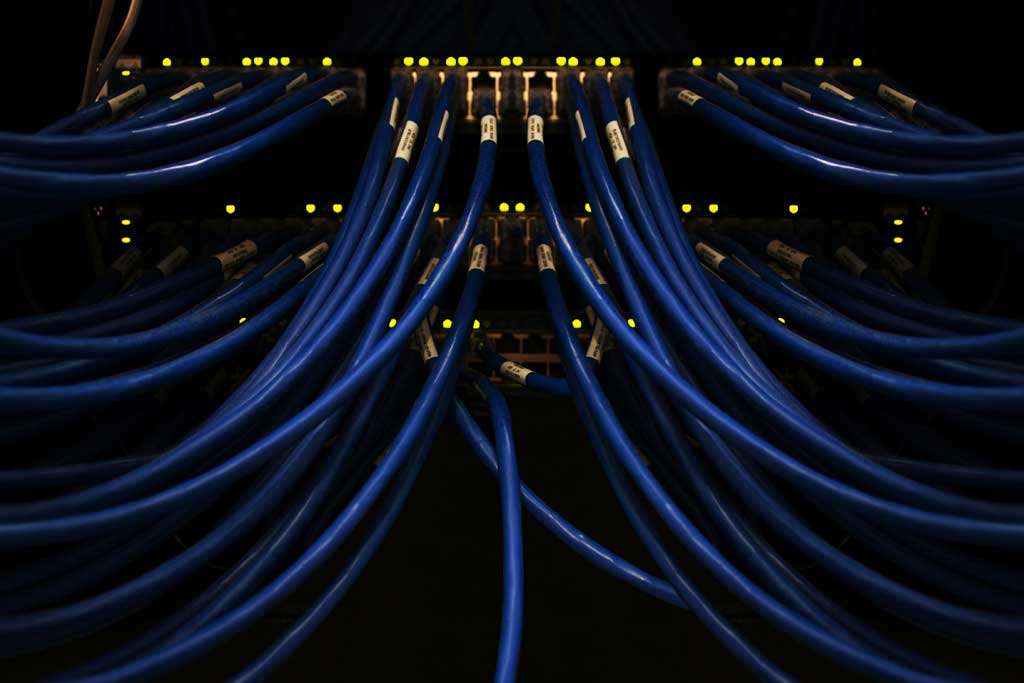
 Photo by Scott Rodgerson on Unsplash
In today’s connected world, proxies have become essential tools for privacy, security, data gathering, and bypassing internet restrictions. Among the many proxy types available, datacenter proxies stand out for their speed, affordability, and scalability. But what exactly are datacenter proxies, how do they work, and why might you want to use one? Let’s break it down.
Before diving into datacenter proxies specifically, it helps to understand proxies in general.
A proxy server acts as a middleman between your device, whether that’s a computer, smartphone, or another gadget, and the wider internet. Instead of your device connecting directly to websites or online services, your requests first go through the proxy server. The proxy then passes those requests on your behalf and returns the responses back to you.
Why bother with this extra step? Mainly for:
When you use a proxy, the website you visit sees the proxy’s IP address instead of yours. This makes it look like you’re browsing from a different location or device.
Datacenter proxies are a type of proxy whose IP addresses come from pools owned by data centers, large hosting facilities or cloud providers that house servers for multiple clients.
Unlike residential proxies, which use IP addresses assigned by Internet Service Providers (ISPs) to everyday users in their homes, datacenter proxies’ IPs are tied to cloud infrastructure.
Here’s the key difference:
| Proxy Type | IP Source | Origin of IP Addresses | Typical Use Cases |
|---|---|---|---|
| Residential Proxy | Residential ISP | Real users’ home devices (broadband, etc.) | Location-sensitive browsing, ad verification |
| Datacenter Proxy | Data center or cloud host | Virtual servers in hosting facilities | Web scraping, bulk data extraction, fast access |
Datacenter proxies are essentially IP addresses assigned to cloud servers in centralized data centers, like Amazon AWS, Google Cloud, or DigitalOcean. If you’re looking for cheap datacenter proxies, providers like proxy-cheap specialize in offering affordable, large-scale IP pools suitable for high-volume online tasks.
When you use a datacenter proxy, your internet traffic is routed through a server in the data center before reaching its destination.
Here’s the simplified flow:
This setup hides your original IP address behind the datacenter proxy’s IP. As a result:
Datacenter proxies come with some clear advantages:
Datacenters usually have robust, high-speed internet connections. This means fast request processing and low latency, which is perfect for tasks like data scraping or real-time monitoring.
Datacenter IPs are virtual and can be assigned in bulk, making them cheaper than residential IPs. If you need hundreds or thousands of IPs for scraping or managing multiple accounts, datacenter proxies are a budget-friendly choice.
They give you access to big IP pools that can be rotated easily. This spreads traffic across many addresses, reducing the risk of blocks and enabling parallel requests.
Most providers offer simple interfaces, API integration, and support for standard proxy protocols (HTTP, HTTPS, SOCKS). This makes them easy to plug into your tools and workflows.
Of course, they’re not perfect. Here are some drawbacks:
Datacenter IPs often come from known ranges registered to hosting companies. Websites with strict detection systems can spot and block them quickly.
If you need to appear as though you’re browsing from a real residential location, datacenter proxies won’t cut it. Their IPs don’t match genuine ISP addresses.
Because they’re commonly used for automated tasks, datacenter IPs are more likely to get flagged or blacklisted. This can disrupt your workflow if not managed carefully.
Datacenter proxies are great for:
If you need IPs that mimic real users, though, residential proxies are better despite the higher cost.
Datacenter proxies are fast, affordable, and scalable, with IPs coming from large hosting facilities rather than residential ISPs. They’re ideal for bulk tasks where speed and cost matter most, like scraping, monitoring, or automation.
That said, they’re easier to detect and don’t provide genuine geographic authenticity, so they’re not always the best fit.
"Datacenter proxy is a solution with high performance and relatively low cost, suitable when you need large numbers of IPs and fast access.”
Ultimately, the right proxy depends on your project’s needs and whether stealth or authenticity is more important.
Datacenter proxies are versatile and practical. Used wisely, they make web access faster, data extraction smoother, and restrictions easier to bypass without breaking your budget.
If you need bulk IPs, speed, and affordability, datacenter proxies are a strong option. But if stealth and authenticity matter more, residential proxies may be worth the extra investment.
Either way, proxies are key tools in today’s digital strategies, and knowing their strengths helps you make smarter choices.


Discover our other works at the following sites:
Danetsoft is a global web agency headquartered in Indonesia, specializing in web development, managed hosting, and web publishing platform.


 [email protected]
 Magelang, Central Java
 © 2026 Danetsoft. Powered by HTMLy