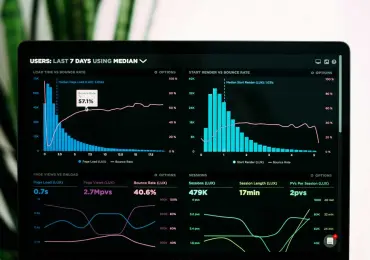
 Photo by Surface on Unsplash
Virtual platforms are everywhere now, even when we do not stop to name them. We join meetings on them, shop through them, learn from them, build products inside them, and sometimes even run whole businesses through them. They are not just websites or apps. They are digital environments that let us do real things without needing a fully physical setup for every step.
That idea has become more important as our work and personal routines keep moving online. We use virtual platforms to stay connected across distance, cut down on costs, test ideas safely, and make everyday tasks move faster. In many cases, they are no longer side tools. They are part of the basic structure that keeps modern life moving.
A virtual platform is a software-based environment that supports activity, interaction, or operations in place of, or alongside, a physical space. That can mean many different things depending on the purpose.
Sometimes the platform helps us talk and work together. Sometimes it gives us access to computing power. Sometimes it creates a simulated setting for learning, testing, or training. What all of these have in common is that they provide a digital space where real actions happen and real outcomes are produced.
The word “virtual” does not mean fake. It means the environment is created through software and digital infrastructure instead of a physical location or a single machine. We are still doing actual work, making decisions, and reaching real people.
Virtual platforms are broad by nature, which is part of what makes them so useful. They show up in many industries and serve many different goals.
These are the tools many of us use to message teammates, share files, hold meetings, and keep projects organized. Platforms like Slack, Microsoft Teams, Zoom, and Google Workspace are familiar examples.
They let us work together without needing to be in one room. A quick update can happen in chat, a file can be edited by several people at once, and a meeting can include participants from different cities or countries. For remote and hybrid teams, this has become essential.
Cloud platforms give us access to storage, software, databases, and servers without requiring us to own and maintain all the physical hardware ourselves. Services from AWS, Microsoft Azure, and Google Cloud are common examples.
This changes how organizations build and deliver digital services. Instead of buying a huge amount of infrastructure up front, we can scale resources as needed. That makes it easier to launch products, handle traffic spikes, and keep systems flexible.
Education has changed a lot because of online learning spaces. Learning management systems and virtual classroom tools allow students to access lessons, turn in assignments, take quizzes, and communicate with teachers from almost anywhere.
These platforms help learning fit into more lives. They can support people who work full time, live far from campuses, or need more flexible schedules. They also let educators mix live lessons, videos, discussion boards, and interactive tasks in ways that can make lessons feel more alive.
In fields like engineering, medicine, aviation, and software development, virtual platforms are often used to test ideas before putting them into the real world.
A software team can use a virtual environment to check whether an update works correctly. A medical student can practice procedures without putting a patient at risk. Engineers can simulate how a machine, building, or vehicle behaves under pressure. These platforms reduce mistakes and help us make smarter choices before resources are spent on physical results.
Online marketplaces are also virtual platforms, because they create a digital space where buyers and sellers meet, compare options, make transactions, and leave feedback.
This has changed retail, freelancing, travel, food delivery, and many other fields. Instead of needing a physical storefront or office for every interaction, businesses can connect with customers through shared digital systems.
Social and community platforms provide spaces for communication, sharing, networking, and audience building. They might seem casual on the surface, but they are powerful because they shape how people connect, exchange ideas, and build communities.
These platforms are not only about entertainment. They influence public debate, marketing, support groups, professional networking, and cultural trends. In many ways, they have become part of everyday social infrastructure.
Virtual platforms did not become important by accident. Several major shifts in work, communication, and technology pushed them into the center of modern life.
One of the biggest changes is that location no longer controls participation as much as it once did. A team can work across time zones. A student can take a class from another country. A customer can buy from a company without ever entering a physical store.
That opens doors for people who may have been blocked by distance, travel costs, or local limitations. It gives us more flexibility in how we work, learn, and connect.
Virtual platforms often replace travel, paperwork, office overhead, and manual processes. That can save money, but it also saves time and energy.
We can meet without commuting. We can share documents instantly instead of mailing them. We can onboard employees digitally. We can test ideas without building a physical version at every step. These gains may look small at first, but together they change how fast work can move.
Physical systems hit limits quickly. Digital systems can often grow with much less friction. A cloud service can add capacity. An online course can admit more learners. A virtual meeting platform can host a large group without needing a bigger physical room.
This kind of flexibility matters because demand does not always grow in neat, predictable ways. Virtual platforms help us adapt faster.
In many settings, trying something directly in the real world can be expensive or risky. Virtual platforms let us experiment in controlled environments first.
That is especially valuable in healthcare, software, manufacturing, transportation, and city planning. We can explore options, catch mistakes, and improve designs before anything reaches the real world. This lowers risk and often improves quality.
Work is one of the areas most clearly reshaped by virtual platforms. They have altered both where we work and how we handle the work itself.
Video calls, team chat apps, shared drives, and project tools made it possible for many jobs to move away from a fixed office. This shift gave companies access to wider talent pools and gave workers more flexibility in daily life.
At the same time, it changed the rhythm of work. We now expect faster replies, clearer documentation, and more visible progress tracking. That can be useful, but it also means we need better boundaries.
A big part of any organization is keeping people aligned. Virtual platforms help teams share updates, assign tasks, and see what everyone else is doing.
Instead of relying on scattered email threads or isolated spreadsheets, teams can use one shared space. That cuts down on confusion and makes it easier to keep projects moving.
When the right information is available quickly, decisions do not have to wait as long. A manager can review a report, a designer can upload mockups, and a developer can fix an issue without a long delay between each step.
That speed helps in fast-moving industries, where being able to act quickly can make a real difference.
Education has seen one of the biggest transformations through virtual platforms. The change has brought both opportunity and new challenges.
Virtual learning lets people study at times that fit their lives. That helps working adults, parents, people with disabilities, and students living far from traditional schools or universities.
Recorded lectures, online discussions, and downloadable resources let learners go back over material whenever they need to. That kind of access can make learning feel less rigid and more personal.
Digital learning spaces can combine text, video, quizzes, simulations, and discussion forums. That means students do not depend on a single textbook or a single classroom session.
When the material is well designed, this can make lessons more engaging and easier to revisit. It also gives teachers more ways to present ideas.
Online learning is not perfect. It can be harder to stay focused on a screen. Some students feel isolated. Technical problems can interrupt lessons. And certain subjects still benefit from hands-on, in-person teaching.
Even so, virtual platforms have expanded what education can look like, and they continue to work well when blended with human support and thoughtful design.
Businesses depend on virtual platforms not just for communication, but for sales, operations, analysis, and growth.
For many companies, the first interaction a customer has is digital. It might be through a website, an app, a chat window, or a social channel.
A smooth platform makes it easier for us to browse, ask questions, make purchases, and get help. A confusing or broken platform can push us away quickly. That is why user experience matters so much.
Virtual platforms collect information that can help businesses understand customer behavior, performance patterns, and market trends. With dashboards and analytics tools, companies can see what is working and where improvements are needed.
That means decisions can rely more on evidence and less on guesswork.
Some companies would not function without virtual platforms. Subscription software, freelance marketplaces, streaming services, online education businesses, and app-based services all rely on digital environments.
In many cases, the platform itself is the product, or at least the main way the product reaches people.
Virtual platforms may feel simple when we use them, but there is a lot happening in the background.
Cloud systems provide the servers, storage, networking, and processing power that keep many virtual platforms running. Because the resources are spread out, platforms can stay available and grow more easily.
This also helps with reliability, since workloads can often move around if one part of the system has trouble.
Virtualization lets one physical machine run multiple simulated systems. This is the basis for many virtual machines and testing environments.
It makes better use of hardware and gives developers and organizations more control over their computing setups.
Virtual platforms often connect with other tools through APIs, which let systems exchange data and work together.
That is how calendars sync with meeting tools, payment systems connect with stores, and customer databases feed support platforms.
Because these systems often handle sensitive data, security is not optional. Authentication, encryption, permissions, backups, and monitoring all help protect users and information.
Without these safeguards, trust disappears quickly.
Virtual platforms bring huge benefits, but they also create real problems if we are not careful.
A lot of virtual platforms depend on stable connectivity. When access is weak, work and learning can suffer or stop altogether.
That creates a gap between people with strong access and people without it.
Many platforms collect personal behavior, communication records, location details, and business information. If that data is mishandled or used without clear consent, users lose trust fast.
Strong privacy practices and clear rules matter more every year.
When our meetings, classes, tasks, and social time all happen through screens, burnout can creep in. Too many notifications and too much time online can leave us drained.
The goal should be better work and better connection, not just constant availability.
Virtual spaces can be efficient, but they can also miss some of the small signals that happen in person, like body language, casual conversation, and shared physical energy.
That does not make virtual platforms bad. It just means we need to use them with care and keep room for human contact where it matters.
Virtual platforms are still changing. The next phase is likely to feel more immersive, more automated, and more interconnected.
Virtual reality and augmented reality are making digital environments feel more like places we can step into, not just windows we open.
That could affect training, design, education, meetings, and entertainment in big ways.
Artificial intelligence is already helping platforms summarize meetings, sort information, personalize recommendations, and respond to common questions.
That can reduce repetitive work and help us move faster.
The future will probably bring smoother integration between systems, so data and workflows move more easily from one platform to another.
That means fewer silos and more connected digital operations.
As virtual platforms become more powerful, people will want clearer privacy rules, more transparency, and better control over their data. Trust will matter as much as speed or convenience.
Virtual platforms are no longer just extra tools sitting on the edge of daily life. They are part of the structure that supports how we work, learn, communicate, shop, and build. They help us move across distance, work more flexibly, test ideas more safely, and reach more people than traditional systems allow.
At the same time, they ask us to stay thoughtful. Access, security, privacy, overload, and the human side of communication all matter. The best virtual platforms are not the ones that simply move everything online, they are the ones that help us do useful work, build real connections, and make better choices.
As digital life keeps expanding, virtual platforms will keep shaping what we can do. In many parts of life, they are already the infrastructure quietly holding everything together.


Discover our other works at the following sites:
Danetsoft is a global web agency headquartered in Indonesia, specializing in web development, managed hosting, and web publishing platform.


 [email protected]
 Magelang, Central Java
 © 2026 Danetsoft. Powered by HTMLy