 Photo by Teemu Paananen on Unsplash
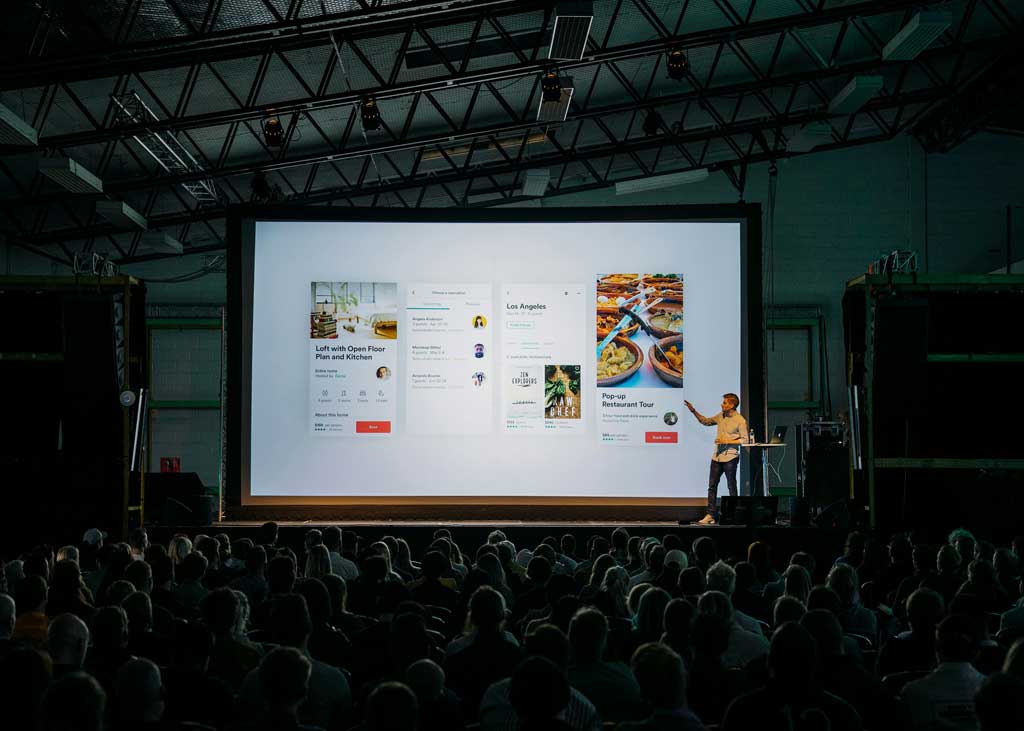
Planning an event can feel like putting together a large puzzle. Whether you are organizing a corporate conference, wedding, or festival, the many details can quickly become overwhelming. Managing tasks like coordinating vendors and handling guest lists requires a reliable system. Thankfully, technology has made these processes easier, enabling planners to realize their visions more efficiently.
With the right tools, event planning can go from chaotic to organized and from stressful to smooth. From registration software to security systems, different tools enhance the experience for both planners and attendees. Let's look at how you can use these innovations to improve your next event.
The days of manually handling registrations with endless spreadsheets are over. Modern registration systems change how attendees sign up for events. These platforms have easy-to-use interfaces, allowing guests to register in minutes. For certain events like weddings, planners sometimes also use QR Codes for weddings QRNow to simplify guest check-ins or share schedules and details in a more accessible way.
The best part of these systems is the data they provide. Planners can analyze registration trends, manage attendee lists, and increase ticket sales with tiered pricing. Knowing who is attending helps with planning tasks like seating arrangements and catering needs. A solid registration system is key to a successful event.
Event management software brings everything together by coordinating various elements in one place. This technology does more than just handle registration. It serves as a central hub for all planning activities. Typical features include scheduling, budget tracking, and vendor management, all designed to keep everything organized.
Imagine coordinating with vendors, tracking expenses, and managing schedules from one dashboard. Real-time updates let planners make quick changes, ensuring that no detail is missed. Whether managing a complex agenda or overseeing multiple vendors, having a comprehensive management tool significantly simplifies the planning process.
In today's world, keeping events safe is very important. A walk through metal detector helps create a secure environment for everyone. These detectors are easy to use and fit well into the entrance process, so they don't slow down guest entry. They help screen attendees quickly and efficiently, allowing for smooth entry.
Walk-through metal detectors do more than just improve safety; they also give attendees peace of mind. When guests know that security measures are in place, they feel more at ease. A safe environment allows everyone to enjoy events like concerts, sports games, or corporate meetings. Using this technology helps planners focus on safety while improving the overall feel of the event.
Today, social media is a key part of communication. Good event planning uses social media to share real-time updates and engage with attendees. Event-specific hashtags create excitement before, during, and after the event and encourage guests to share their experiences online.
The engagement continues after the event. Post-event social media posts help strengthen connections and keep discussions alive, providing a space for feedback and building community among attendees. By using social media in event planning, you can expand your audience and create a lively online presence that enhances the event experience.
More people are attending virtual events, showing that distance need not limit participation. Hybrid events combine in-person and virtual experiences, allowing a wider audience to join. This flexibility means that those who can't be there in person can still access content, connect with speakers, and take part in discussions.
Virtual platforms often include live streaming, chat features, and interactive tools to encourage attendee participation. These inclusive solutions are now essential in event planning. They help reach new audiences and provide a better experience, ensuring that everyone feels valued, whether they attend in person or online. To enhance the quality and flexibility of these experiences, remote live production enables seamless streaming management and real-time content delivery across multiple platforms.
Data analytics tools are changing how planners assess their events. After an event, planners can analyze attendee feedback, ticket sales, and engagement metrics to learn what worked and what didn't. This information helps improve future events.
For example, if some sessions had high engagement while others didn't, planners can adjust their programming for upcoming events. Using data for continuous improvement enhances the event quality and helps attendees feel heard and appreciated.
To succeed in event planning, it is important to use technology to improve efficiency, promote safety, and create memorable experiences for attendees. By using these tools, planners can focus more on creating meaningful moments instead of worrying about logistics. Remember, the right tools can enhance not just the event, but the whole experience leading up to it.


Discover our other works at the following sites:
Danetsoft is a global web agency headquartered in Indonesia, specializing in web development, managed hosting, and web publishing platform.


 [email protected]
 Magelang, Central Java
 © 2026 Danetsoft. Powered by HTMLy