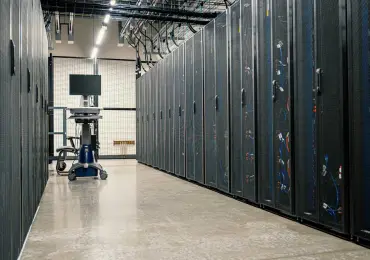
 Photo by Fotis Fotopoulos on Unsplash
Software development keeps changing, but the pressure on businesses keeps changing even faster. In 2026, teams are expected to build products that are useful, secure, fast to update, easy to scale, and simple enough for people to actually use. That is a lot to ask from one software stack, and it is exactly why the most valuable development services are becoming easier to spot.
We are no longer living in a time when “just build an app” is enough. Companies want software that fits the way they work, supports growth without constant rebuilds, and helps them stay competitive in markets where users have very little patience. A slow app, a clumsy workflow, or a broken integration can now cost more than many businesses expect.
What stands out in 2026 is that the strongest services are not flashy add-ons. They are the ones that help businesses operate better every day. Some improve efficiency, some add intelligence, some make scaling possible, and some keep older systems from falling apart. Together, they form the backbone of modern software strategy.
Below are the five software development services that matter most in 2026, and why companies keep investing in them.
Custom software development continues to lead because businesses want tools built around their actual processes, not around someone else’s assumptions. Off-the-shelf products still have a place, but they rarely solve every problem cleanly. Most companies end up bending their workflows to fit the software, and that usually creates frustration, wasted time, and extra work.
Custom development changes that by putting the business first. Instead of adjusting operations to match a generic platform, companies can build software that reflects how they already work, or how they want to work in the future.
The biggest reason is control. With custom software, businesses can decide what gets built, how features behave, how systems connect, and how the product grows over time. That kind of control is valuable when teams are trying to improve speed or reduce dependency on multiple disconnected tools.
Custom software is often used for:
A company with complex operations often gets more value from a purpose-built platform than from a stack of separate subscriptions. When systems are designed around real needs, teams spend less time improvising and more time getting work done.
We see especially strong demand in healthcare, retail, logistics, manufacturing, education, and finance. These industries tend to have detailed processes, compliance requirements, and large volumes of data. Generic software often covers only part of the need, which forces teams into manual workarounds.
A retail business may need a custom inventory system tied to warehouse movement, sales trends, and promotions. A healthcare provider may need secure software for patient records, scheduling, and billing. In both cases, custom development helps reduce friction and keep the workflow clear.
In 2026, businesses are more focused on long-term fit than on quick fixes. They want software that can adapt as the business changes, without forcing a full replacement every time the company grows. That makes custom development one of the most practical investments available.
AI and machine learning are no longer side conversations. They are becoming part of everyday software products, internal operations, and customer experiences. In 2026, businesses are not asking whether AI matters, they are asking how to use it well.
This service has grown because companies want software that can make better decisions, automate repetitive tasks, and respond more intelligently to users and data. AI is valuable when it solves a real problem, not when it is added just for attention.
AI and machine learning development can cover a wide range of capabilities, such as:
These tools help software do more than store information or display content. They help it interpret patterns, reduce manual effort, and surface useful insights.
A support platform can use AI to prioritize tickets and route them to the right team. A financial application can detect suspicious activity before it becomes a larger issue. A marketplace can personalize product suggestions. A manufacturer can predict equipment failure before downtime becomes expensive.
None of these examples are just nice-to-have extras. They affect efficiency, cost, and customer experience in direct ways.
Not every AI project succeeds, and that is because useful AI depends on more than a good model. It needs high-quality data, careful integration, testing in real conditions, and ongoing monitoring. If the data is messy or the output is not reliable, the result can cause more problems than it solves.
That is why AI development in 2026 is less about hype and more about discipline. The best teams focus on outcomes, not buzzwords. They understand where AI can help, where it should not be used, and how to keep it safe and useful over time.
Cloud application development remains one of the most important services because businesses need software that is flexible, accessible, and ready to scale without constant infrastructure headaches. In 2026, cloud-first thinking is no longer limited to large enterprises. Smaller companies are adopting it too, because it simply makes operations easier to manage.
Businesses want systems that can handle changing demand, support remote teams, and stay available without heavy on-site maintenance. Cloud-based applications make that possible. They allow teams to update products more quickly, collaborate across locations, and expand capacity when traffic increases.
Cloud application development often includes:
One of the biggest advantages of cloud development is reduced dependence on local infrastructure. That means fewer hardware concerns, simpler updates, and easier disaster recovery planning. It also means teams can focus more on product improvement and less on maintenance behind the scenes.
For businesses with distributed teams, cloud apps are especially useful because they keep everyone connected to the same data and tools. That helps reduce delays and makes collaboration much smoother.
We see cloud application development used heavily in SaaS products, analytics tools, customer-facing portals, internal business platforms, and marketplaces. Any software that needs frequent updates, stable uptime, and room to grow benefits from cloud-native design.
In 2026, the cloud is not just a hosting choice, it is part of how software is built to last.
Mobile app development stays near the top because mobile is still where people spend a huge amount of time. For many businesses, the mobile app is not just a companion to the website, it is the main way people interact with the brand.
That makes mobile development a high-value service, especially in industries where speed, convenience, and direct access matter.
Users expect apps to be fast, easy, and reliable. If an app feels clunky or slow, people usually do not give it much second chances. That means mobile development is about more than code, it is about creating a smooth experience that keeps users coming back.
Mobile app development usually covers:
Users now expect more personalization, better privacy controls, quicker load times, and features that work well even when connectivity is weak. They also want experiences that feel simple without being limited. That balance is not easy to achieve, which is why strong mobile development teams are still in high demand.
A well-made app can strengthen loyalty, improve communication, and open new revenue streams. A retail app can drive repeat purchases. A banking app can improve account access and alerts. A healthcare app can make scheduling and updates much easier. A service app can remove steps from booking and support.
In other words, mobile apps help businesses stay close to users at the exact moments when convenience matters most.
Software maintenance and modernization may not sound as exciting as AI or mobile apps, but in 2026 it is one of the most valuable services on the list. Many organizations already have important software running in the background, and a lot of it is older than the teams using it. That software may still work, but it often slows down growth, increases risk, and makes every change harder than it should be.
A company does not stop needing software after launch day. Systems need updates, security patches, performance improvements, and code cleanup. Technology changes quickly, and software that is ignored for too long can become expensive or dangerous to keep alive.
Maintenance and modernization services often include:
Legacy systems often survive on workarounds. They may be dependable enough to keep the lights on, but they also create hidden costs. Small changes become slow. New features become risky. Teams need more time to understand the code before they can safely touch it.
Modernization helps solve those problems. It gives teams a cleaner base to work from, and it makes future development easier. That can save time, lower support costs, and reduce the chance of serious failures.
Modernizing software is not just a technical upgrade, it is a business decision. It can make hiring easier because newer systems are simpler for engineers to work with. It can improve security, reduce downtime, and help older systems integrate with newer products.
Maintenance also protects customer trust. Users may never notice when maintenance is done well, but they definitely notice when a product feels broken, slow, or outdated. In 2026, businesses cannot afford to treat stability as an afterthought.
These five services stand out because they solve the problems businesses care about most in 2026, control, intelligence, scale, usability, and stability.
Each one plays a different role, but they all support the same goal, software that works in real life, not just in planning documents or product demos.
The top software development services in 2026 are not simply popular because they are trending. They matter because businesses need them to stay competitive, efficient, and resilient. The market rewards teams that can move quickly, handle complexity, and keep products useful over time.
That is why these five services stand out:
Together, they reflect how software is changing, and what businesses now expect from the teams that build it. In 2026, the most valuable software work is not just about shipping code, it is about helping companies grow, adapt, and keep moving with confidence.


Discover our other works at the following sites:
Danetsoft is a global web agency headquartered in Indonesia, specializing in web development, managed hosting, and web publishing platform.


 [email protected]
 Magelang, Central Java
 © 2026 Danetsoft. Powered by HTMLy