Every influencer program starts with a sourcing decision, and that decision sets the ceiling on everything that follows. Partner with the wrong creators - inflated followers, mismatched audiences, fading engagement - and no amount of clever campaign management will save the results. The brands that win spend their effort upstream: finding the right creators from a deep pool, then verifying that their audiences are real and relevant before a single dollar is committed.
That is where database depth and vetting tools matter most. GRIN offers a capable workflow and its Gia AI assistant for discovery, but it does not publish a creator database size - and in a market where competitors index 200M to 450M+ profiles, that opacity is a fair question for any team that treats discovery as the foundation of its program. For brands that want maximum reach and rigorous audience verification, the ten platforms below lead on sourcing and vetting. Influencer Hero tops the list, but each tool offers a distinct approach to finding and verifying creators.
GRIN's discovery is functional, but brands that treat sourcing as their competitive edge run into a few limitations worth weighing:
The platforms below approach discovery and vetting from different angles - massive databases, gold-standard fraud detection, AI visual search, real-time analytics overlays - so the best fit depends on whether your priority is raw reach, authenticity rigor, or sourcing speed.
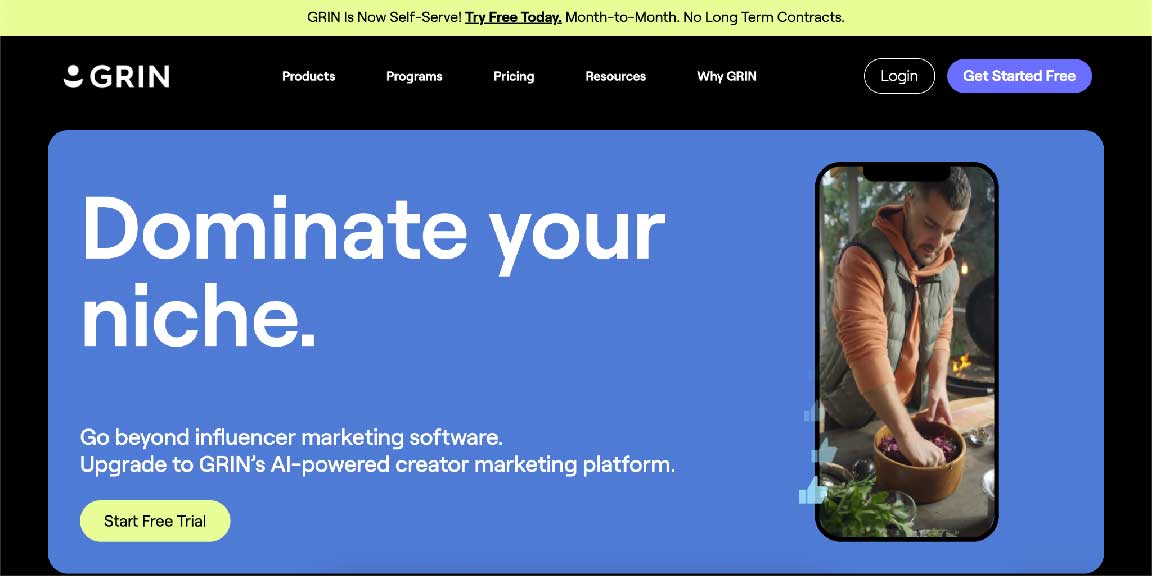
GRIN is a leading platform for large-scale eCommerce influencer programs, consolidating the full lifecycle - discovery, outreach, contracts, gifting, content, and analytics - in a single dashboard. Its Gia AI assistant supports discovery and management, native eCommerce integrations span Shopify, WooCommerce, BigCommerce, Magento, and Salesforce Commerce, and creator portals give influencers private dashboards. The platform manages campaigns across 100,000+ creators and is trusted by 1,500+ brands, with a 4.5/5.0 rating on G2.
For brands already running mature programs, GRIN's unified workflow and real-time ROI dashboards are genuine strengths, and Gia adds a helpful intelligence layer to surfacing and evaluating creators.
The discovery-specific concern is transparency and depth: GRIN does not publish its creator database size, and its vetting tools are part of a broad suite rather than a sourcing-first design. Combined with a $25,000/year minimum and a 12-month contract, that leads sourcing-focused brands to evaluate platforms built around discovery and audience verification. The alternatives below lead on exactly that.
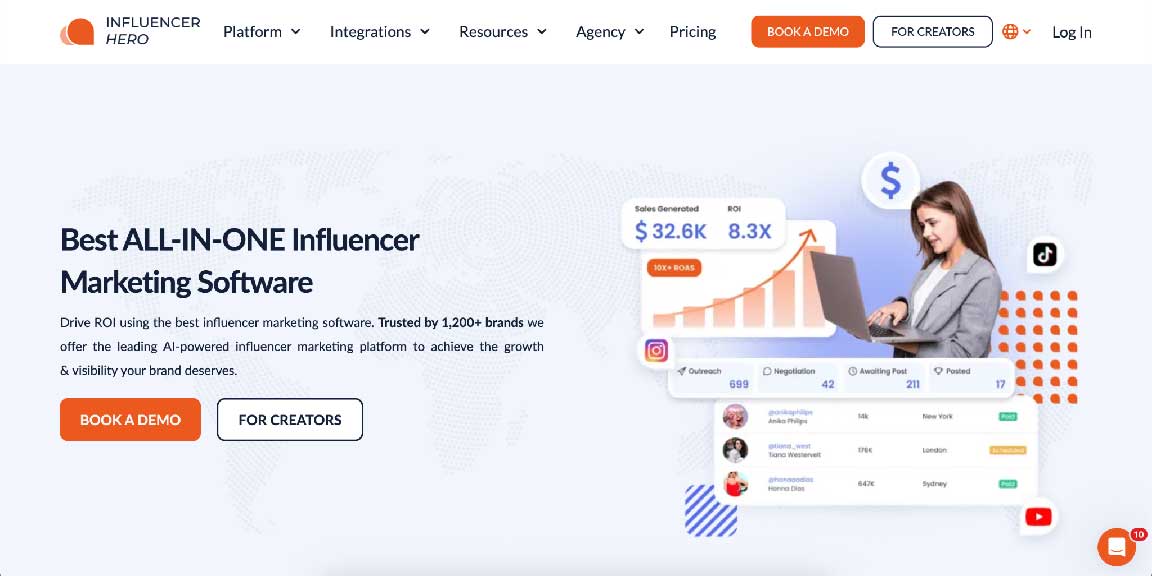
Influencer Hero combines the deepest database on this list with vetting built directly into the sourcing flow. Its 450M+ creator database spans eight platforms (Instagram, TikTok, YouTube, Facebook, Pinterest, Snapchat, X, and Twitch), and discovery runs on 20+ granular filters covering location, demographics, engagement, brand affinity, past partnerships, and audience credibility. AI Smart Search lets you describe what you want in plain language, and Lookalike Discovery turns a single strong creator into a roster of similar profiles.
Vetting is not an afterthought. Fraud detection and audience-authenticity analysis are integrated into discovery, so questionable accounts are flagged before you reach out. The free Chrome Extension extends this to real-time evaluation: browsing an Instagram, TikTok, or YouTube profile, you see analytics, fake-follower detection, and audience demographics on the spot, then import the creator to your CRM with one click and generate AI-personalized outreach from their last three posts. It turns ad-hoc profile browsing into structured, verified sourcing.
Best for: Brands that want the deepest creator database, granular filtering, and audience verification built directly into discovery - plus real-time vetting while browsing.
Pricing:
Standout features:
The primary discovery search is strongest on Instagram, TikTok, and YouTube, with lighter indexing across the other platforms, so programs centered on Snapchat or Pinterest as primary channels should confirm coverage. Teams new to workflow-driven tools will also spend some initial time learning the full filter set.
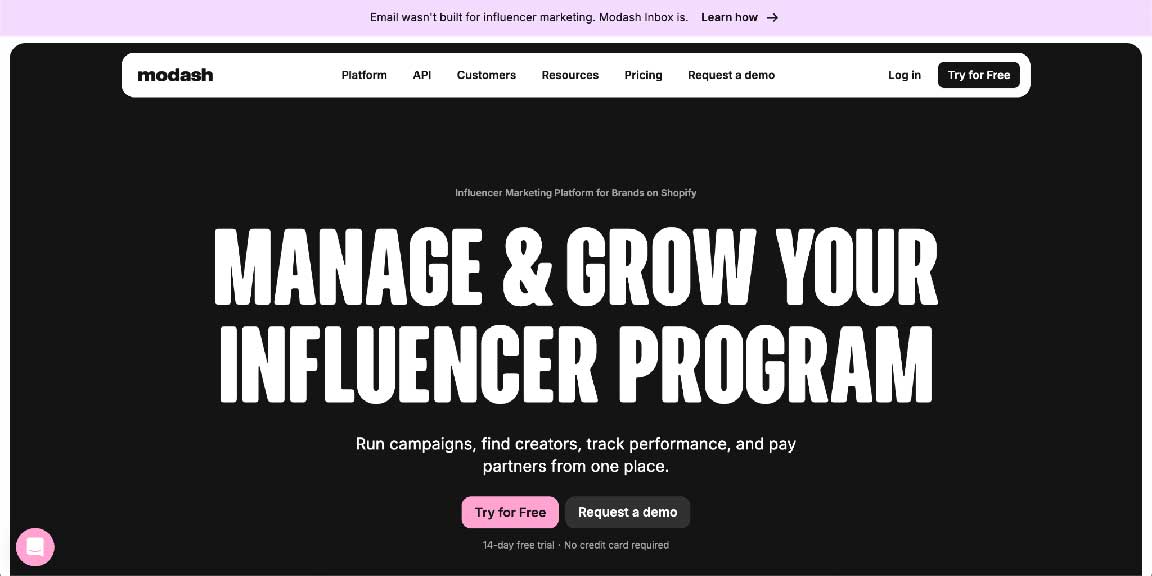
Modash is a discovery powerhouse, with a 350M+ public, non-opt-in database that is the second-largest on this list. Its AI search lets you find creators by describing a visual "vibe" or uploading a reference image - a fast, intuitive way to source by aesthetic. Fake-follower detection handles the vetting side, flagging inflated accounts before you invest.
The "Find Your Fans" tool scans your customer base to surface existing advocates, and Shopify-native workflows connect discovery to affiliate tracking. Built-in outreach with Gmail and Outlook sync keeps the whole sourcing-to-contact flow in one place.
Best for: Shopify brands that want deep, fast discovery and visual search at mid-market pricing.
Pricing:
Standout features:
Deep integration is Shopify-only, and non-Enterprise plans require annual billing. Modash's vetting is solid but narrower than dedicated analytics tools, and it lacks a real-time browser overlay for evaluating creators on the spot - so teams that want in-the-moment vetting may pair it with a tool like Influencer Hero's Chrome Extension.
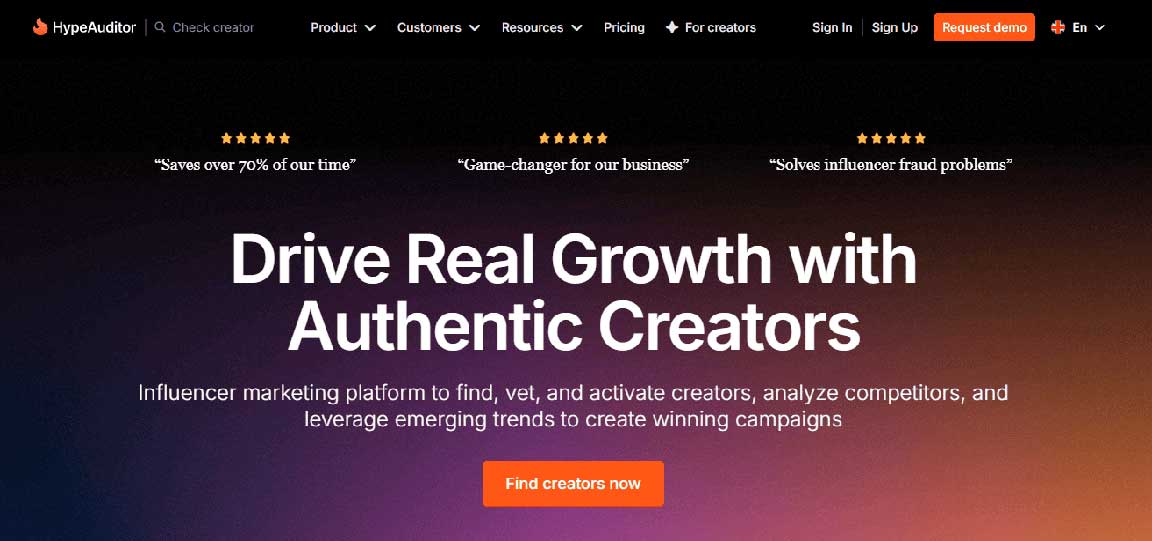
HypeAuditor is the vetting specialist on this list and widely regarded as the gold standard for fake-follower detection and influencer auditing. If audience authenticity is your top priority, its fraud detection and audience-quality analysis are as rigorous as any tool here, across a 200M+ creator database.
AI discovery with lookalike search reads captions and analyzes images, social listening and competitor monitoring add context, and competitor-overlap detection shows shared audiences. Creator application pages and public report sharing round out a thorough vetting toolkit.
Best for: Teams that prioritize rigorous fraud detection and audience-authenticity analysis above all else.
Pricing:
Standout features:
HypeAuditor is an analytics and vetting tool rather than a campaign-execution platform - it does not handle gifting automation, large-scale outreach, or CRM, so a full program needs an execution platform alongside it. The learning curve can also be steep for teams new to influencer analytics, and pricing sits above several all-in-one options.
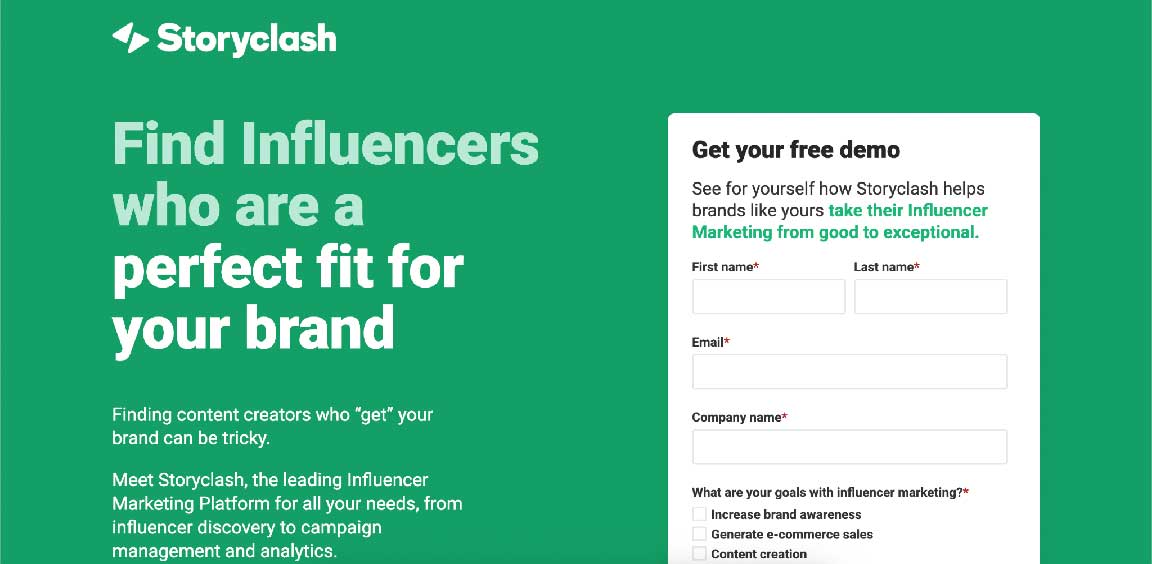
Storyclash adds a content-performance lens to discovery, with AI-driven sourcing (keyword, image recognition, AI prompts, and lookalike) across a 183M creator database. Its differentiator is historical content data, including expired Stories, which lets you vet a creator on a real track record rather than a snapshot - useful for confirming consistency before you commit.
Competitive benchmarking reveals which creators competitors partner with and how that content performs, and a Shopify integration ties sourcing decisions to ROAS, CAC, and AOV. It is a strong fit for teams that vet on demonstrated performance.
Best for: Content-led teams that want to vet creators on historical performance and competitive context.
Pricing:
Standout features:
Storyclash focuses on content performance rather than deep audience-fraud analysis, so it is less of a pure authenticity-vetting tool than HypeAuditor. With no built-in contract generation or licensing, downstream workflows are handled separately, making it best paired with an execution platform.
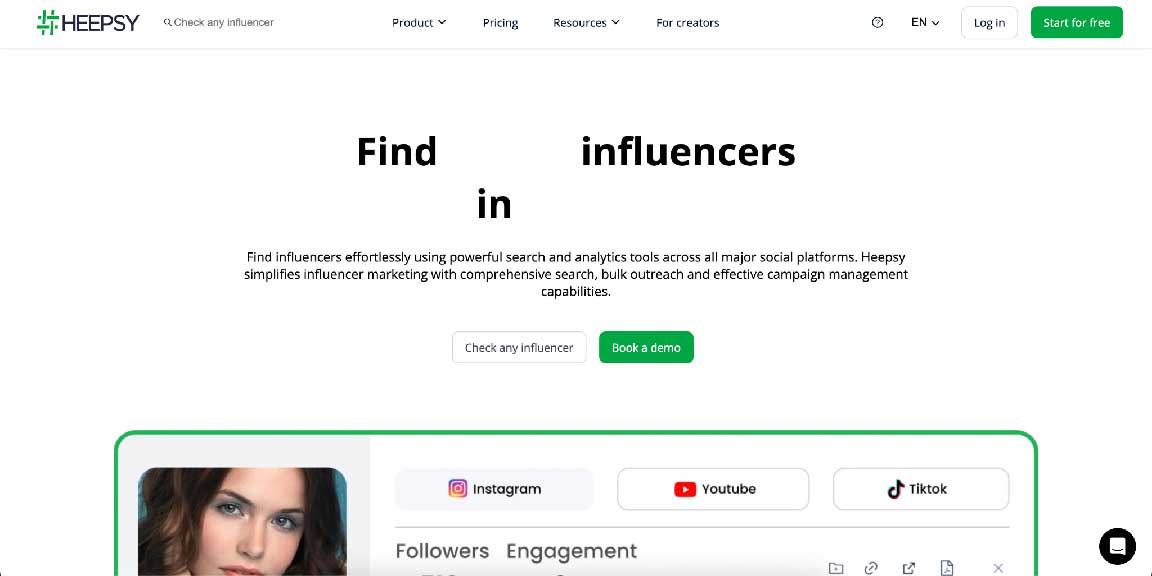
Heepsy makes discovery and vetting accessible to smaller brands. A 50M+ database with strong US and Europe coverage is paired with authenticity filters - fake-follower detection and quality scores - so teams can source and vet without enterprise complexity. A free plan lets you explore the database before paying anything.
The Kanban-style CRM organizes vetted creators through pipeline stages, and bulk email outreach (up to 3,000 emails per month) connects sourcing to contact. For a team building its first structured discovery process, Heepsy is an approachable starting point.
Best for: Small to mid-sized brands that want affordable discovery with built-in authenticity filters.
Pricing:
Standout features:
The 50M database is the smallest of the dedicated discovery tools here, limiting depth in newer niches and emerging markets, and the best features sit on the $369/month Advanced plan. For brands that need maximum sourcing reach and deeper vetting, a larger-database platform like Influencer Hero or Modash will go further.
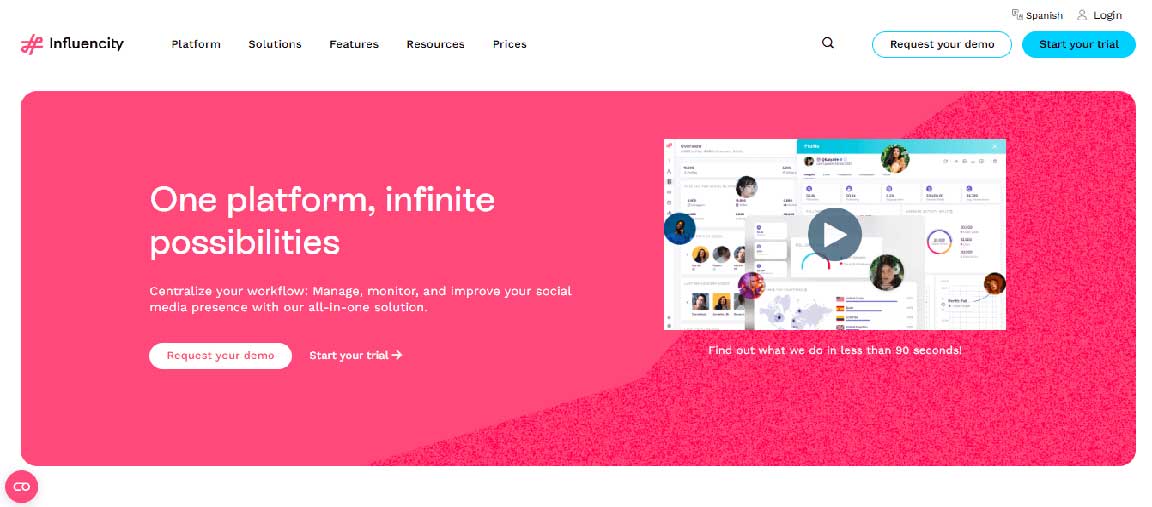
Influencity pairs a large database with AI-powered search and lookalike functionality, positioned as an affordable all-in-one for mid-market teams. Its lookalike discovery is particularly useful for scaling a vetted roster: find creators similar to your proven performers, then evaluate them in the same workflow.
A visual Kanban CRM organizes prospects through stages, direct Shopify integration connects sourcing to sales attribution, and flexible post tracking adapts to different program structures - all at roughly $3,800/year.
Best for: Mid-market teams that want affordable AI search and lookalike discovery with visual pipeline management.
Pricing:
Standout features:
Native eCommerce integrations beyond Shopify are limited, and add-on pricing can accumulate. Influencity's audience-vetting depth is lighter than dedicated fraud-detection tools like HypeAuditor, so teams for whom authenticity verification is mission-critical may want a stronger vetting layer.
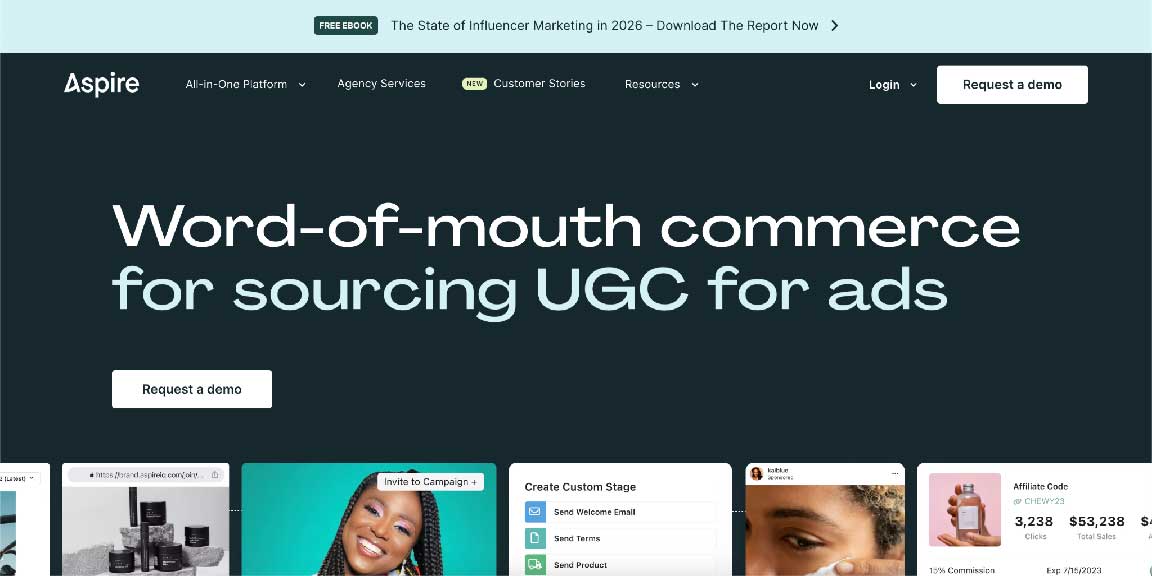
Aspire approaches discovery from the inbound side: rather than searching a database, you receive applications from over a million creators who actively want to work with brands. For vetting, this is an advantage - applicants arrive with intent, and first-party data integrations with Meta, TikTok, and Pinterest give reliable audience metrics for evaluating them.
The end-to-end workflow covers contracts, approvals, and tracking, and dedicated strategic support helps teams build a vetting process. It reframes sourcing from cold search to structured selection.
Best for: Recognized brands that prefer evaluating inbound applicants over searching a cold database.
Pricing:
Standout features:
The inbound model favors brands with existing recognition - newer companies will not attract enough applicants and still need outbound search across a large database, where platforms like Influencer Hero and Modash excel. Custom pricing also limits transparency until a sales call.
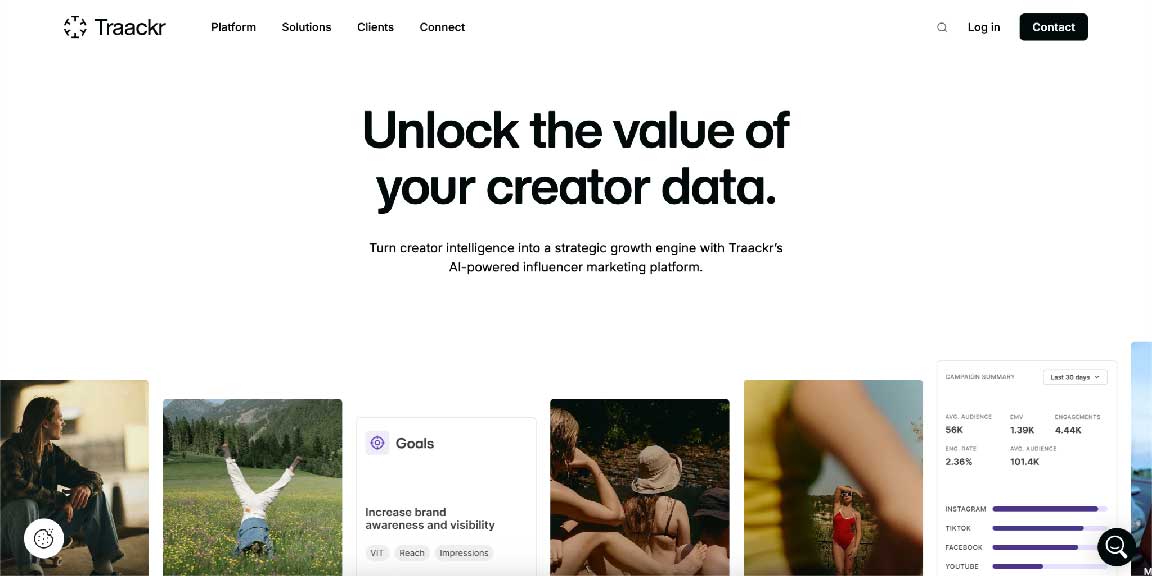
Traackr brings data-driven rigor to discovery, with AI-powered search filters, dynamic outreach templates, and a 6M+ influencer database oriented toward quality over raw volume. Its Brand Vitality Score and performance benchmarking help vet creators on demonstrated brand impact, and an influencer CRM with shared notes and custom tags supports collaborative evaluation.
Cross-market analytics and competitive insights add context for sourcing decisions, making Traackr a fit for teams that vet creators against strategic, data-backed criteria rather than follower counts alone.
Best for: Data-driven teams that vet creators on brand impact and performance benchmarks.
Pricing:
Standout features:
Traackr's 6M+ database is far smaller than the largest discovery tools, and source documentation notes thinner coverage of micro and niche influencers in emerging markets plus some demographic data accuracy issues. At \~$32,500/year, it is also enterprise-priced, so brands prioritizing raw sourcing depth may look to larger-database platforms.
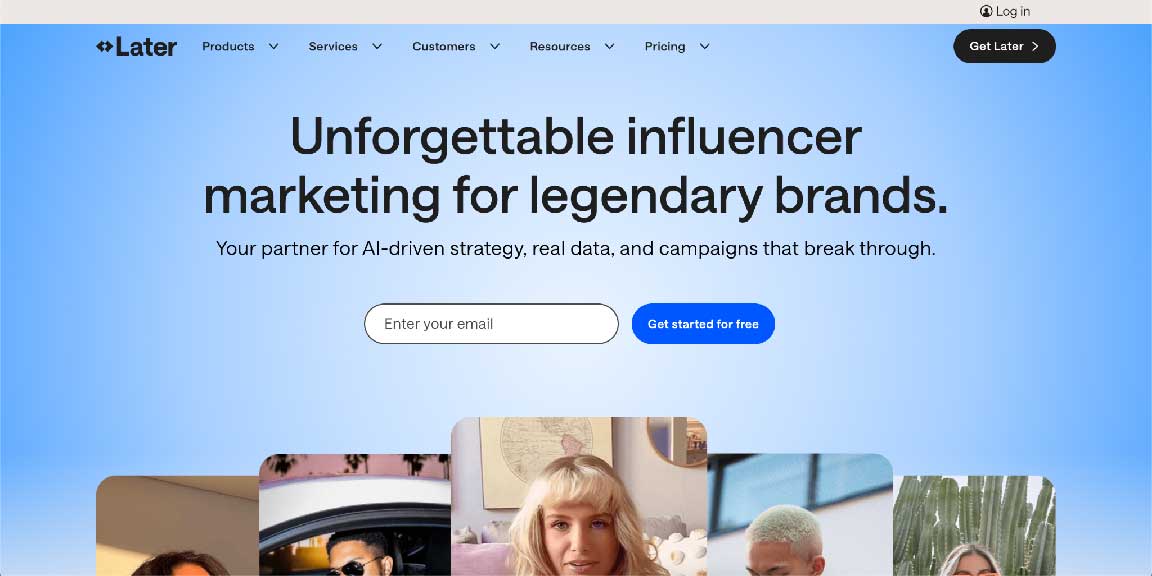
Later approaches discovery through a modern visual interface and 15M contactable creators with verified emails - which reduces a common vetting headache by confirming you can actually reach the creators you find. Custom application pages bring in inbound candidates, and AI-driven brand-safety tools screen creator content as part of evaluation.
The visual discovery engine suits brands that source by aesthetic, and self-serve plans let teams start small. Its strength is connecting discovery to a broader social content workflow.
Best for: Brands that want visual discovery with verified-contact creators inside a social content workflow.
Pricing:
Standout features:
Later's 15M database is much smaller than the leading discovery tools, limiting sourcing depth, and its full influencer feature set lives in plans starting around $28,500/year. Audience-fraud vetting is lighter than dedicated tools, so authenticity-critical programs may want a stronger verification layer.
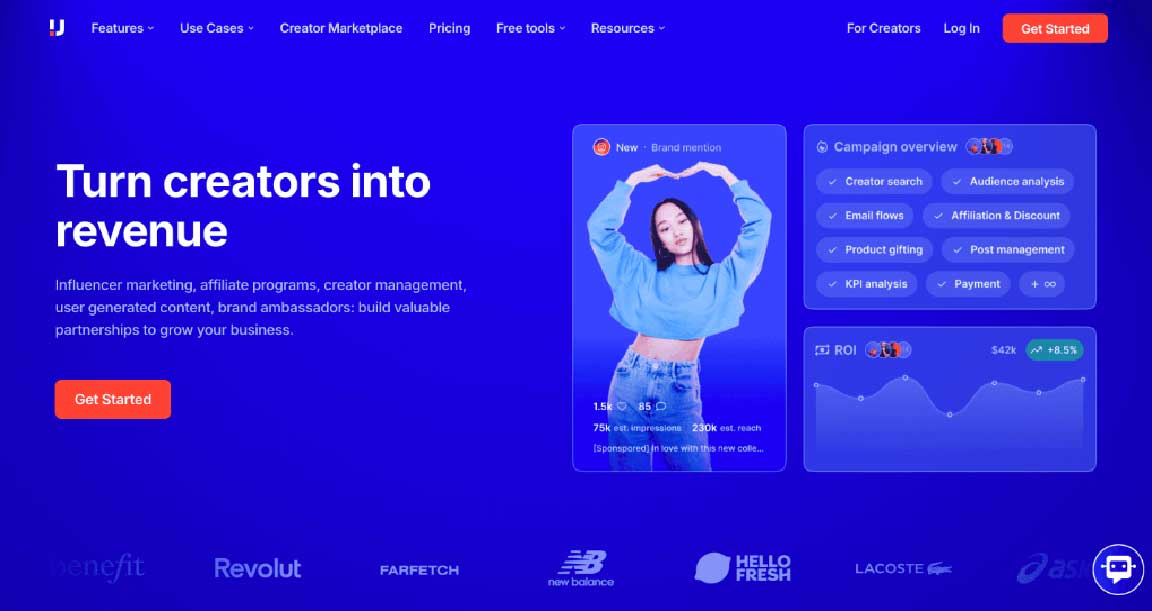
Upfluence rounds out the list with discovery anchored by its customer-affiliate identification, which finds creators among your existing customers based on social reach and purchase history - a vetting angle that starts from people who already buy from you. Its Jace AI assistant supports search, and a 12M+ database covers the major platforms.
Social listening surfaces creators already mentioning your brand, and IRM (Influencer Relationship Management) with importing keeps discovered creators organized. For brands that want to source from their own customer base, the approach is distinctive.
Best for: Brands that want to discover creators from their existing customers and brand mentions.
Pricing:
Standout features:
Upfluence's 12M database is among the smaller pools here, and its discovery is reported to require heavy manual filtering to find aligned creators. Combined with an annual contract starting around $2,000/month and a steep learning curve, brands focused purely on sourcing depth often prefer larger-database platforms.
Discovery and vetting are where influencer programs are won or lost. The strongest campaign management cannot rescue a roster built on inflated followers or mismatched audiences, so the platform you source and verify with deserves more scrutiny than any downstream feature.
For brands that want maximum reach plus verification built into the sourcing flow, Influencer Hero pairs the largest database here with integrated fraud detection and a real-time Chrome Extension. Modash offers deep, fast discovery with visual search, HypeAuditor is the gold standard when authenticity is paramount, and Storyclash vets on historical performance. Heepsy and Influencity make discovery affordable, Aspire reframes it as inbound selection, Traackr adds data-driven benchmarking, Later brings verified-contact visual discovery, and Upfluence sources from your own customers. GRIN remains capable, but its undisclosed database size is a fair thing to weigh for a sourcing-led program.
Match the platform to your sourcing priority - raw database depth, authenticity rigor, performance-based vetting, or speed of real-time evaluation - and the rest of the program is built on a foundation you can trust.
It depends on your niche and markets. Broad or international programs benefit from the largest databases - Influencer Hero (450M+) and Modash (350M+) - while a focused US or Europe program can work with smaller pools like Heepsy's 50M+. The key is transparency: several platforms publish their numbers, whereas GRIN does not disclose its database size, which makes sourcing depth harder to evaluate.
Most offer some form of authenticity analysis. HypeAuditor is the gold standard for fraud detection, and Influencer Hero builds audience-authenticity analysis directly into discovery and adds real-time fake-follower detection through its Chrome Extension. Modash and Heepsy include fake-follower detection as well. The depth of analysis varies, so authenticity-critical programs should prioritize tools where vetting is a core strength.
A browser extension lets you evaluate a creator the moment you find them - while viewing their profile - rather than exporting data into a separate dashboard. Influencer Hero's free Chrome Extension shows analytics, fake-follower detection, and audience demographics on Instagram, TikTok, and YouTube profiles, with one-click CRM import, which significantly speeds up day-to-day sourcing.
They complement each other. AI search (natural language or visual) is faster for exploratory sourcing - describing a vibe or uploading a reference image - while granular filters give precision on location, engagement, and demographics. Influencer Hero offers both AI Smart Search and 20+ filters, Modash and Storyclash lead on visual AI search, and Influencity and Traackr add lookalike functionality.
Yes, and it is an effective vetting shortcut since these creators already know your brand. Upfluence's customer-affiliate identification and Modash's "Find Your Fans" both scan your customer base to surface advocates with social reach. These customer-sourced creators often convert better than cold prospects because the brand affinity is already established.
If your discovery platform includes built-in fraud detection and audience-quality analysis - as Influencer Hero, Modash, and Heepsy do - you may not need a separate tool. If authenticity verification is mission-critical, a dedicated analytics platform like HypeAuditor adds depth. The goal is to confirm an audience is real and relevant before committing budget, however you get there.


Discover our other works at the following sites:
Danetsoft is a global web agency headquartered in Indonesia, specializing in web development, managed hosting, and web publishing platform.


 [email protected]
 Magelang, Central Java
 © 2026 Danetsoft. Powered by HTMLy