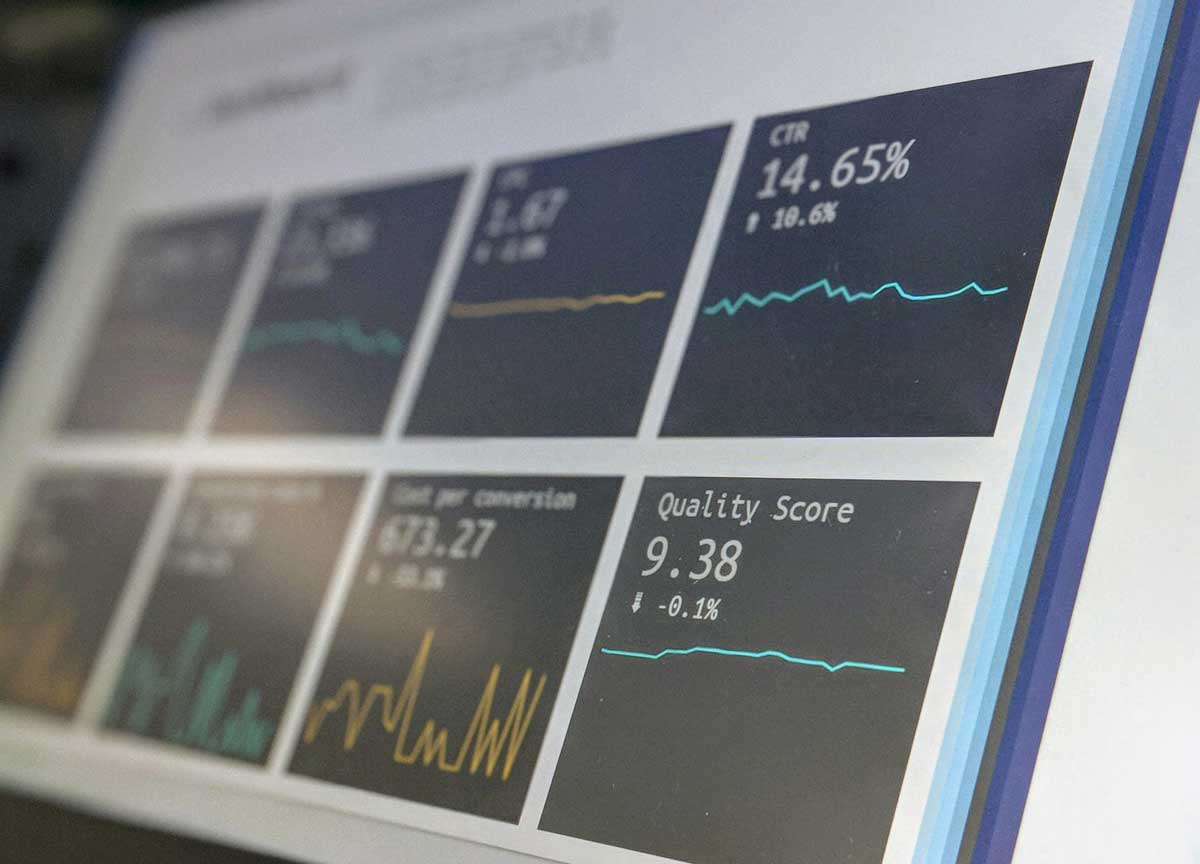
 Photo by Stephen Dawson on Unsplash
Link building can help people discover useful work, but the way a link is obtained matters as much as the link itself. A safe link building platform should make it easier to find relevant publishing opportunities without encouraging shortcuts that can damage a site’s reputation or search visibility. That means judging the process, not just counting links delivered.
For a small marketing team, the challenge is often operational. Researching sites, contacting editors, reviewing content, and tracking placements can take time away from other work. A platform can organize parts of that process, but it cannot remove the need to check quality and make sound editorial decisions.
There is no platform setting that makes every backlink safe. Search engines assess links in context, and a link that looks natural on one page may be manipulative or irrelevant on another. A responsible process focuses on earning placements that help readers, rather than manufacturing signals at scale.
Before using a service, look for a clear explanation of how opportunities are sourced and what the customer can review. Be cautious if a provider promises guaranteed rankings, a fixed number of high-authority links regardless of topic, or placements on sites that exist mainly to sell links. Those promises do not tell you whether the resulting pages will be useful or appropriate.
A platform such as iCopify’s backlink service can be considered as one way to find link opportunities. As with any option, assess the available information about publishers, content, placement terms, and review steps before committing. The service should support your judgment, not replace it.
Domain-level scores can help organize research, but they are third-party estimates rather than direct measures of editorial quality or search performance. A high score does not guarantee that a site has a real audience, covers your subject, or publishes carefully reviewed material.
Review a prospective publisher’s recent articles. Do they have a consistent subject area? Are the pieces written for readers, or do they appear to be collections of unrelated promotional posts? Check whether the site has identifiable editorial standards and whether links fit naturally into the surrounding content. A relevant page on a smaller specialist publication may be more useful than a nominally powerful but unrelated placement.
Also consider the exact page where a link will appear. A link from a useful, indexed article can make sense for readers who want to learn more. A link placed in a thin page with little context may bring neither meaningful referral traffic nor a credible endorsement. Ask what happens if the article is edited, moved, or removed, and make sure the terms are understandable.
Safe link building requires review at several points. Define which topics and types of publishers are acceptable before outreach begins. Review the proposed page and its audience, then check the draft for accuracy, relevance, and natural link placement. A brand mention should make sense to someone reading the article even if search engines did not exist.
Use content that genuinely answers the publisher’s readers’ questions. Avoid forcing an exact-match phrase into awkward copy or asking for a link where it adds no value. If a placement is paid or otherwise compensated, handle disclosure according to applicable rules and the publisher’s policies. Search-engine guidance and local advertising requirements may differ, so do not assume that a platform’s standard process covers every obligation.
Keep a record of the destination URL, referring page, publication date, anchor text, cost, and any disclosure or follow-up terms. Periodically check that important placements still exist and that the linked page remains relevant. This creates a useful audit trail and makes it easier to spot patterns in the quality of the work.
A backlink is rarely a standalone task. It may require research, expert input, written content, images, or a landing page that gives visitors a reason to stay. Set a budget for these parts before comparing packages. A low placement price may not represent good value if it depends on thin content or leads to a page that does not serve the intended audience.
Content budgets vary by format and scope. For example, the 60 second explainer video starting budget discussed by Osdire is about $150–$500 for a basic 30–60-second video, while custom 2D animation can require a different budget. Osdire operates as a freelance marketplace across categories including video, design, writing, and marketing, with flat pricing and payments held securely during an order until the buyer approves the delivered work. A video will not suit every link campaign, but the comparison illustrates why content format and deliverables should be specified before approving a quote.
Teams that need broader help with SEO may also compare in-house work, individual contractors, and managed services. For example, done-for-you SEO support can cover link building alongside digital PR, AI SEO, local SEO, and content writing. Look for clearly stated prices and reporting that identifies each live result, so you can evaluate what was actually completed rather than relying on a vague activity summary.
Start with a small campaign built around a clear goal: relevant referral visits, coverage of a particular topic, or support for a specific resource. Agree on quality criteria and review every proposed placement. After publication, check the page, confirm that the link works, and assess whether the audience and context match your expectations.
Do not treat a short-term ranking change as proof that a particular link caused the result. Search performance depends on many factors, and results can fluctuate. Compare the campaign’s cost and editorial quality with other ways of reaching the same audience, including original research, useful tools, partnerships, or direct outreach.
A platform is most valuable when it makes a careful process easier to manage. If it provides transparency, relevant choices, clear terms, and room for human review, it can reduce administrative work without turning link building into a numbers game. The decision to publish should still come down to whether the placement is credible and useful to the people who will read it.


Discover our other works at the following sites:
Danetsoft is a global web agency headquartered in Indonesia, specializing in web development, managed hosting, and web publishing platform.


 [email protected]
 Magelang, Central Java
© 2026 Danetsoft. Powered by HTMLy