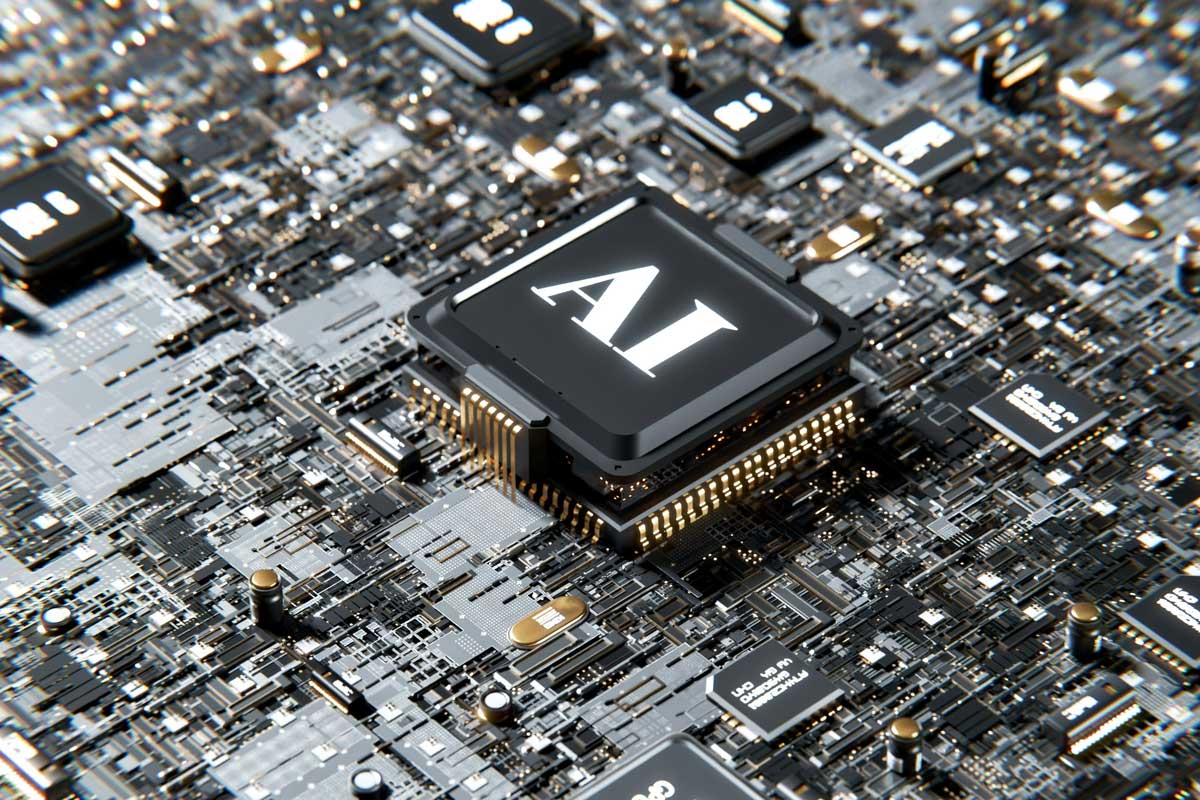
 Photo by Igor Omilaev on Unsplash
Quantum computing has spent years in the realm of headlines, research papers, and futuristic promises. For a long time, it felt like something that belonged to physics labs and distant predictions, not to the apps, devices, and digital services we use every day. But that gap is narrowing. The technology is still young, but it is moving fast enough that we should start thinking about what it means for ordinary life, not just for scientists and engineers.
What makes this topic interesting is that quantum computing will probably not show up as a gadget we hold in our hands. We are unlikely to wake up one morning and find a “quantum phone” in our pockets. Instead, the change may happen behind the scenes. It could affect the systems that protect our data, the software that routes our deliveries, the research that helps create new medicines, and the materials that make our batteries last longer.
That is where the real story begins. Quantum computing may not replace the tech we already use, but it could reshape the machinery underneath it.
To understand why people are so excited, we need to start with the basics.
Most of the computers we use today, laptops, tablets, servers, smartwatches, and smartphones, run on classical computing. These machines use bits, which can be either 0 or 1. Every photo we save, every text message we send, and every video we stream is eventually broken into these tiny binary units.
Quantum computers use qubits instead. A qubit behaves differently from a normal bit because it can exist in a combination of 0 and 1 at the same time, until it is measured. That strange behavior comes from quantum physics, and it opens the door to a new way of processing information.
Another useful idea is entanglement, where qubits become linked in ways that classical bits cannot. When qubits work together, quantum computers can explore certain kinds of problems in a much more efficient way than traditional machines.
This does not mean quantum computers are better at everything. In fact, for most everyday tasks, classical computers are still the right tool. They are cheaper, more stable, and far easier to use. Quantum computers are expected to shine in very specific areas, especially problems involving massive complexity, such as chemistry, optimization, and cryptography.
The excitement around quantum computing comes from the possibility of solving problems that currently take enormous amounts of time and energy. Some problems are so complex that even powerful supercomputers struggle with them. Quantum systems may approach those problems differently, not just faster, but smarter.
That is why researchers are paying close attention to fields like:
If quantum computers can solve even a few of these problems well, the effects could spread through almost every part of digital life.
Most of us will not sit down and use a quantum computer directly. But we may still feel its influence in the tools and services we already rely on.
One of the biggest concerns, and opportunities, lies in cybersecurity.
A lot of online security today depends on math problems that are hard for classical computers to solve. This includes the encryption used in banking, email, messaging apps, and business networks. The good news is that these systems are strong enough for current technology. The more complicated part is that a powerful quantum computer could one day break some of the methods we use now.
That sounds scary, and it is one reason governments and companies are already preparing for a world beyond current encryption standards. The shift will not happen overnight, but it will happen.
At the same time, quantum computing can also help us create new forms of encryption, including post-quantum methods designed to resist future attacks. So the same technology that raises security concerns may also help solve them.
For us, this could mean:
In other words, quantum computing may force a broad security upgrade across the digital world.
One of the most practical benefits may come from designing better materials.
Anyone who has dealt with a phone battery that runs out too quickly knows how important this is. The same goes for laptops, wireless earbuds, electric cars, smartwatches, and home devices. Battery chemistry is incredibly difficult to model because it depends on the behavior of atoms and molecules, which interact in complex ways.
Quantum computers may be able to simulate these interactions more accurately than classical computers. Since quantum systems follow the same physical rules as molecules, they may be especially useful in this area.
If that happens, we could see improvements such as:
This kind of progress would not just affect one product category. It could improve a whole ecosystem of consumer tech.
Healthcare is another area where quantum computing may make a real difference.
Creating new medicines is slow and expensive because researchers need to understand how molecules interact inside the body. That process depends on careful modeling, testing, and repeated trial work. Quantum computers may help by simulating molecular behavior more accurately, which could speed up the discovery of promising treatments.
That matters for everyday life because it could eventually lead to:
We should be realistic, though. Quantum computing will not replace clinical trials or medical regulation. Those steps are still essential. But it could make the research stage more efficient, which is a big deal when time and cost are major barriers in healthcare.
A lot of the digital services we use daily depend on behind-the-scenes logistics. When a package arrives quickly, when a delivery app reroutes a driver, or when an airline schedules flights efficiently, a lot of optimization is taking place.
Quantum computers may be especially useful for problems that involve many possible combinations and decisions. That makes them interesting for:
If these systems improve, everyday tech may start feeling more responsive and reliable. Packages could arrive faster, traffic apps could make better suggestions, and stores might avoid shortages more often.
We may never notice the quantum part directly, but we may notice the better results.
Artificial intelligence is already woven into daily life, from recommendation systems to spam filters to voice assistants and photo search. Quantum computing may eventually help improve some AI tasks, especially those that involve huge datasets or complicated pattern recognition.
This is still early, and we should not expect quantum AI to take over our phones tomorrow. But over time, quantum methods may contribute to:
That could show up as better search tools, smarter suggestions, and more reliable digital services.
It is easy to hear all of this and imagine a future that arrives next year. The truth is more careful. Quantum computing is promising, but it is still early.
Quantum computers are very hard to build and even harder to keep stable. Qubits are extremely sensitive to heat, vibration, and interference from the environment. Even tiny disturbances can disrupt their calculations.
Because of that, today’s quantum machines are impressive but limited. They are not ready to replace classical computers for everyday workloads. Most of the current systems fall into what is often called the NISQ era, short for Noisy Intermediate-Scale Quantum. That means we have machines that can do some interesting things, but not yet at the scale needed for broad practical use.
Even though the hardware is expensive and rare, more people can now experiment with quantum processors through the cloud. That is a big deal, because it lowers the barrier to entry for researchers, students, and companies.
As more people work with quantum systems, progress can speed up. Better software, better algorithms, and better use cases may emerge. The technology may still be invisible to most of us, but the work being done on it can still shape the products and services we use later.
For most people, the impact will be indirect at first. That does not make it less important.
The biggest changes will probably happen inside the services we already use. Quantum computing may improve:
That means the benefits may come in the form of faster services, stronger protection, and lower costs rather than flashy new devices.
As quantum computing becomes more powerful, companies will need to update encryption systems. This transition will likely be slow and mostly invisible, but it will be one of the most important tech shifts we experience.
Over time, we may see new security standards built into operating systems, payment tools, messaging apps, and business software. The process will not happen all at once, but it will matter a lot for the safety of our digital lives.
The biggest long-term effect may be the speed of discovery. If quantum computing helps researchers solve difficult problems faster, then progress in many areas could pick up too.
That could mean:
The influence may reach far beyond the quantum machines themselves.
The promise is real, but so are the challenges.
Quantum hardware is technically demanding and costly. Many systems need extreme cooling and highly controlled environments, which makes them complex to scale.
Because qubits are fragile, quantum computers need strong error correction. But error correction itself takes extra qubits, which creates more complexity. This is one of the biggest hurdles in the entire field.
Some tasks will always be better suited to classical computers. That means the key challenge is finding the right problems, the ones where quantum systems offer a meaningful advantage.
This is why progress may seem slower than the headlines suggest. The field is advancing, but much of that progress is specialized rather than dramatic.
Quantum computing matters because modern life depends on solving hard problems. The better we are at solving those problems, the better our technology becomes.
The change will likely happen in layers. First in research labs, then in cloud platforms, then in security systems, medical tools, logistics software, and materials design. Eventually, the technology may become so embedded that we stop talking about it as a special category at all.
That is often how important technologies evolve. They begin as a novelty, then become infrastructure.
Quantum computing is not about replacing the devices in our hands. It is about improving the systems behind them.
We may see stronger security, better batteries, faster drug discovery, smarter logistics, and more capable AI tools. We are still early, and many promises remain uncertain, but the direction is clear. Quantum computing is moving from a scientific curiosity to a practical force.
The most interesting part may be that we do not notice the moment it arrives. We may just find that our apps feel smoother, our data is better protected, and our devices work a little more efficiently. If that happens, the quantum revolution will not look dramatic from the outside, but it will still change a great deal about daily life.


Discover our other works at the following sites:
Danetsoft is a global web agency headquartered in Indonesia, specializing in web development, managed hosting, and web publishing platform.


 [email protected]
 Magelang, Central Java
 © 2026 Danetsoft. Powered by HTMLy