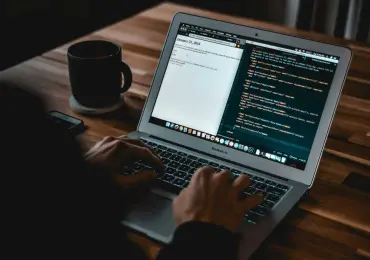
 Photo by Annie Spratt on Unsplash
Online learning is no longer a side option. It has become a normal part of how we study, improve, and stay current in a fast-moving world. What once seemed like a backup plan for people who could not attend classes in person has grown into a major way we learn new skills, prepare for jobs, and explore personal interests.
We can now open a laptop, tap a phone, or log in on a tablet and reach lessons on almost any topic. We can study business, languages, design, coding, history, health, photography, and much more, often from teachers and institutions we would never have access to otherwise. That shift has changed more than just where we learn. It has changed our expectations about learning itself.
At the simplest level, online learning platforms give us access to educational content over the internet. But that description barely captures how broad they have become. Some are ready-made course libraries open to anyone, while others are built from the ground up through custom elearning development services to fit a single organization's learners, goals, and brand.
Some platforms are built like digital classrooms, where we can follow lessons, do my assignment and receive feedback. Others feel more like course libraries, where we can pick a topic and move through video lessons at our own pace. There are also platforms that focus on live teaching, communities, certifications, hands-on practice, or academic support tools such as tutoring and writing service options that help students improve their research and writing skills.
Most of them offer some mix of the following:
The real value comes from how these pieces work together. A good platform does not just store content, it creates a learning experience that is organized, practical, and easy to keep up with. If you are ready to experience this modern, community-driven approach to mastering new skills firsthand, you can download The Real World app and start your own practical learning journey today.
Traditional education usually expects us to follow a schedule that someone else sets. We have to be in a certain place at a certain time, and we often have to move at the pace of a group. Online learning changed that.
Now we can study before work, during a lunch break, after the kids go to bed, or on a quiet weekend morning. That flexibility matters a lot for people balancing jobs, family responsibilities, travel, or health issues. It also helps people who simply learn better when they can work at their own rhythm.
For a long time, access to quality education depended heavily on where we lived. If we were far from major cities, universities, or training centers, our options could be limited. Online platforms opened that up.
We can now learn from top instructors, recognized schools, and experienced professionals without moving to a new city or rearranging our entire lives. As a core pillar of modern education, these digital tools have made learning feel less tied to geography and more open to anyone with a device and a connection.
Education can be expensive. Tuition, commuting, books, housing, and other costs add up quickly. Online learning does not erase those issues completely, but it often lowers the price enough to make learning more realistic for many people.
Some courses are free. Others cost a fraction of a traditional program. Even when a platform charges a fee, it may still be far more affordable than a classroom-based alternative. That makes it easier for us to try new subjects, reskill, or build on what we already know without taking on major financial pressure.
The online learning world is huge, and not all platforms are built for the same purpose.
These are the platforms that offer courses to a wide audience, often with content created by universities or well-known institutions. They are a strong choice for people who want structure and credibility without enrolling in a full degree program.
They often cover academic topics such as science, literature, economics, or mathematics, along with professional subjects like data analysis or project management.
These platforms focus on practical abilities we can use in work or freelance projects. They usually teach things like web development, digital marketing, illustration, accounting, communication, or software tools.
Many learners use these platforms to switch careers, earn promotions, or strengthen a resume. They are often built around short, focused lessons that help us make progress quickly.
Many schools and universities use learning management systems to organize classes, homework, grades, announcements, and communication. These tools became especially important during remote learning periods, but many institutions still rely on them because they keep everything in one place.
They help teachers and students stay connected, even when the class is partly or fully online.
Language platforms use a different style from many other online courses. They usually rely on short daily lessons, repetition, listening practice, speaking drills, and game-like progress systems.
This format works well because language learning often depends on consistency. Small daily steps can lead to steady improvement over time.
Businesses also use online learning tools to train employees. These platforms help with onboarding, compliance, leadership development, safety training, and software instruction.
For companies, online learning makes it easier to keep training consistent across teams, locations, and time zones. For employees, it can mean faster learning and clearer expectations.
One of the best things about online learning is that we are not locked into someone else’s speed. We can pause a lesson, rewind a tricky section, or skip ahead when the material is already familiar.
That freedom makes learning feel less stressful. It also helps us avoid the common problem of falling behind because we missed one important detail early on.
Many platforms now use recommendations, progress data, and adaptive lesson paths to shape the experience around us. That means the content we see may depend on what we have already completed, where we struggled, and what goals we are trying to reach.
Instead of forcing us through a rigid path, some platforms adjust to our needs. That can make the learning feel more relevant and less wasted.
In a traditional setting, our options are limited by what a school, teacher, or institution can offer. Online learning removes many of those limits.
We can study practical job skills, academic subjects, creative hobbies, test prep, wellness, technology, and more. That variety is one reason online learning feels so alive. It invites us to keep exploring.
Online learning cuts out commuting, waiting, and other time losses that often come with classroom-based education. But the time savings go beyond that.
We can focus only on what we need. If we already understand part of a topic, we do not have to sit through it again. If we want to drill one skill repeatedly, we can do that too. This makes learning more efficient and often more motivating.
A lot of people use online platforms because they want better job opportunities. That is not surprising. Many courses are built around skills employers actually use, which makes them practical right away.
We can use online learning to prepare for a new role, stay updated in a changing field, or build something on the side. It can support our careers without forcing us to step away from them.
Without a teacher physically present or classmates around us, it becomes easier to delay lessons. We may start strong and then slowly lose momentum.
Online learning often demands more self-discipline than in-person classes. That does not mean it is worse, but it does mean we need habits that keep us moving.
Not every course is worth our time. Some are excellent, with strong teaching, clear examples, and thoughtful structure. Others are rushed, confusing, or outdated.
Because the online learning market is so large, we have to be careful. A polished site does not always mean a solid course.
Having endless options sounds helpful, but it can become a problem. We may spend too much time comparing platforms, reading course descriptions, or wondering which topic to start with.
Instead of learning, we get stuck deciding. Clear goals help, but many learners still feel overwhelmed by the sheer number of possibilities.
A live classroom has energy that is hard to recreate online. Side conversations, spontaneous questions, body language, and real-time discussion all shape the experience in ways digital tools sometimes struggle to match.
Some platforms handle this well with live sessions, discussion boards, mentorship, or peer groups. Others feel isolated and flat. That difference can affect how much we enjoy the learning process.
The best platforms make it easy to know where we are and what comes next. Lessons should follow a logical order, with a path that feels natural rather than confusing.
When the structure is messy, we spend energy just figuring out how to use the course instead of actually learning from it.
A course can have great video quality and still be hard to learn from if the teaching is weak. Good instructors explain ideas clearly, use plain language, and give examples that make concepts feel real.
Strong teaching is even more important online because we cannot rely on in-person clarification as easily.
Quizzes, projects, exercises, and discussion spaces help turn passive watching into active learning. That matters because we remember more when we use information, not just hear it.
The strongest platforms give us chances to practice and respond, not just observe.
Many of us learn on phones now. If a platform is awkward on a small screen, it creates friction right away. Buttons should be easy to tap, videos should load smoothly, and text should remain readable.
Mobile access is no longer a bonus, it is part of the basic experience.
When we get stuck, we need a way forward. That could mean a teacher answering questions, a forum filled with other learners, or built-in technical help.
Feedback also helps us improve faster. A platform that gives useful responses usually creates better learning results than one that leaves us alone with the material.
Schools and universities have had to adapt. Many now use blended models that combine online tools with in-person teaching. That gives students more ways to stay involved and makes education easier to fit into different lives.
This shift has pushed schools away from one fixed format and toward more flexible systems.
Employers often care about what people can do now, not just what degree they hold. Online learning platforms support that shift by helping us build practical skills quickly.
That does not make formal education unimportant, but it does mean ability and adaptability matter more than ever.
Earlier generations often treated education as something that ended after school or college. Today, we are more likely to see learning as ongoing.
We learn for promotions, job changes, hobbies, business ideas, and personal growth. Online platforms make that kind of steady learning easier to maintain, because they are always available when we need them.
As technology improves, platforms will probably become better at adapting to individual learners. We may see more tailored recommendations, smarter learning paths, and lessons that respond more closely to our strengths and weaknesses.
That could make learning feel more efficient and less frustrating.
People do not just want content, we also want connection. Future platforms may invest more in live discussion, peer groups, mentorship, and collaborative work.
That would help reduce the isolation some learners feel online.
Simulations, virtual labs, interactive scenarios, and other hands-on tools will likely become more common. These can make learning feel more practical, especially for subjects where real-world decision-making matters.
Instead of only reading or watching, we may spend more time doing.
As more employers become familiar with certificates, badges, and online programs, these forms of learning may carry more recognition. That would make it even easier for us to turn online study into career progress.
Online learning platforms have changed the way we approach education in a major way. They have made learning more flexible, more available, and more connected to everyday life. They have also helped us move past the idea that learning belongs only in classrooms or only at certain ages.
These platforms are not flawless. Some lack quality, some are hard to stick with, and some miss the human side of learning. Still, the larger shift is hard to ignore. Online learning has opened doors for millions of us, and it has made it easier to keep growing long after formal schooling ends.
That change matters because learning is no longer a place we go, it is something we carry with us.


Discover our other works at the following sites:
Danetsoft is a global web agency headquartered in Indonesia, specializing in web development, managed hosting, and web publishing platform.


 [email protected]
 Magelang, Central Java
 © 2026 Danetsoft. Powered by HTMLy