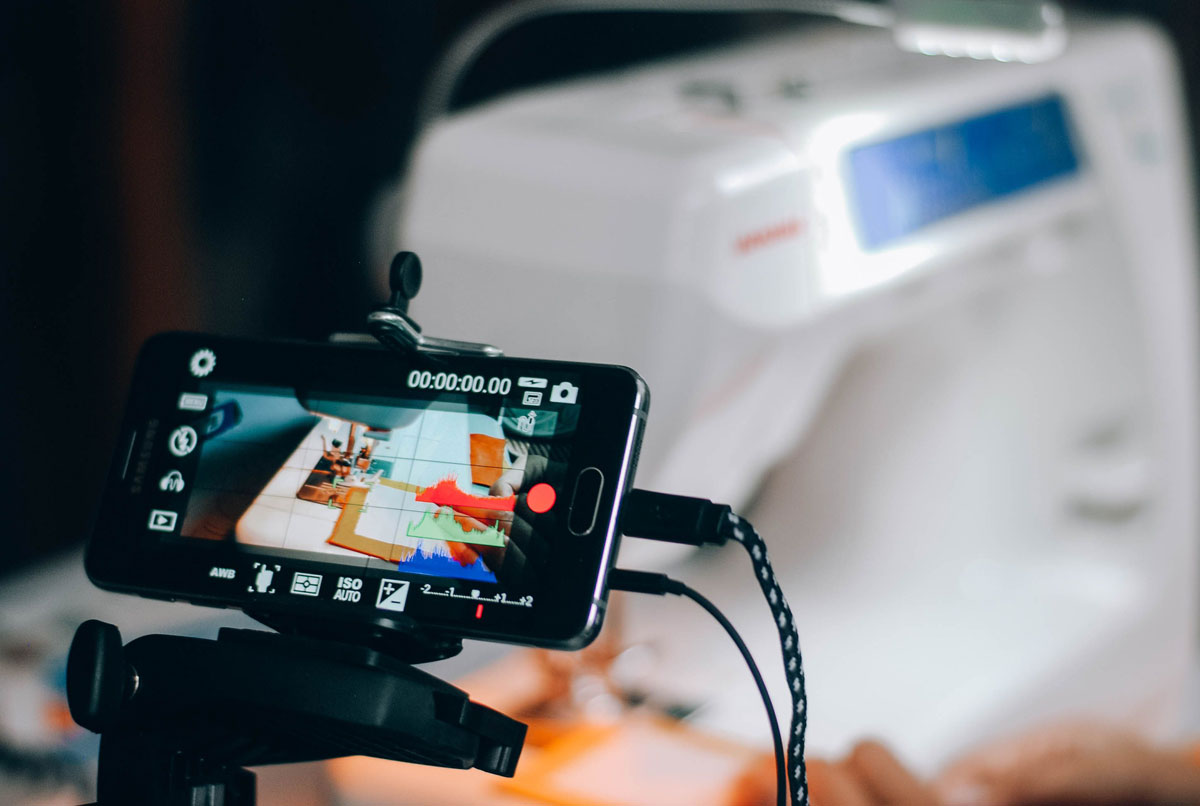
 Photo by rakhmat suwandi on Pexels
Small businesses that started using AI video tools last year face a new problem: the tools keep changing. A model that produced the best results in spring may be overtaken by autumn, prices move, and new features such as longer clips, synchronised audio and reference-based generation appear with each release. For a small team, constantly switching tools is expensive, but ignoring improvements means falling behind competitors who produce better content at lower cost.
The answer is not to chase every launch. It is to set up a simple, repeatable way of deciding when a new model is worth adopting.
Start by listing your real use cases. For most small businesses, the list is short: product clips for social media, short adverts, explainer videos for the website, and perhaps training content for staff. Each use case has different requirements. Product clips need faithful reproduction of the product photo; adverts need strong motion and mood; explainers need clarity and longer duration.
When a new model is announced, ask one question: does it improve any of these specific use cases? If it does not, there is no reason to switch, however impressive the demo.
Save five or ten typical inputs, such as your best product photos and a couple of standard prompts, together with the clips your current tool produced from them. When a new model becomes available, run the same inputs through it and compare side by side. This takes less than an hour and removes guesswork.
Most AI video services charge by the second of output. The relevant comparison is the cost of producing one clip you are happy to publish, including the attempts you discard. A cheaper model that needs more retries can cost more in total, and staff time spent reviewing results is often the largest cost of all.
Many new models are announced weeks or months before they are generally available, often with preview pages that collect release updates while specifications and pricing are still being confirmed. Rather than reacting to social media excitement, note the expected release, plan a test once access opens, and continue with your current tool until then. Bookmarking preview pages such as the Vidu Q4 video model preview on APIMart is a simple way to know when an upcoming model actually becomes usable, rather than merely announced.
If your team uses AI video through an integration, for example automatically generating a clip when a new product is added to your online shop, make sure the integration is not tied to a single provider. Platforms that offer several models through one account let you switch or test new models without rebuilding anything. Even if you only use web apps, keep your prompts, reference images and brand guidelines in your own files rather than inside one tool.
Every time a clip performs well, save the prompt, the reference image and the settings that produced it in a shared document. Over a few months this becomes a small internal playbook that makes results more consistent across team members and makes it far easier to test a new model, because you already know exactly which inputs produced your best work. It also protects the business when the person who knows the tools best goes on holiday or leaves.
A quarterly review is enough for most small businesses. Once every three months, check whether a new model has become available for your use cases, run your benchmark set, and decide whether to switch. Outside that review, stick with what works.
The pace of AI video development is an advantage for small businesses, because quality keeps rising while prices fall, but only if adopting improvements is cheap. A short list of use cases, a benchmark set, a realistic cost comparison and a quarterly review turn a confusing market into a manageable routine.


Discover our other works at the following sites:
Danetsoft is a global web agency headquartered in Indonesia, specializing in web development, managed hosting, and web publishing platform.


 [email protected]
 Magelang, Central Java
 © 2026 Danetsoft. Powered by HTMLy