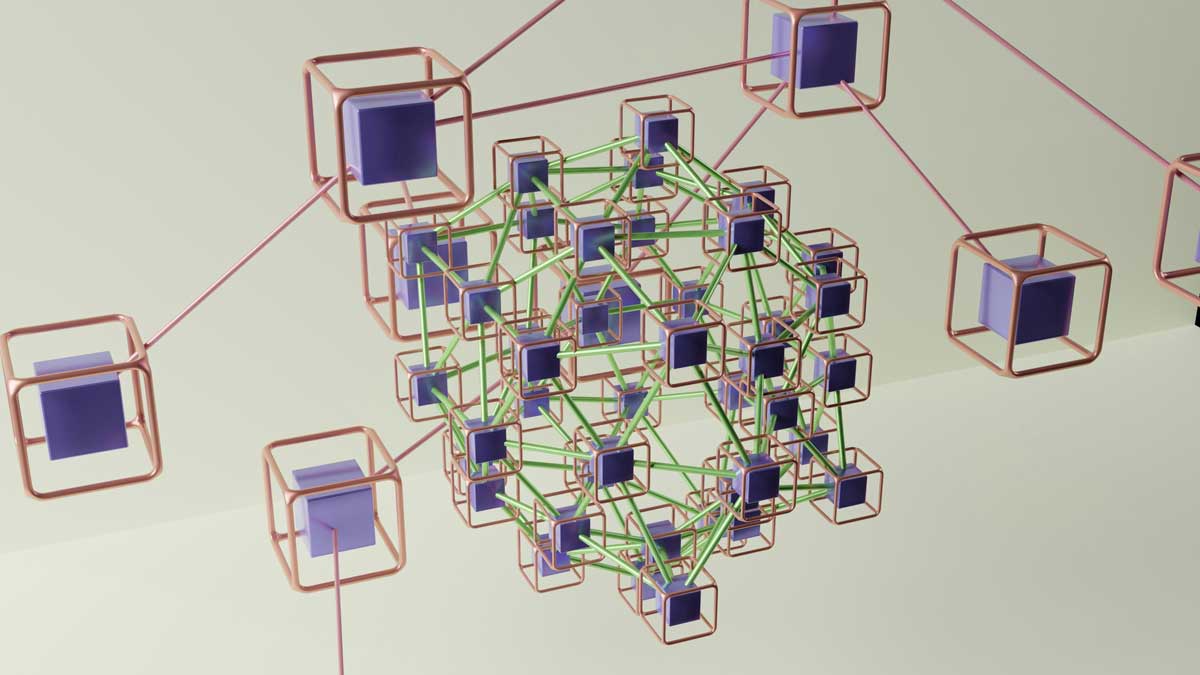
 Photo by GuerrillaBuzz on Unsplash
In recent years, the "creator economy" has become a buzzworthy term, largely associated with influencers, viral content creators, and independent makers striving to turn passion into profit. However, despite its promise, today’s creator economy still hinges on centralized platforms that act as gatekeepers. These platforms decide who gains visibility, control the rulebook, and often take significant cuts of the revenue creators generate.
Fast forward to 2026, and we’re witnessing a fundamental shift powered by Web3 technologies. This new paradigm promises fairer, more direct relationships between creators and their audiences, cutting out the centralized middlemen. But Web3 isn’t simply a tech upgrade, it's a fresh philosophy rooted in decentralization, transparency, and digital ownership that has the potential to revolutionize how creative economies function.
At its core, Web3 refers to the decentralized internet powered by blockchain technology, enabling users to own their data, interact peer-to-peer, and verify digital ownership through cryptographic means. For creators, this means a whole new ballgame:
Non-Fungible Tokens (NFTs) have transformed from niche collectibles or speculative art pieces into powerful tools for authentic digital ownership. Unlike traditional media, where content is copied and shared without clear ownership, NFTs enable creators to tokenize their work in a way that can be uniquely owned, traded, and verified on blockchains.
Consider these modern examples:
By leveraging NFTs, creatives regain control over how their work is distributed and monetized, no longer beholden to platform whims or traditional gatekeepers.
The idea of patronage isn’t new, artists in history often depended on wealthy supporters to fund their creativity. Web3 brings this concept into the digital age with micro-patronage, fans contributing small, frequent cryptocurrency payments to support creators directly.
This model offers something today’s creators sorely lack, a steady, dependable income that isn’t controlled by algorithmic feeds or ad revenue fluctuations. Instead of chasing viral hits or appeasing sponsors, creators can build sustainable careers nourished by loyal communities who truly value their work.
Platforms and smart contracts automate these contributions, making it effortless for fans to become lifelong supporters without high fees or intermediaries.
Web3 isn't just about transactions, it’s about participation. Through Decentralized Autonomous Organizations (DAOs), creators can build truly community-owned ecosystems where fans aren’t just consumers, they’re collaborators and co-owners.
DAOs empower communities to make real decisions: from choosing upcoming projects, funding initiatives, to even sharing in revenues. This shifts the creator-fan dynamic from passive consumption to active engagement, fostering a deeper sense of belonging and shared purpose.
Such empowered communities become a catalyst for creativity, helping ideas flourish in a cycle of mutual support and co-creation.
Creating art, managing audiences, marketing, legal rights, the responsibilities resting on creators' shoulders can be overwhelming. Web3 introduces the possibility to “unbundle” these roles using smart contracts and decentralized applications.
For instance:
This unbundling lets creators focus on what they do best, creating, while decentralized tools handle the logistics efficiently and fairly.
We’re at the outset of a new chapter in the creative world. Tools and platforms are still evolving, but a clear vision is emerging, an ecosystem where creators hold full ownership over their work, fans become partners, and art thrives outside the constraints of centralized control.
This new wave is more than a technological shift, it’s a cultural renaissance powered by transparent, decentralized networks that prioritize fairness and meaningful connection.
Imagine a future where:
Such a future isn’t science fiction, it’s the promise Web3 holds as we step further into 2026.
If you’re a creator wondering how to navigate this fast-changing space, here are some practical steps:
Despite the excitement, Web3 also brings challenges:
Addressing these requires collaboration between technologists, creators, regulators, and communities alike.
As we witness the dawn of this decentralized creative era, it’s clear that Web3 offers much more than flashy tech gimmicks. It holds the potential to realign incentives, dismantle central gatekeepers, and empower creators and communities in profound ways.
The poet, artist, and maker of 2026 won’t just rely on views and likes dictated by opaque algorithms. Instead, they will thrive in ecosystems where ownership is real, fans are partners, and creative freedom flourishes, ushering a vibrant renaissance in digital culture.
If you believe in the power of creativity to change the world, paying attention to Web3 isn’t optional anymore, it’s essential. Because the creator economy of tomorrow isn’t far away, it’s already beginning to take shape right now.


Discover our other works at the following sites:
Danetsoft is a global web agency headquartered in Indonesia, specializing in web development, managed hosting, and web publishing platform.


 [email protected]
 Magelang, Central Java
 © 2026 Danetsoft. Powered by HTMLy