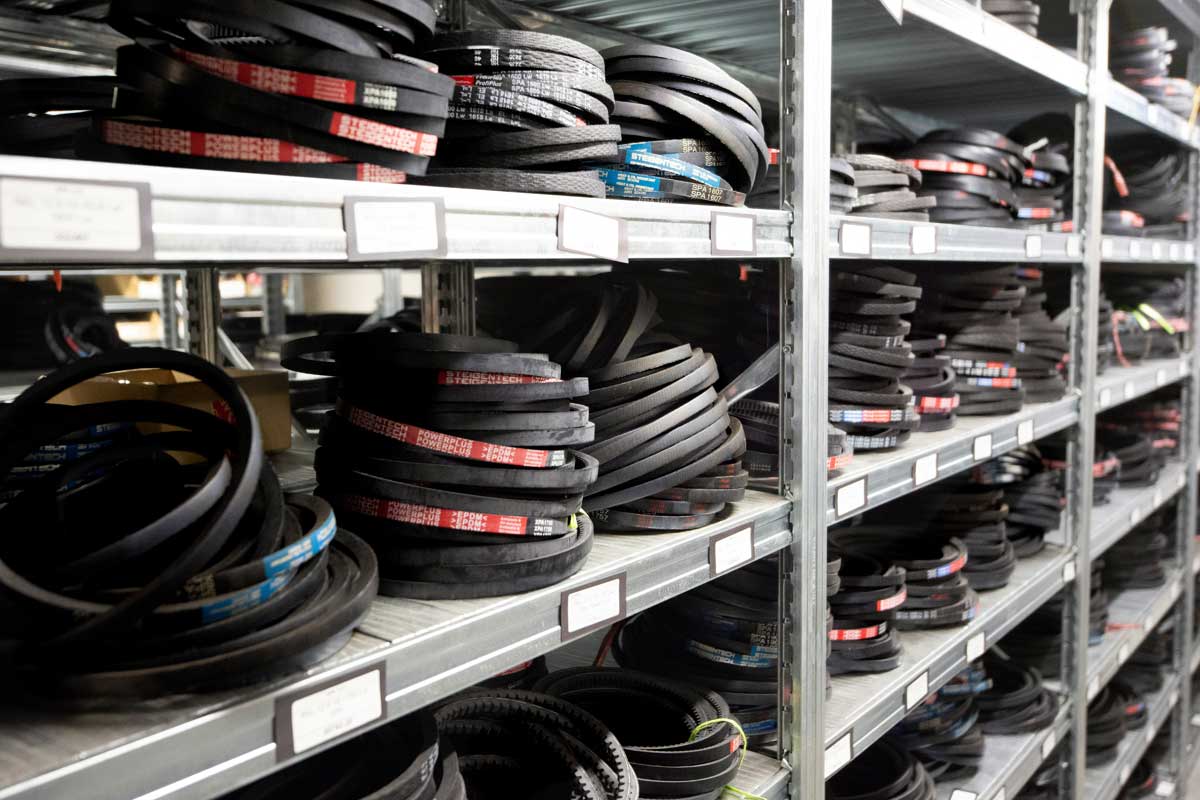
 Photo by AFINIS Group on Unsplash
The heating, ventilation, and air conditioning systems are subject to the usual problems of condensation and moisture damage. Ductwork may become moist, equipment may become moist, and connections may become moist resulting in corrosion, mold, and lower efficiency. Gaskets can be used as one of the most efficient methods of preventing such problems. Gaskets have a close seal between parts preventing entry of moisture and air leaks. Long-term system reliability and energy efficiency require proper installation and maintenance of gaskets.
Gaskets are available with different materials and designs which suit a particular application in HVAC. Others are rubber based, silicone based, or foam based whereas others are designed using special materials such as fabric fiberglass in high-temperature regions. The choice of a gasket should guarantee that the seal is resistant to the environmental factors and can be used without deterioration. The knowledge of the properties of the different types of gasket assists in avoiding condensation at the major points of the system.
The selection of an adequate gasket material is an imperative upon proper moisture control. Elastic materials such as rubber and silicone are flexible and resilient, which enables them to withstand a good seal despite the expansion and contraction of equipment according to changes in temperature. The gaskets made of fabric fiberglass are also suitable where there is increased heat because they are in the area where it is required to last long and yet also have a guaranteed seal. The material also determines the effectiveness of the gasket in repelling moisture and also in resisting corrosion.
Different gasket thicknesses and compression properties may be needed in each application. Larger gaps can be filled with thicker gaskets though the process of installing gaskets might need more force to attain an adequate seal. On the other hand, the finer gaskets are used in smaller connections and in fragile parts. An assessment of the environment and the possible locations of condensation will assist in the selection of the most suitable material and thickness to be used to offer the highest protection.
No matter which gasket material used is the best one; it will not stop the issue of moisture when installed in an incorrect way. Before applying a gasket, it is also important that surfaces are clean, dry and free of debris. Lack of smoothness or dirtiness may leave gaps and cause the moisture to go round the seal. Installing with correct alignment and consistent pressure would be beneficial in keeping the integrity of the gasket intact and to avoid leakage with the course of time.
Besides cleaning, one should not over or under compress the gasket. Excess compression may spoil the material, making it less effective in its capacity to close, whereas inadequate compression may result in the occurrence of small holes where condensation can occur. Close consideration on the method of installation will make sure that the gasket will work as expected and add to the overall moisture control of the HVAC system.
Gaskets do wear off, particularly in busy or hot places. Seals may also wear brittle, crack, and get uneven over time, which means that their ability to keep the moisture out will not be effective anymore. Wear and tear must be noted earlier before they can cause serious harm and this can only be achieved through regular inspection. Inspecting the gaps and the deformations and material decay enable the maintenance personnel to proactively replace the gaskets.
Regular inspections must involve the observation of areas that are likely to exist as a condensation e.g. duct joints, equipment connections. By replacing worn gaskets with materials that are suitable to the application such as fabric fiberglass in the event of high heat, the system can still remain efficient. Periodic examination assists in preserving airtight and avoiding moisture damages.
Some places in an HVAC system are more likely to condense as a result of temperature variations between air and equipment surfaces. These spaces are cold water lines, evaporator coils and insulated ductwork. Applications of gaskets in these strategic points aid in the prevention of moisture penetrating in joints and connections minimizing chances of corrosion and mould development.
Moreover, an efficient sealing can enhance the performance of the system. Gaskets are used to ensure a consistent airflow and temperature control by avoiding air and moisture leakages. This saves energy, lengthens the life of HVAC components as well as keeping building materials out of the water.
The choice of gaskets with high quality helps in moisture protection in the long term. Silicone, rubber, and fabric fiberglass are durable materials, which withstand deterioration by the environment and retain their flexibility regardless of the conditions. Reliable gaskets will ensure that the number of replacements will be minimized and that the risk of downtime due to damage of the system due to condensation will be minimized.
Caution on product specifications and environmental compatibility makes sure that the gaskets would be effective in years to come. Looking at variables like temperature extremes, exposure to chemicals as well as mechanical stress, this assists in determining the best solution that can be applied to any given application. An appropriate gasket is used to ensure a consistent sealing and provide the system with protection against the entry of moisture.
Gaskets are very important in avoiding condensation and damage of moisture in HVAC systems. The choices of the materials to be used, installation, and maintenance checks are crucial in ensuring airtight seals are maintained. Durable options, such as fabric fiberglass in warmer locations, can be used to guarantee quality service and increase the lifespan of the system. It is possible to minimize the loss of energy, corrosion, and even keep the interior healthy by paying close attention to the choice of gaskets and their care, which will allow HVAC specialists to pay attention to these aspects.


Discover our other works at the following sites:
Danetsoft is a global web agency headquartered in Indonesia, specializing in web development, managed hosting, and web publishing platform.


 [email protected]
 Magelang, Central Java
 © 2026 Danetsoft. Powered by HTMLy