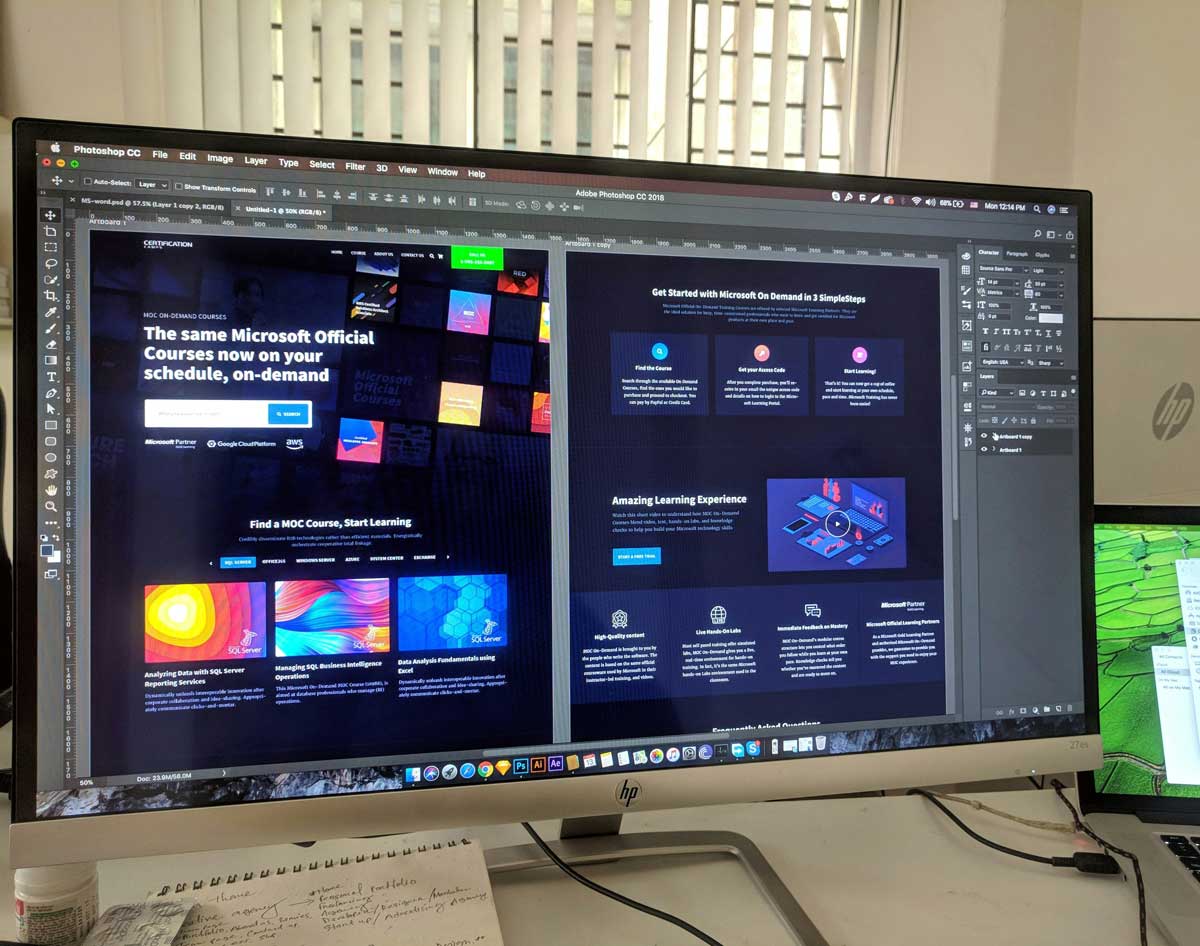
 Photo by Eftakher Alam on Unsplash
In today's digital landscape, high-volume visual content is non-negotiable for engaging audiences and driving conversions. Marketers are constantly pushing out new graphics, banners, and dynamic media across multiple channels to capture attention. However, scaling a visual strategy often introduces a hidden risk. As your media library grows to meet the demands of modern campaigns, your website performance can quickly degrade. Striking the right balance between producing compelling, high-quality visuals and maintaining a fast, technically sound website is absolutely essential for long-term digital success. If your creative output outpaces your website's technical capacity, your digital ecosystem will suffer.
The consequences of a slow website go far beyond minor user frustration. Search engines heavily prioritise fast-loading pages in their rankings through metrics like Core Web Vitals. A beautiful graphic design means nothing if the page takes too long to load and users abandon the session. According to Google's web developer resources, the impact of page speed on bounce rates is severe, with major publishers losing an additional 10% of users for every extra second of load time. Every kilobyte of data counts when attempting to retain a digital audience.
When you scale your visual content without proper technical guardrails, your site architecture can quickly buckle under the weight. This is why forward-thinking companies rely on dedicated support to manage their infrastructure. Utilising comprehensive web maintenance packages ensures your hosting environment, database, and caching systems are consistently updated to handle heavy media libraries without missing a beat. Having experts handle the ongoing technical upkeep allows your marketing team to focus purely on creating great content.
Before addressing complex server configurations and global delivery networks, your first line of defence is optimising the individual files themselves. Automated visual generation allows marketing teams to create hundreds of bespoke assets quickly, but uploading raw, high-resolution files directly to your content management system is a clear recipe for sluggish performance. Marketing departments must bridge the gap between creative design and web development by establishing strict media guidelines.
While running your graphics through a tool to resize images online to properly scale dimensions is an essential first step, these file-level optimisations must become a non-negotiable part of your daily workflow. Scaling down image dimensions before uploading ensures you are not forcing user browsers to download massive source files only to display them as tiny thumbnails on a mobile device.
To keep your media library lightweight and efficient, implement these standard asset preparation rules across your entire team:
Select the right format: Transition away from older formats like standard JPEGs or PNGs and embrace next-generation extensions like WebP or AVIF. These modern formats offer superior visual quality at a mere fraction of the traditional file size.
Enforce maximum pixel dimensions: Set strict guidelines for banner widths and hero images so content creators do not upload unnecessarily large graphics that serve no practical purpose on standard desktop monitors.
Implement lossy and lossless compression: Use automated tools to strip unnecessary data from your images without degrading the visual experience.
Remove invisible metadata: Strip EXIF data from your original photos, as camera details and location information add needless weight to your website payloads.
Even with perfectly scaled images and strict upload guidelines, a massive influx of visual content requires a robust technical foundation. As your site scales and attracts more traffic, your server must process an increasing number of media requests concurrently, which can easily overwhelm basic shared hosting setups. Your creative assets are only as effective as the infrastructure supporting them. Without a reliable backend configuration, even the most beautifully designed graphics will fail to reach their intended audience promptly, resulting in lost engagement and missed revenue opportunities.
A strong infrastructure strategy should always include a Content Delivery Network. A robust delivery network distributes your heavy media files across global servers, delivering them to your users from the closest geographical location to minimise latency. Paired with modern development techniques like lazy loading, where images only load as they physically enter the user's screen viewport, these backend upgrades dramatically reduce the initial strain on your primary server.
Scaling a modern visual content strategy should never come at the cost of your website's overall performance. As marketing teams embrace automation and high-volume graphic design, they must adopt an equally rigorous approach to digital housekeeping. This proactive mindset prevents technical bottlenecks from stifling creative output. By pairing strict file-level optimisation habits with solid backend technical support, you can confidently deliver the rich, engaging visual experiences your audience expects without sacrificing page speed or search engine visibility. Ultimately, a lightning-fast website and a compelling creative strategy work best when they operate in perfect harmony, driving both user satisfaction and measurable business growth over the long term.


Discover our other works at the following sites:
Danetsoft is a global web agency headquartered in Indonesia, specializing in web development, managed hosting, and web publishing platform.


 [email protected]
 Magelang, Central Java
 © 2026 Danetsoft. Powered by HTMLy