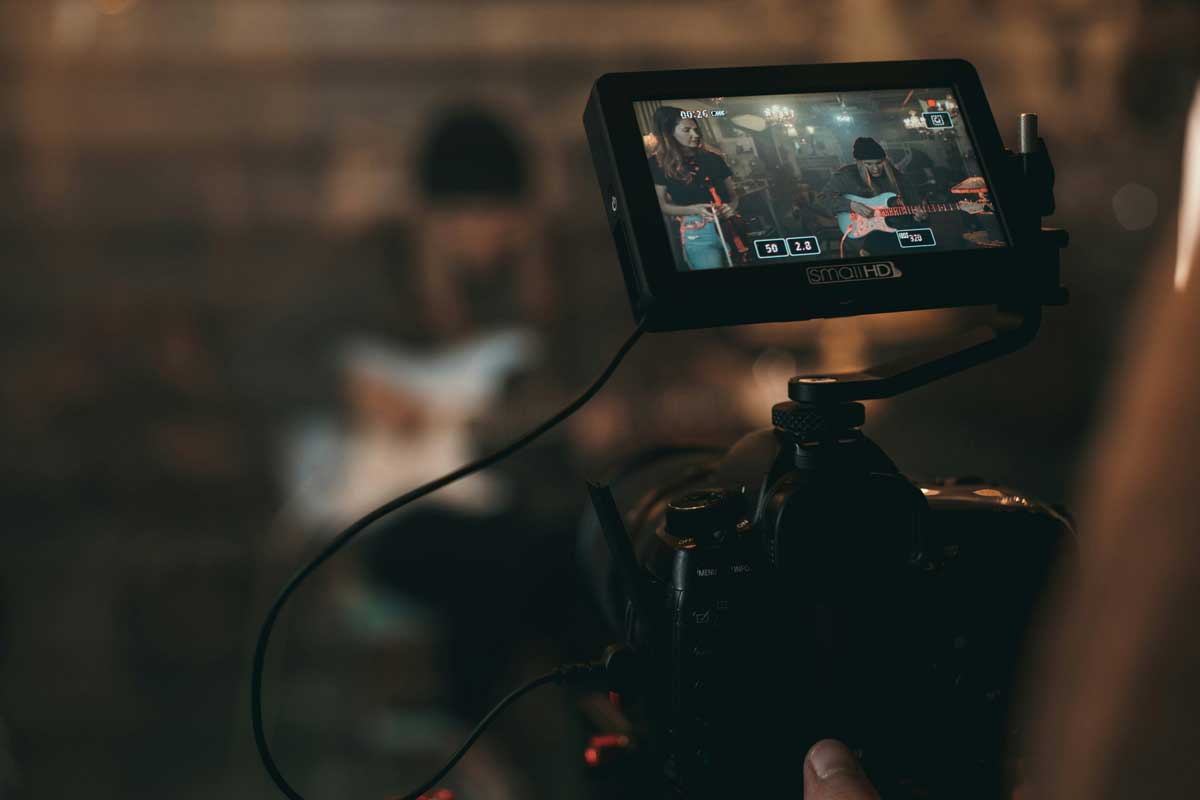
 Photo by Kyle Loftus on Unsplash
Video advertising is everywhere now. We see it in social feeds, on streaming services, inside apps, on websites, and in search results. Some of it gets ignored instantly. Some of it gets skipped the moment the button appears. And some of it works so well that people watch it all the way through, remember the brand, and take action afterward.
The difference usually is not a bigger budget. It is not only high-end production either. The ads that perform best tend to follow a simple pattern, they respect the viewer’s attention, get to the point quickly, and make the message feel useful instead of forced. When we build video ads with that mindset, we create something that can do more than sell, it can build trust, shape perception, and make a brand easier to remember.
When you create a video, it has a few natural advantages that make it hard to beat. It combines motion, sound, images, pacing, and story in one format. That gives us more ways to communicate than a static image or a block of text. In just a few seconds, we can show how something works, what it feels like to use it, and why it matters.
People also spend a huge amount of time watching video already. They do it while scrolling on phones, during breaks, on connected TVs, and inside social platforms built around short-form content. Because video fits so naturally into daily habits, it gives brands a chance to meet people in places they already pay attention to.
There is another reason video remains so effective, it can support different parts of the buying journey. A quick ad can introduce a brand, a second version can explain the value, and a retargeting clip can help push someone toward a purchase. That flexibility makes video useful far beyond awareness alone.
Before we write a script or choose music, we need to know what the ad is supposed to accomplish. Without a clear goal, the result often looks polished but feels unfocused. A video that tries to do everything usually ends up doing very little.
Some video ads are built to create awareness. These are the ads that introduce us to a brand and make a first impression. Others are meant to drive consideration, where the goal is to explain why a product or service deserves a closer look. Then there are conversion-focused ads, where the purpose is to get people to click, sign up, book, or buy.
Each goal changes how the ad should look and sound. An awareness ad can be broad, emotional, and simple. A conversion ad usually needs a stronger offer and a clearer action. If we do not define the goal early, we risk making creative choices that work against the campaign instead of supporting it.
The place where the ad appears matters just as much as the message itself. A short vertical ad in a mobile feed should feel fast and native to the screen. A connected TV ad can move a little slower and feel more cinematic. A YouTube pre-roll clip has different expectations than a LinkedIn ad or a TikTok video.
When we match the ad to the platform, the message lands more naturally. The same idea can work in several places, but the format should fit the environment. We should think about how people behave on each platform, then shape the video around that behavior.
A video ad becomes far stronger when it speaks to a specific audience. If the message is too broad, it starts to feel generic. People pay attention when they recognize their own situation, needs, or frustrations in the ad.
We do not need a giant persona document to begin. We just need enough clarity to answer a few basic questions, who are we speaking to, what do they care about, what problem do they want solved, and what would make them stop scrolling.
For example, the same product may matter to two very different people for completely different reasons. A parent might care about saving time and reducing stress. A professional buyer might care about efficiency, reliability, or return on investment. When we understand that difference, we can write a message that feels more relevant and personal.
The strongest ads usually sound like real people talking to real people. That means clear language, plain benefits, and a tone that feels natural. If we try to sound overly clever or technical, we can lose people fast. If we speak in a straightforward way, people understand the value much quicker.
This is where simple writing helps a lot. We should avoid jargon unless the audience already uses it every day. If the value can be explained in one clear sentence, that is often better than a complicated paragraph.
The opening moments matter more than most people think. Viewers do not give ads much patience. If we do not create interest immediately, the scroll continues and the opportunity is gone.
The first frame should do real work. It can show a surprising visual, a sharp statement, a familiar frustration, or a question that makes people pause. The goal is not to be loud for the sake of it. The goal is to make the viewer think, “This is for me,” or “I need to keep watching.”
Slow introductions often hurt performance. Long logo sequences, unnecessary setup, and delayed reveals can waste the most valuable part of the ad. In video advertising, the opening is not the warm-up, it is the main event.
One of the easiest ways to hook attention is to name the problem the audience already feels. Another is to show the outcome they want. Both approaches work because they connect directly to motivation.
If the audience is frustrated, we should acknowledge that frustration early. If they want a faster or easier result, we should show that promise clearly. The opening should create a quick sense of relevance, because relevance is what keeps people watching.
A lot of video ads fail because they try to say too much. We may have plenty of ideas, but if we pack them all into one ad, the viewer remembers very little.
The best-performing video usually has a single core point. Maybe it is a product benefit. Maybe it is one standout feature. Maybe it is a strong offer. Whatever it is, we should build the ad around that one idea and support it with everything else.
This kind of focus also makes the edit cleaner. Once we know the main point, we can cut anything that distracts from it. That usually improves pacing, clarity, and performance all at once.
Video works best when it shows something useful. Instead of talking endlessly about what a product does, we can demonstrate it. Instead of listing features, we can show the result those features create.
A quick before-and-after, a real demonstration, or a simple product use case often says more than a pile of copy. People believe what they can see. When the visual proof is strong, the message becomes easier to trust.
Many viewers have learned to tune out ads that feel fake, overly polished, or disconnected from everyday life. In a lot of cases, a more natural approach works better.
An ad does not need to look expensive to be effective. In fact, some of the strongest ads are simple, well-shot clips that feel believable and direct. When the tone feels honest, viewers are more willing to stay with us.
This matters because video advertising is not only about grabbing attention, it is about creating confidence. If people sense that the message is useful and the people in it seem genuine, the brand becomes easier to trust.
Whenever it makes sense, showing real people in real situations gives the ad more weight. It helps the viewer imagine the product in normal life. It also makes the brand feel more accessible and less staged.
That does not mean we should ignore quality. Good lighting, clear audio, and thoughtful editing still matter. The point is not to make the ad sloppy, the point is to make it believable.
Most video ads are not watched in a quiet room with full attention. People watch while multitasking, scrolling, or moving from one app to another. Some hear the sound, some do not. That changes how we should edit videos.
Captions are not optional anymore. On many platforms, viewers will see the ad without sound first, so the visuals and text have to carry the message. On-screen copy helps keep the story clear even when audio is off.
We should also check whether the video still makes sense without narration. If the idea falls apart the moment the sound disappears, the ad needs more visual support. Strong visual storytelling solves that problem.
Attention moves fast, so the rhythm of the video matters. Long pauses can make the ad feel slow. Too much visual noise can make it feel chaotic. The edit should keep momentum without becoming exhausting.
That does not mean every ad needs rapid cuts. A product demo might work best with calm, clear shots. A social-first ad may need quicker transitions. The right pace depends on the message, but the video should always feel deliberate and engaging.
A video ad should not just end and hope for the best. It should guide the viewer toward something specific. The call to action is where we tell people what to do next, and it works best when it feels like part of the story.
If we want people to learn more, sign up, shop, or book, we should say that plainly. Vague endings do not move people. Clear directions do.
The CTA should also connect to the promise of the ad. If the whole video showed how easy something is, the next step should feel easy too. If the ad built excitement around an offer, the CTA should reinforce that urgency without sounding pushy.
Not every viewer is ready to buy right away. Some need more information, some need reassurance, and some are already close to making a decision. The CTA should fit that level of interest.
An awareness ad might invite people to learn more. A warmer audience may respond better to a demo, a trial, or a limited offer. When we match the CTA to the moment, the ad feels more relevant and usually works better.
A successful video ad is not just one that gets views. Views can be nice, but they do not tell the full story. We need to look at the numbers that reveal whether the video is doing its job.
Reach and impressions can help us understand exposure, but they do not show whether people cared. Completion rate, watch time, click-through rate, and conversions tell us much more. If people leave after the first second, the opening needs work. If they watch to the end but never act, the message or CTA may need adjustment.
It also helps to tie metrics back to the goal we set at the start. If the goal was awareness, maybe reach and recall matter most. If the goal was sales, we care more about conversion behavior. Good measurement keeps us honest. Read more about vanity metrics.
The strongest campaigns usually do not come from one perfect version. More often, they come from testing different hooks, offers, edits, captions, or thumbnails and seeing what resonates.
That process helps us improve based on evidence rather than guesses. Small changes can create big differences in performance, and testing gives us a way to keep learning instead of repeating the same mistakes.
The best video advertising is not accidental. It comes from clear thinking, audience awareness, and creative choices that respect how people actually watch.
When we set a clear goal, understand the viewer, open strong, keep the message focused, and end with a natural next step, the ad has a much better chance of working. When we add real human tone, believable visuals, and smart editing, the message becomes easier to trust and easier to remember.
Video advertising has a lot of power, but only when we use it with care. We do not need the loudest ad or the most expensive one. We need the one that feels relevant, clear, and worth a few more seconds of attention. That is where successful video advertising begins, and that is where it delivers real value.


Discover our other works at the following sites:
Danetsoft is a global web agency headquartered in Indonesia, specializing in web development, managed hosting, and web publishing platform.


 [email protected]
 Magelang, Central Java
 © 2026 Danetsoft. Powered by HTMLy