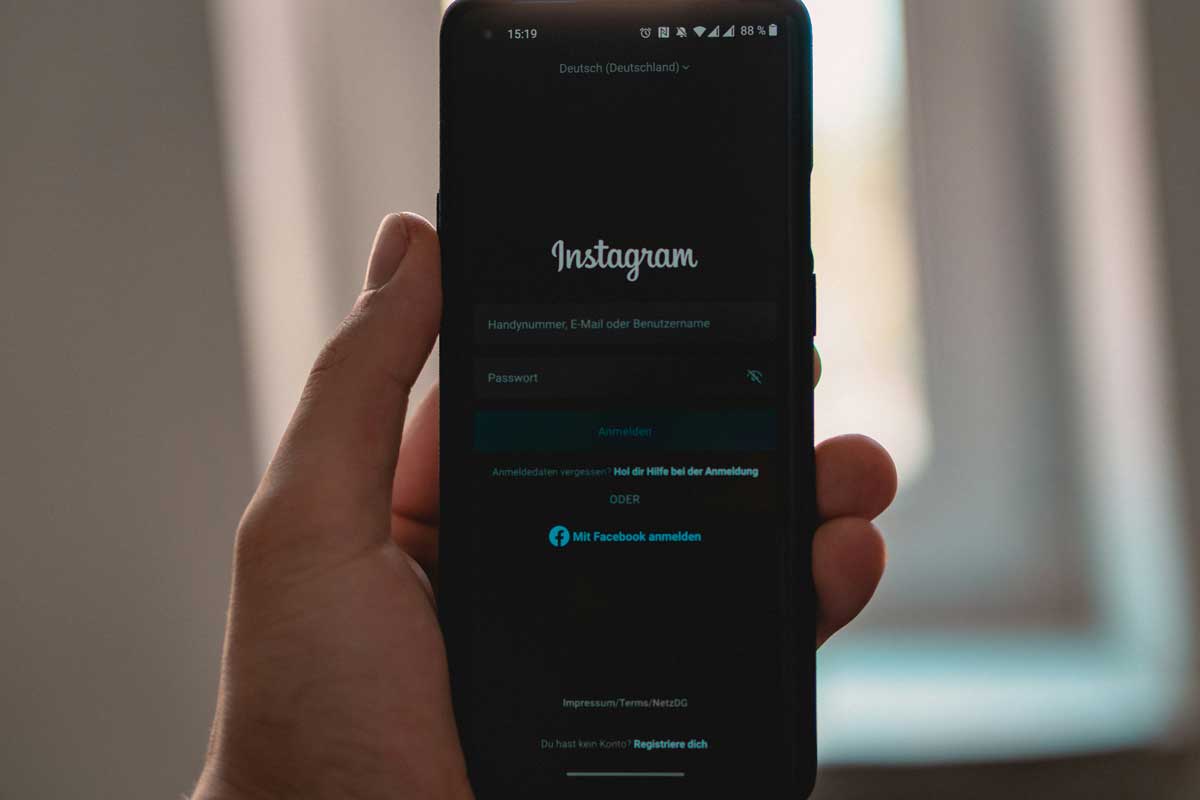
 Photo by Cedrik Wesche on Unsplash
Instagram growth is often described in marketing language, yet executive teams evaluate it differently. Founders and CMOs focus on repeatability, cost structure, and alignment with revenue goals. When growth depends on manual outreach or irregular campaign pushes, it becomes difficult to forecast. That uncertainty weakens its place in operational planning. Tools available here increasingly appear in leadership discussions as structural components rather than short term accelerators.
Plixi positions itself as an AI powered Instagram growth service designed to help users gain real followers through automated audience targeting. For decision makers, the practical question is how that targeting integrates into workflows and reporting cycles. The shift from marketing experiment to managed process changes how Instagram is evaluated at the executive level.
When Instagram expansion is handled manually, output depends heavily on individual effort. Team members follow accounts, engage with posts, and monitor competitor communities. Performance fluctuates based on consistency and available time. Over several quarters, that variability creates reporting challenges and unclear accountability structures.
Operations strategy begins with inputs that can be defined and adjusted. In Instagram growth, those inputs include targeting criteria, monitoring cadence, and evaluation benchmarks. Plixi allows users to configure targeting around interests and competitor audiences that reflect business priorities. That configuration becomes a measurable lever within weekly or monthly reviews.
Once parameters are established, growth activity continues without requiring constant manual interaction. Teams shift from executing repetitive tasks to supervising performance. This reduces dependence on individual motivation cycles and increases process stability.
Leadership can then assess growth through structured metrics rather than anecdotal updates. Adjustments are made deliberately based on data patterns. Over time, Instagram becomes integrated into operational dashboards instead of remaining an isolated channel.
Content production and audience acquisition demand different forms of attention. Creative teams require space to experiment with messaging, positioning, and visual direction. Acquisition workflows require scale and consistency. When both functions overlap, internal friction often appears.
Automated targeting allows clearer role definition. Creative leads focus on storytelling and brand identity. Growth managers evaluate follower trends and refine audience parameters. This separation strengthens accountability and reduces operational confusion.
Time distribution is one key area of focus in operational planning. Compared to other tasks, a manual outreach method will take up a large number of hours and not allow for enough time to conduct analytics or pursue revenue generating initiatives. As portfolios continue to grow, the increasing demands from potential accounts will become much greater as well; therefore, hiring will typically occur along with new follower targets without having made any structural changes first.
Connecting this equation to Plixi, they automate part of the process of acquiring new users. Instead of executing daily engage efforts, teams set up criteria for engaging new accounts and monitoring results. By not having to execute these daily tasks, the internal workload is evenly shifted.
Consider a marketing team managing multiple Instagram accounts. If each account requires ten to fifteen hours of outreach per week, cumulative monthly costs escalate quickly. Redirecting part of that effort toward strategic planning or conversion analysis shifts output quality.
Teams frequently observe improvements such as:
These operational shifts influence productivity and long term morale.
Agencies and startups frequently undergo a common scale path. Each new customer translates to marginal increases in labour hours, followed by increased payroll level with an expanding portfolio which constrains margins.
Whereas automated targeting can be leveraged, Plixi’s ability to create workflows that span across accounts removes the need for duplicated manual execution. While there still needs to be oversight of the process, businesses no longer need to have the same number of hires at the baseline acquisition level. This clarification will help with a healthier financial plan for businesses.
More consistent growth inputs will result in more accurate quarterly projections. When a campaign is utilized, spikes in activity will make forecasting even more difficult. A properly configured targeting layer will give us better consistency with our acquisition baseline.
Even though organic growth always has some variability associated with it, proper configuration reduces variability by adding structure to the acquisition process. The growth of Instagram will become part of disciplined budget discussions rather than being viewed as an expense that will always fluctuate.
Follower growth gains relevance when connected to measurable business outcomes. Audience relevance and alignment with target markets determine long term value. An operations approach links Instagram expansion to these objectives.
Businesses can create a targeting strategy based on their interests in an industry or their competitors and establish their priorities. Ecommerce brands can align their audiences with the products they sell and B2B companies can identify audiences that match the types of partners they want to connect with. In essence, reconfiguring a business’ audience from general exposure to one that focuses specifically on growth through strategic positioning.
Over time, leaders can evaluate follower trends to see how they relate to overall website sessions, inquiries received, or purchasing activity. This type of collaboration across business functions further improves the relationship between the marketing and finance functions of an organization as the discussion will include metrics that show how growth is built into performance.
Operational systems require recurring evaluation. Plixi provides analytics that allow teams to monitor follower growth patterns and engagement changes over time. When trends diverge from expectations, targeting parameters can be refined systematically. This reinforces accountability across departments.
Embedding Instagram growth into operations also influences internal dynamics. Teams rely less on reactive outreach pushes and more on scheduled review cycles. Creative capacity expands because repetitive acquisition tasks are reduced. For founders, CMOs, and growth leads, this reframes Instagram growth as a managed operational function integrated with planning, budgeting, and long term performance oversight.


Discover our other works at the following sites:
Danetsoft is a global web agency headquartered in Indonesia, specializing in web development, managed hosting, and web publishing platform.


 [email protected]
 Magelang, Central Java
 © 2026 Danetsoft. Powered by HTMLy