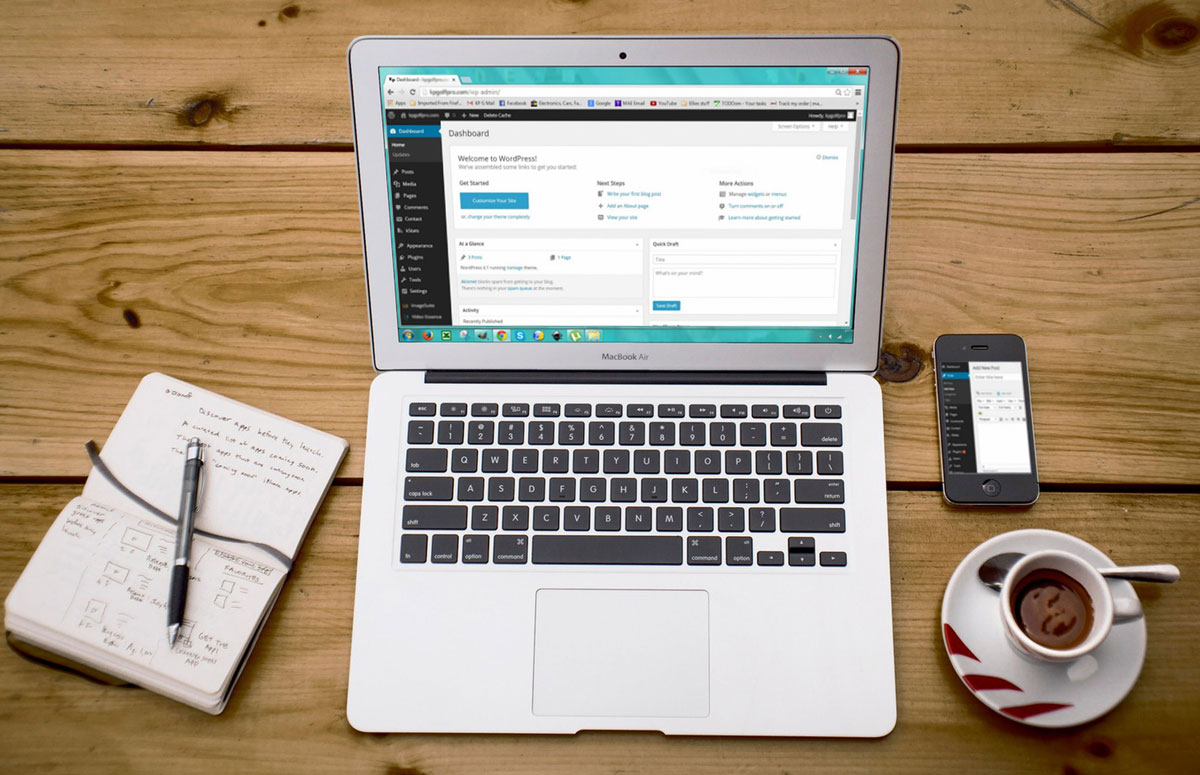
 Photo by Pixabay on Pexels
Content used to have a simple job. We wrote it, placed it on a webpage, and hoped people would find it there. That model worked when the website was the center of everything. Today, that is no longer true. People discover brands on phones, apps, kiosks, smart devices, and connected platforms that did not exist a few years ago. Content has to travel farther, adapt faster, and stay consistent everywhere it appears.
That is where a headless CMS comes in.
A headless CMS gives us a way to manage content separately from the design and layout that people see. Instead of locking content into a single website theme or page template, we keep it in one central system and send it wherever it needs to go through APIs. This sounds technical on the surface, but the real value is simple, we get more control over how content is used, reused, and delivered.
In this article, we will break down what a headless CMS is, why it matters, where it helps most, and what tradeoffs we should keep in mind before adopting one.
A headless CMS is a content management system that stores and organizes content without being tied to the visual front end.
In a traditional CMS, the content editor and the website design are usually connected. We create a page, choose a template, publish it, and the system handles both the information and the display. That works well for many websites, especially simpler ones.
A headless CMS changes the structure. The CMS manages the content, but not the presentation layer. The “head” refers to the front end, the part users interact with. When that head is separated, the CMS becomes a content engine rather than a page builder.
This difference matters because content is no longer limited to one destination. A product description, a blog post, a campaign message, or a support article can power several experiences at once. We can use the same source of content in a website, app, digital sign, or any other interface we build.
That flexibility is the main reason headless architecture has gained so much attention.
The popularity of headless CMS is not just the result of trend-chasing. It comes from real needs that content teams and developers face every day.
The old model assumed one website was enough. That idea no longer fits how people interact with brands. Someone might read a product overview on a desktop site, check pricing in a mobile app, receive follow-up information by email, and later see related content on a kiosk or in-store display.
If every channel needs its own version of the same message, content quickly becomes hard to manage. Teams end up copying, rewriting, and updating the same information in multiple places. That creates inconsistency and wastes time.
A headless CMS gives us one source of truth. We write content once, store it centrally, and distribute it to many channels. That makes updates easier and reduces the risk of conflicting versions.
Modern development moves quickly. Teams want to use frameworks and tools that support performance, component-based design, and better user experiences. Traditional CMS platforms can sometimes make that difficult if they depend heavily on built-in themes or rigid page structures.
With a headless CMS, developers have more freedom. They can build the front end using the stack that suits the project, whether that is React, Vue, Next.js, or another framework. The CMS stays focused on content, while the front end handles design and interaction.
This separation helps us build faster and adapt more easily when project requirements change.
Content duplication causes problems. It increases maintenance, creates inconsistencies, and makes localization harder. If a headline or product detail has to be entered repeatedly in different systems, errors become more likely.
Headless CMS platforms support reusable content models. Instead of treating content as one giant page, we break it into meaningful pieces, such as titles, descriptions, authors, metadata, featured images, or calls to action. Those pieces can then be reused across pages and platforms.
That approach saves time and makes content operations much easier to scale.
At a high level, the architecture is straightforward.
A headless CMS stores content in structured fields rather than in a single fixed page layout. For example, an article might include:
This structure gives us much more flexibility. We are not trapped inside one visual layout. Instead, we can use the same content in different contexts and format it however each channel needs.
The CMS does not display the content itself. Instead, it provides the content through APIs, which act like a delivery system between the content repository and the front end.
When a site or app needs something, it makes a request to the CMS. The CMS responds with the requested content in a format the application can read and display. The same content can be requested by multiple systems and shown in different ways.
This is what makes headless systems so adaptable. The CMS stores the content, and the front end decides how to present it.
Because presentation is not tied to the CMS, design changes become easier to manage. We can redesign a website, launch a mobile app, or build a new interface without rewriting the content system from scratch.
That separation also helps reduce lock-in. We are not forced to depend on one theme, template engine, or visual framework.
Headless CMS is popular because it solves practical problems, not because it sounds modern.
The biggest advantage is simple, one central content repository can feed multiple channels. That makes it much easier to stay consistent across web, mobile, email, and other digital touchpoints.
When content is structured into smaller parts, we can use it again without rewriting it. That reduces repetitive work and keeps messaging aligned. It is especially helpful for product details, regional content, help articles, and campaign assets.
Developers can choose modern tools instead of being constrained by a CMS theme or plugin system. That gives us more room to improve speed, user experience, and accessibility.
If we want to support multiple channels at once, headless CMS fits naturally. We do not need separate systems for each platform. We can manage the content in one place and deliver it everywhere.
As content libraries grow, traditional systems can become harder to maintain. Headless architecture scales more cleanly because the content is organized and reusable. That makes it easier to add new channels, new markets, or new experiences without rebuilding everything.
Headless CMS is powerful, but it is not effortless. There are tradeoffs, and we should understand them before committing.
A traditional CMS often feels faster to launch because it bundles the content tools and the presentation layer together. A headless CMS usually requires us to build or connect a front end, configure APIs, and plan the overall architecture.
That added setup can be a challenge for small teams or organizations without strong technical support.
In many traditional CMS platforms, editors can see content in a close-to-final layout while they work. That can make publishing feel intuitive.
A headless CMS does not naturally provide that same experience because it separates content from design. Some platforms offer preview tools or visual editing features, but those usually need extra configuration.
The way we structure content has a huge impact on how easy the system is to use later. If the content model is too rigid, too vague, or too complicated, the CMS becomes frustrating instead of helpful.
We need to think carefully about how content types relate to one another, which fields belong where, and how content will be reused across channels. Good planning at the beginning saves a lot of trouble later.
Even if headless CMS saves time in the long run, the starting investment can be higher. Development, integration, planning, and team training all take effort.
For that reason, headless works best when we need the flexibility it provides. If our needs are simple, the extra investment may not be necessary.
Choosing between the two depends on what we are building and how much complexity we need to support.
Traditional CMS platforms combine content management and design in one place. They are often easier for smaller teams, marketing sites, and projects that do not require multiple delivery channels.
They work well when we want:
Headless CMS is a better match when content needs to live in several places. It supports structured content, custom front ends, and distribution across different platforms.
It works well when we need:
There is no universal winner. A small business site may not need the complexity of headless architecture. A larger brand with a website, app, support portal, and retail screens may need exactly that flexibility.
The best choice is the one that fits the content strategy, not the one that sounds most advanced.
Many industries are now using headless CMS because their content has to move quickly and appear in many places.
Retailers often manage product pages, promotions, collections, and campaign content across multiple touchpoints. A headless CMS helps keep product information consistent while supporting web, app, and campaign experiences.
Publishers need fast updates, strong structure, and broad distribution. They often push stories to websites, apps, newsletters, and syndication channels. A headless system gives them better control over content flow.
These businesses deal with changing information, including offers, schedules, availability, and location-specific details. Headless CMS helps them keep content synchronized across booking platforms, mobile apps, and customer-facing displays.
Large organizations usually have many teams publishing for different audiences and regions. Headless CMS supports governance while still giving teams room to create channel-specific experiences.
One of the most important parts of headless CMS is also one of the easiest to overlook, content modeling.
Instead of thinking only in pages, we need to think in content types, relationships, and reusable structures. That means deciding what each content item contains, how it connects to other items, and where it can be used.
For example, a product page may include:
When this content is modeled well, it becomes easy to update and reuse. If we change one piece of information, it can flow through all connected experiences automatically.
Good content modeling helps us stay organized as content grows. Poor modeling creates confusion, duplication, and maintenance headaches.
The move toward headless architecture reflects a broader shift in digital strategy. Content is becoming a shared asset rather than something tied to a single website page.
That shift opens up new possibilities.
When content is centralized and structured, it can power marketing, commerce, support, apps, and internal tools. It becomes part of the organization’s digital infrastructure.
With more channels and more audience data, brands can tailor content more effectively. Headless CMS makes it easier to deliver the right information in the right format at the right time.
Headless systems work well with other tools, including analytics, commerce platforms, automation systems, and AI-assisted workflows. That makes them a strong foundation for connected digital ecosystems.
Headless CMS is not just a technical trend, it is a response to how content now works across modern digital experiences. We no longer publish for one website and stop there. We publish for websites, apps, devices, and systems that all need consistent, reusable content.
By separating content from presentation, headless CMS gives us flexibility, better reuse, and a stronger foundation for growth. It does ask for more planning and more technical setup, so it is not the easiest option in every case. But for teams that need to manage content across multiple channels, it can be a very smart move.
The internet is no longer a single destination. Content has to move with people wherever they go, and that is exactly why headless CMS has become such an important part of modern content strategy.


Discover our other works at the following sites:
Danetsoft is a global web agency headquartered in Indonesia, specializing in web development, managed hosting, and web publishing platform.


 [email protected]
 Magelang, Central Java
 © 2026 Danetsoft. Powered by HTMLy