Traditional loyalty programs based solely on transactions are gradually losing their effectiveness in a world oversaturated with similar offers. Consumers in the USA increasingly ignore classic “buy and get a point” schemes, preferring brands that value their time and attention regardless of the check amount. In this article, we will tell you about the transition to event-driven reward architecture that allows building a deep emotional connection with the audience in real time.
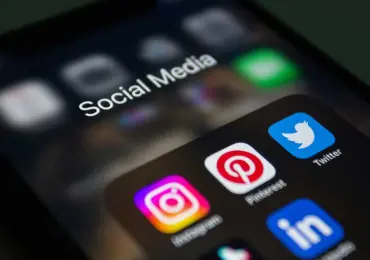
 Photo by Cytonn Photography on Unsplash
Standard customer retention mechanics often look too pragmatic and lack sincere engagement, which is especially noticeable in highly competitive digital retail niches. When the only trigger for interaction is payment for a product, companies miss thousands of intermediate touchpoints that can form true brand attachment. Modern systems must encourage any useful user actions, because long-term loyalty is built from such micro-moments.
Shifting the focus from the check to user experience requires implementing a flexible loyalty program API capable of instantly processing non-financial events. That is why leading market players in the USA actively invest in technologies that allow rewards for registration, profile completion, or even simply opening the mobile app. This approach turns the routine process of accumulating points into an exciting journey where every user step finds a response from the brand.
To implement an engagement strategy, companies need to abandon monolithic structures in favor of modular solutions focused on processing streaming data. Using a modern loyalty program API allows marketing teams to configure complex trigger chains without long waits for help from the IT department. At the same time, the highest system response speed is ensured when a notification about an awarded bonus arrives on the client’s phone immediately after performing the target action.
Event-driven architecture makes it possible to integrate reward functions into almost any digital interface. It is worth remembering that an excess of notifications can cause the opposite reaction, so the logic setup must be as precise and contextual as possible. The implemented tool must be able to distinguish types of activity and offer the most relevant rewards, thereby motivating the user for further interaction with the brand ecosystem.
An effective engagement strategy is built on understanding which user actions bring the company the maximum long-term benefit. Here are several critically important categories of events that are becoming standard for advanced loyalty systems today:
Each of these actions is an indicator of trust and the client’s willingness to spend their time communicating with the company. Rewarding such activities significantly reduces the risk of user churn because they feel valued by the business. Such a model of work requires constant monitoring and quick adjustment of the rules, but modern cloud platforms fully cover this need.
Constant use of the brand’s digital products forms a habit that is valued much higher than a one-time large purchase. It is recommended to encourage regular logins to the system, viewing new collections, or saving products to the favorites list. This allows creating a dense engagement cycle where the user constantly receives small but pleasant bonuses for their activity.
Turning a loyal customer into an active brand advocate is one of the most difficult tasks of modern marketing. The system must automatically recognize mentions on social networks or recommendations to friends through referral links. Integrated into the user’s social context, such loyalty programs spread organically, attracting a new, quality audience with minimal advertising costs.
The transition to rewarding engagement requires a revision of key performance indicators, as the direct link to sales may not be immediately visible. It is also important to consider the cost of each individual event so that the program remains economically viable for the company. In other words, we need to compare the costs of rewarding activity with the potential growth of customer lifetime value.
To evaluate the effectiveness of such solutions, it is useful to study the following metrics:
| Engagement metric | Tracking mechanism | Business impact |
|---|---|---|
| Active user frequency | Real-time session triggers | Increases brand recall |
| Social share rate | Webhook integrations | Lowers acquisition costs |
| Profile completion | API data sync | Enables hyper-personalization |
| Content contribution | Manual or AI moderation | Builds community trust |
| Referral conversion | Unique link tracking | High-quality lead generation |
| Feature adoption | Product analytics events | Reduces churn rate |
| Gamification progress | Logic-based badges | Boosts emotional loyalty |
Collecting and analyzing this data in real time allows brands to adjust their offers in time, making them more valuable for the audience. In turn, this leads to a significant increase in operating profit due to the higher loyalty of the most active part of the customer base. Despite the technical complexity of the initial setup, the benefits of implementing an event-driven approach are obvious for any scalable business in the USA.
The future of customer retention systems lies in the area of instant reaction to any manifestation of user interest. Moving away from a purely transactional model in favor of rewarding engagement allows brands to reach a new level of trust and predictability. Implementing the right technological tools becomes key to ensuring that your loyalty program is not just a line in the budget, but a powerful engine of growth.


Discover our other works at the following sites:
Danetsoft is a global web agency headquartered in Indonesia, specializing in web development, managed hosting, and web publishing platform.


 [email protected]
 Magelang, Central Java
 © 2026 Danetsoft. Powered by HTMLy